Top 5 Benefits of Using a Modular Power Wall for Your Home Energy Needs
As energy demands rise, many homeowners seek efficient solutions. The Modular Power Wall offers a promising alternative. According to the U.S. Department of Energy, homes with energy storage systems can reduce electricity costs by up to 30%. This technology provides flexible energy management, allowing users to store excess power for later use.
Moreover, adopting a Modular Power Wall can enhance grid resilience. A report from the International Renewable Energy Agency highlights that decentralized energy systems can improve energy security. These systems give homeowners control over their energy consumption, especially during peak demand hours. However, implementing a Modular Power Wall may require an initial investment that some find daunting.
Yet, the long-term benefits often outweigh these concerns. For instance, the ability to harness solar energy and reduce reliance on the grid is significant. As this technology evolves, exploring the constraints and opportunities it presents will be essential for optimizing home energy needs.
Understanding Modular Power Walls and Their Functionality
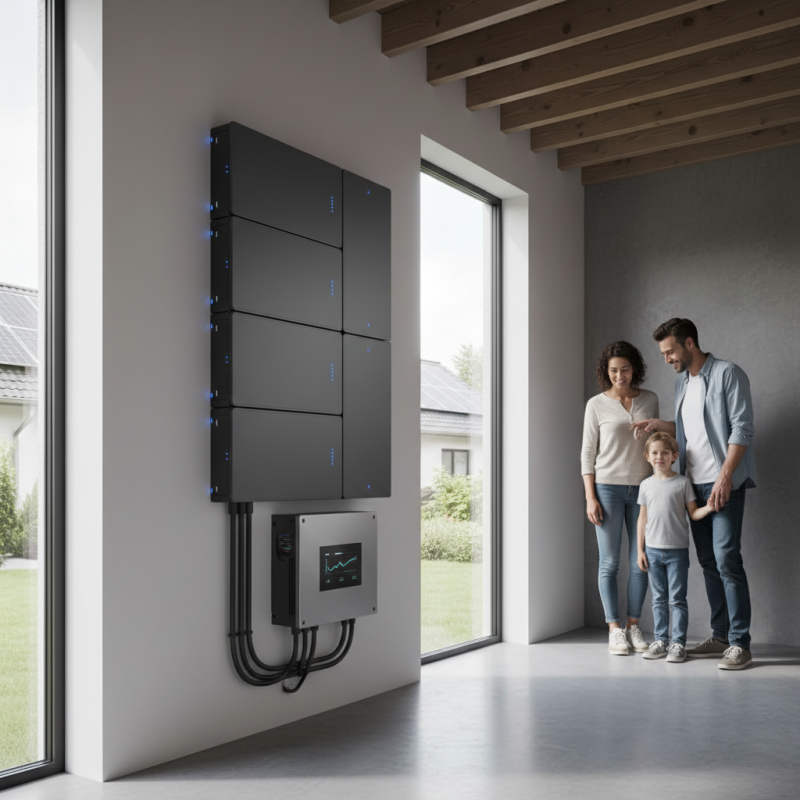
Modular power walls are a breakthrough in home energy management. These systems allow homeowners to store energy from solar panels or the grid. Imagine using energy when you need it most, such as during peak hours when prices soar. With modular units, you can expand your storage as your energy needs grow.
They work by collecting excess energy and keeping it for later use. This flexibility means you aren’t limited by a single, large installation. You can add or remove units based on your household's changing demands. Sometimes, though, it can be challenging to gauge how much energy you truly need. Overestimating can lead to unnecessary costs.
Moreover, installation can be tricky. Homeowners need to ensure their electrical systems are compatible. If not, compromises may arise during setup. It’s vital to fully understand your current energy consumption before making the leap. Just having a modular power wall doesn’t guarantee energy savings; careful planning is essential.
Top 5 Benefits of Using a Modular Power Wall for Your Home Energy Needs
Cost-Effectiveness of Modular Power Walls for Homeowners
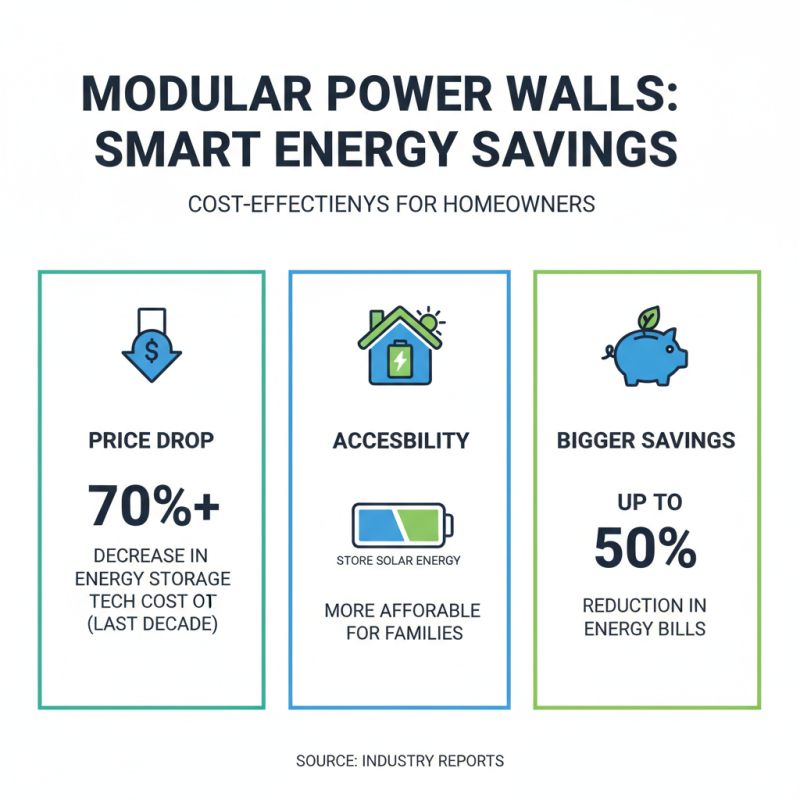
The cost-effectiveness of modular power walls is becoming a hot topic among homeowners. According to recent industry reports, energy storage technology has dropped by over 70% in the past decade. This significant decrease has made modular power walls more accessible for average families. Homeowners can now store excess solar energy for later use, leading to reduced energy bills. In many cases, savings can reach up to 50%.
Many homeowners struggle with upfront costs. However, the return on investment can be impressive. A study by the National Renewable Energy Laboratory suggests that a well-implemented modular system can pay for itself within five to seven years. This means that, over a 25-year lifespan, homeowners could save thousands of dollars on utility costs.
Modular systems offer unique flexibility. Homeowners can start small and expand as needed. This gradual investment is appealing to many. However, it's essential to consider installation costs and potential maintenance. Energy storage still involves some challenges. Storage capacity and efficiency can vary. Not every home is ideal for this system. Understanding these factors is crucial for making informed decisions.
Enhancing Energy Independence with Modular Power Walls
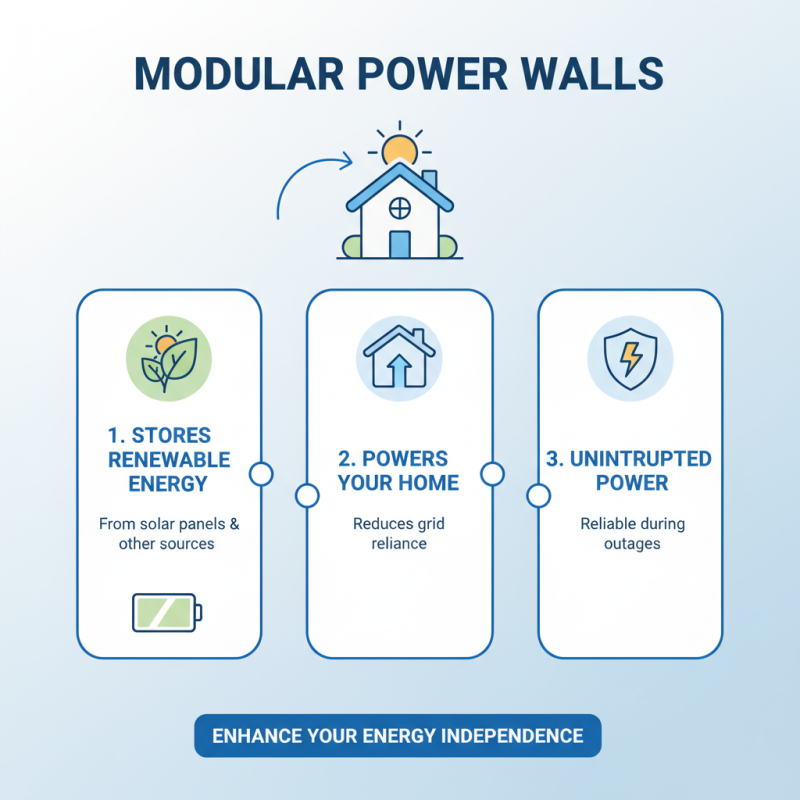
Modular power walls provide a unique solution for enhancing energy independence at home. They store energy generated from renewable sources, such as solar panels. This stored energy can power your home, reducing reliance on the grid. Imagine the ability to run your appliances even during power outages. It’s empowering to know you have a reliable energy source.
Having a modular design means these systems can expand as your needs change. You can start with a small unit and add more as your energy consumption grows. This flexibility allows homeowners to adapt easily. However, realizing the initial installation costs can be daunting. Some may hesitate to invest, unsure if they will fully utilize the benefits.
Moreover, energy efficiency is not always guaranteed. Improper installation can lead to performance issues. Periodic maintenance is necessary to ensure optimal operation. Homeowners need to be proactive. It’s important to stay informed about the latest advancements in energy storage technology. Embracing this shift towards self-sufficiency brings challenges, but it also opens doors to a more sustainable future.
Environmental Benefits of Choosing a Modular Power Wall
The environmental benefits of using a modular power wall are notable. Modular power walls store renewable energy efficiently. They can significantly reduce greenhouse gas emissions. According to a report by the International Energy Agency, renewable energy sources can help cut global emissions by 70% by 2050. Homeowners can play a crucial role in this transition.
Modular power walls facilitate the use of solar energy. They allow you to store excess energy generated during sunny days. This stored energy is used at night, reducing reliance on fossil fuels. A study by the National Renewable Energy Laboratory indicates that using home energy storage can lead to a 40% decrease in fossil fuel consumption for residential energy.
Additionally, modular power storage contributes to grid stability. As more homes adopt this technology, it can help balance energy demand. However, challenges exist. Not everyone can afford the setup. The cost of installation remains a concern for many households. The environmental impact is clear, but accessibility needs addressing.
Scalability and Customization of Modular Power Wall Systems
Modular power wall systems offer exceptional scalability and customization. Homeowners can start small and expand as needed. This adaptability fits various energy needs and budgets. For instance, a report from the International Renewable Energy Agency notes that energy storage installations grew by over 30% annually from 2017 to 2022. This trend speaks to the demand for flexible energy solutions.
Investing in a modular system allows homeowners to tailor energy outputs. Modules can be added or removed based on energy consumption patterns. A study published by Navigant Research revealed that 70% of homeowners prioritize customizable options. Such systems support different renewable sources like solar or wind. They can also help manage peak loads effectively.
However, challenges exist. Not all modular systems integrate seamlessly with existing infrastructure. Additionally, some homeowners might struggle with sizing the initial modules correctly. Miscalculations could lead to inadequate energy supply. It's essential to carefully evaluate energy requirements before committing to a modular setup. That way, future needs can be met without unnecessary expenses.

 Mobile Generator