How to Choose the Best Portable EV Station for Your Needs?
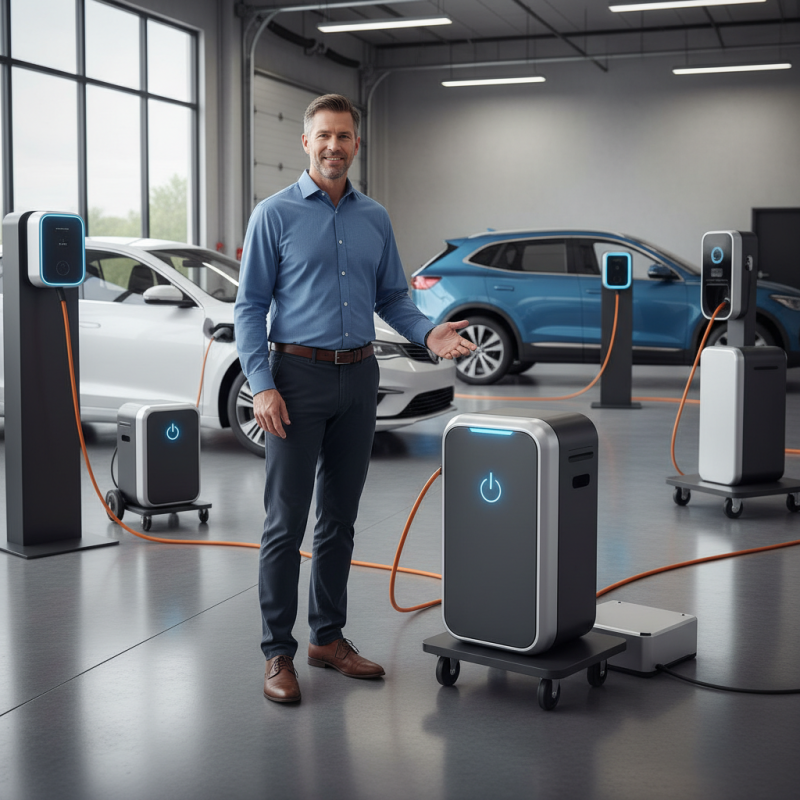
When considering a Portable EV Station, it's crucial to make an informed choice. As John Smith, a leading expert in electric vehicle infrastructure, emphasizes, "Choosing the right station depends on your specific needs." This highlights the importance of understanding personal requirements.
The market offers various portable charging solutions tailored to different lifestyles. Some prioritize speed, while others focus on portability. Factors such as battery capacity and charging speed play key roles in decision-making. It’s essential to reflect on how often you'll use it and where you'll charge your EV.
While many options exist, potential buyers must be cautious. Not all portable EV stations are compatible with every vehicle. Research is key. Failing to choose the correct one could lead to frustration. Therefore, it's advisable to consult experts and read user reviews to find the best fit for your electrical vehicle needs.
Understanding Your EV Charging Needs and Options
Understanding your electric vehicle (EV) charging needs is crucial when selecting a portable EV station. Consider your daily commuting distance. This will help you determine the necessary charging speed. Some people only need to charge at home overnight. Others may require a powerful solution for longer trips. Analyze your travel habits to inform your decision.
Next, assess your available charging options. Different EV stations offer varying power outputs. A higher output can save you time, but it may not be necessary for everyone's needs. Think about where you plan to use the charger. Do you need it for road trips, or will it mainly be for home use? These factors play a significant role in guiding your choice.
Lastly, consider the cords and connections. Not all EVs use the same plug type. It’s vital to ensure compatibility with your vehicle. What if you purchase a new EV later? Flexibility can be essential. Choosing a portable station that accommodates different vehicles can save future hassles. Reflect on these aspects to make an informed decision when selecting your portable EV station.
Evaluating Power Output and Charging Speed for Portability
When selecting a portable EV station, evaluating power output and charging speed is crucial. A high power output, typically measured in kilowatts (kW), directly affects how quickly your vehicle charges. For regular users, 3.7 kW can be sufficient. However, if you often travel long distances, opting for 7 kW or higher can significantly reduce charging time. Some users have reported frustration with low-output chargers that leave them waiting longer than expected.
Charging speed also varies with different EV models. Each vehicle has its own acceptance rate for power input. It's essential to understand your car's compatibility. For example, while some models can take full advantage of higher power outputs, others may not. This mismatch can lead to disappointment, especially during road trips. Consider daily electricity consumption and plan accordingly.
Additionally, portability matters. A charging station that is cumbersome to transport defeats its purpose. Look for lightweight, compact designs that facilitate easy setup in various locations. Keep in mind that an efficient power output may come with a larger size or weight. While performance is key, balancing ease of use and functionality requires thoughtful consideration. It’s essential to reflect on how frequently you will use the device and under what conditions.
Charging Speed Comparison of Portable EV Stations
This bar chart illustrates the charging speeds of various portable EV stations. As seen, Station E offers the highest charging speed at 50 kW, indicating it can charge EVs much faster compared to other stations, thereby enhancing portability and efficiency for users.
Portability Features: Weight, Size, and Cord Length Considerations
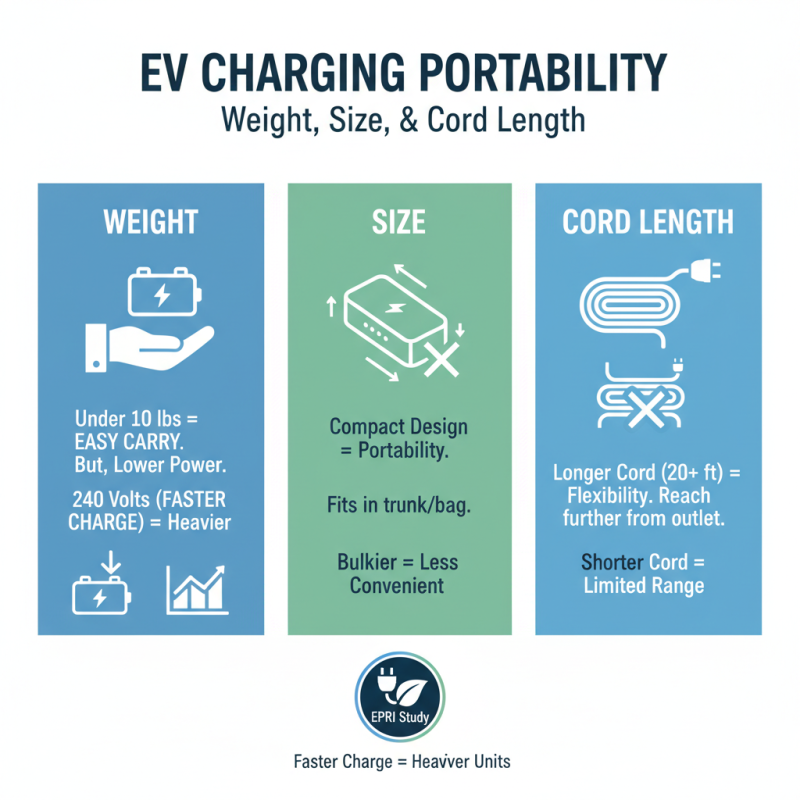
When selecting a portable EV charging station, portability features are crucial. Weight plays a significant role in how easy it is to carry. Many consumers prefer units weighing under 10 pounds for effortless transport. However, lighter models may compromise on power output. A study by the Electric Power Research Institute reveals that stations offering 240 volts provide faster charging, but often at a higher weight.
Size is also vital. Compact charging stations are easier to store and transport. Look for models with dimensions that fit comfortably in your trunk or garage. Some stations even come with adjustable grips, enhancing portability while making setup simpler. A glance at market reports shows that consumer preferences lean towards devices no longer than 14 inches in length.
Cord length is another consideration. A longer cord allows flexibility when locating the charging unit. Many customers find 20-foot cords ideal, offering convenience without being unwieldy. However, longer cords can lead to more wear and tear.
Tip: Always consider your daily usage. If you're usually charging at home, size may matter less than when you're on the road. Risk of tripping or tangling cables can also occur with longer cords, so think carefully about your environment.
Compatibility with Different Electric Vehicle Models
Choosing a portable EV station requires understanding compatibility with various electric vehicle models. Not all stations support every vehicle brand. This is crucial to ensure charging efficiency.
Check the specifications of your vehicle. Some models may need specific connectors for optimal performance. Research the types of plugs required by your EV. It’s not enough to look at the wattage; it's about how well the station can communicate with your vehicle.
Tips: Always verify user reviews for the portable EV stations you consider. Real-world experiences can reveal compatibility issues not listed in specifications. Additionally, ensure the station allows for software updates. This could enhance compatibility over time as new vehicles enter the market. Reflect on your plans—will you upgrade your EV soon? That may impact your choice of charging station.
Safety Features and Certifications to Look For in EV Stations
When selecting a portable EV station, safety should be a top priority. Look for devices that are UL listed or have similar certifications. This indicates they have met rigorous safety standards. A good station will also include features like surge protection and emergency shut-off. These elements help prevent electrical hazards. Users should consider the construction and material quality as well. Durable casing can resist environmental stress, which is vital for outdoor use.
It's essential to check for user reviews and expert recommendations. These sources can reveal how a product performs in real-world conditions. Take note of feedback regarding overheating or faulty connections. Also, be wary of stations lacking robust technical support. A reliable customer service team can aid when issues arise. Remember, poor safety features can compromise your vehicle and your well-being. Making informed choices is crucial before purchasing an EV charging station.

 Mobile Generator