How to Choose the Best String Inverter for Your Solar System?
Choosing the right String Inverter for your solar system is crucial. It can significantly affect your energy production and efficiency. With various options available, making an informed decision is essential for homeowners and businesses alike.
A String Inverter converts the direct current generated by solar panels into alternating current for use in your home. Factors like size, efficiency, and warranty must be considered. Choosing the wrong inverter may lead to higher energy costs or reduce system performance.
It's not just about picking any inverter. You need one that fits your specific needs. Local climate, installation space, and budget all come into play. Think carefully about the long-term implications. Ensuring your String Inverter aligns with your solar goals is vital for maximizing your investment.
Understanding String Inverters: Definition and Functionality
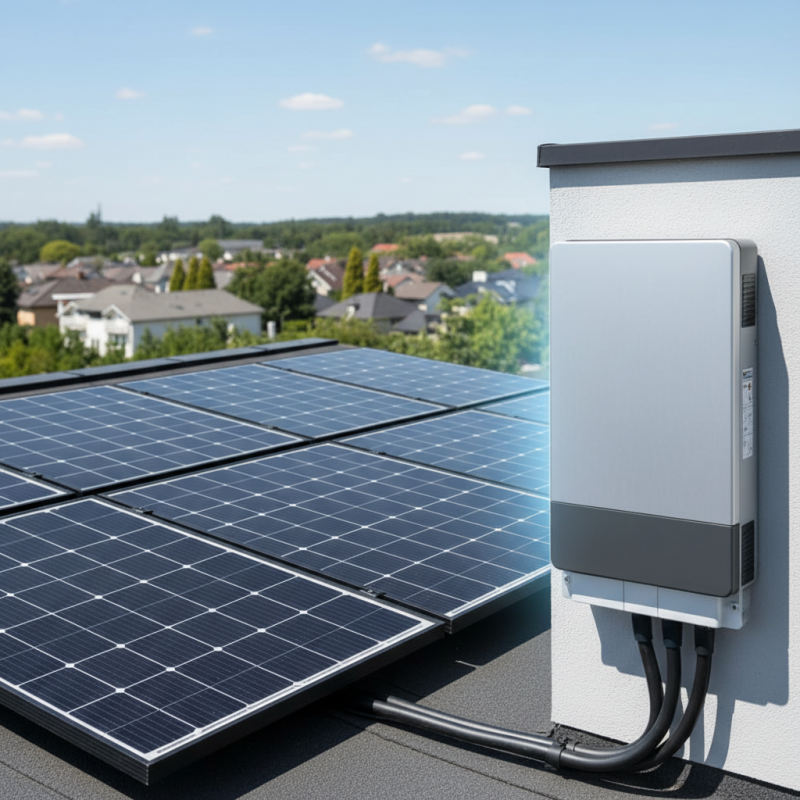
String inverters are essential components of solar energy systems. These devices convert the direct current (DC) generated by solar panels into alternating current (AC) for use in homes and businesses. The functionality of a string inverter is simple yet crucial. Typically, multiple solar panels are connected in a series, or "string," feeding energy into the inverter.
This setup has its pros and cons. On one hand, string inverters are often more affordable and easier to install than other inverter types. They work best in situations where sunlight exposure is uniform across all panels. However, any shade on a single panel can reduce the overall energy output significantly. This drawback highlights the importance of installation locations.
Understanding the specific needs of your solar system is vital. Factors like roof orientation and shading from trees or buildings must be considered. Evaluating your energy consumption patterns helps in choosing the right inverter. Sometimes, the costs of a more complex system might outweigh its benefits. Careful planning is essential for maximizing efficiency and performance. Each step taken should be reviewed to ensure that every detail supports your energy goals.
Solar Inverter Efficiency Comparison
Key Factors to Consider When Selecting a String Inverter
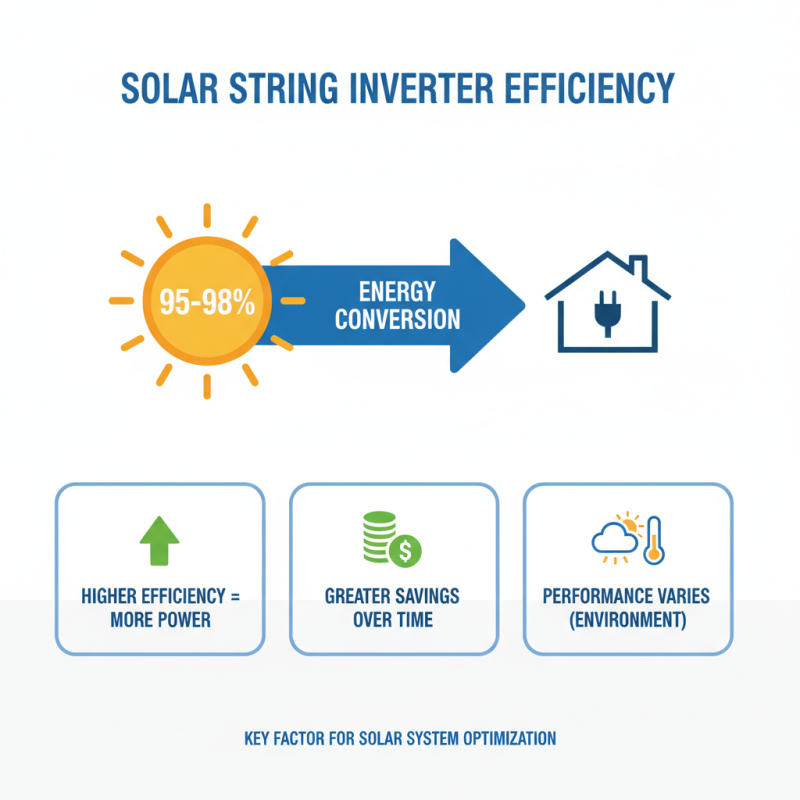
When selecting a string inverter for your solar system, efficiency is a major factor. A typical string inverter has an efficiency rating between 95% and 98%. Higher efficiency means more energy converted from sunlight into usable power. An inverter with higher ratings can generate more savings over time. However, remember that the rated performance can vary depending on environmental conditions.
Another key consideration is the inverter’s capacity. It should match the power output of your solar panels. Oversizing or undersizing could lead to energy losses. Ensure that the inverter can handle peak power generation, which is often higher than average daily output. Reports indicate that mismatching can reduce system efficiency by up to 20%. Also, examine the inverter's voltage range; a wider range allows for flexibility during installation.
Reliability is crucial in inverter selection too. String inverters generally last 5 to 10 years. Choosing one with a good warranty can safeguard your investment. Additionally, consider monitoring features. Real-time performance data helps identify issues quickly. A lack of monitoring can lead to unnoticed performance drops, which may require costly repairs. This reflects the importance of investing time in research to avoid future regrets.
Comparing String Inverters with Other Types of Inverters
When comparing string inverters with other types, it's essential to understand their strengths and weaknesses.
String inverters are often easier to install and maintain. They are cost-effective, making them a popular choice for many homeowners. However, they may struggle when panels are shaded or misaligned. This can lead to reduced efficiency.
Microinverters and power optimizers can address some of these issues. They operate at the individual panel level, allowing optimized performance even when some panels are underperforming. However, they generally come at a higher initial cost. This can be a significant factor for budget-conscious buyers.
Tip: Consider your roof's orientation and potential shading when making your choice. This can help you determine if a string inverter is right for your system. Pay attention to local conditions; they can affect solar panel performance. Always evaluate both immediate needs and future expectations. Plan for potential changes that may impact your system's efficiency.
Evaluating Efficiency Ratings and Performance Metrics
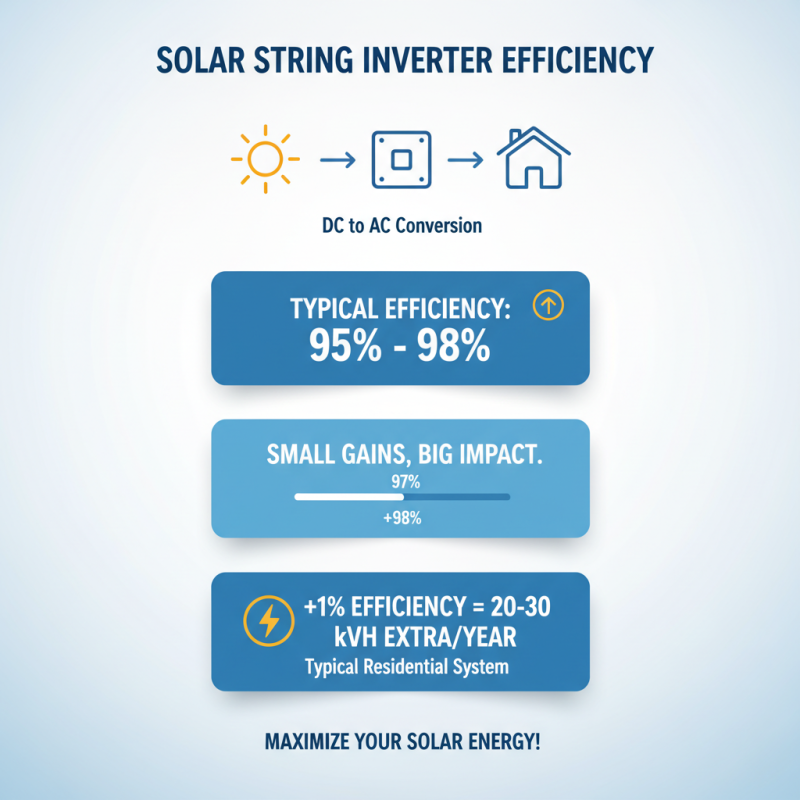
When evaluating string inverters for solar systems, efficiency ratings are crucial. A typical efficiency rating ranges from 95% to 98%. This percentage reflects how well the inverter converts DC electricity to AC. Even a small difference in efficiency impacts energy output significantly. For instance, a 1% increase in efficiency can lead to an extra 20 to 30 kWh generated per year for a residential solar system.
Performance metrics are also essential. These include temperature coefficient and maximum voltage ratings. The temperature coefficient indicates how efficiency decreases as temperatures rise. Inverters with a lower temperature coefficient perform better in hot climates. However, these metrics are often overlooked by buyers. Many focus solely on efficiency without considering how performance metrics might affect real-world energy production.
Consumers should be cautious. Not every high-efficiency inverter suits every scenario. The specific energy needs, installation environment, and budget constraints play vital roles. Sometimes, an inverter with lower efficiency but better performance metrics can yield better long-term results. Careful evaluation of these factors leads to more informed decisions, ensuring optimal energy production.
Installation and Maintenance Considerations for String Inverters
When choosing a string inverter, installation and maintenance are crucial factors. Proper installation directly affects the inverter's efficiency and longevity. Ensure you place the inverter in a shaded, sheltered area to prevent overheating. Ventilation is key; it should not be enclosed in a tight space. Use quality mounting hardware to secure it properly.
Regular maintenance of string inverters can prevent performance issues. Check for dust accumulation and moisture regularly. These can lead to corrosion over time. Inspect the electrical connections for any sign of wear or damage. A loose connection could significantly reduce the inverter's effectiveness.
It's important to foster a habit of routine checks, yet many overlook this aspect.
String inverters require some attention after installation. Some users might forget to periodically monitor their performance. Understanding the monitoring system can help identify problems early. Optimizing system performance is challenging without regular oversight, resulting in reduced energy output. An informed approach to both installation and maintenance can improve overall efficiency.

 Mobile Generator