How to Choose the Right String Inverter for Your Solar System?
Choosing the right String Inverter for your solar system can be challenging. It's a crucial component that impacts performance. With a multitude of options available, making the right decision is essential. A String Inverter converts solar energy into usable electricity, connecting multiple panels to a single unit.
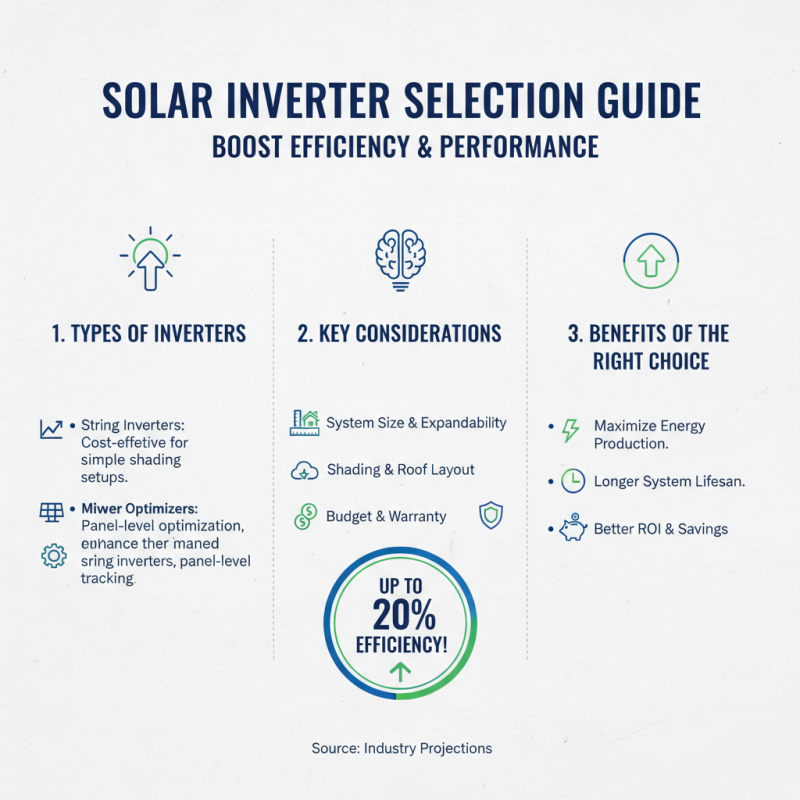
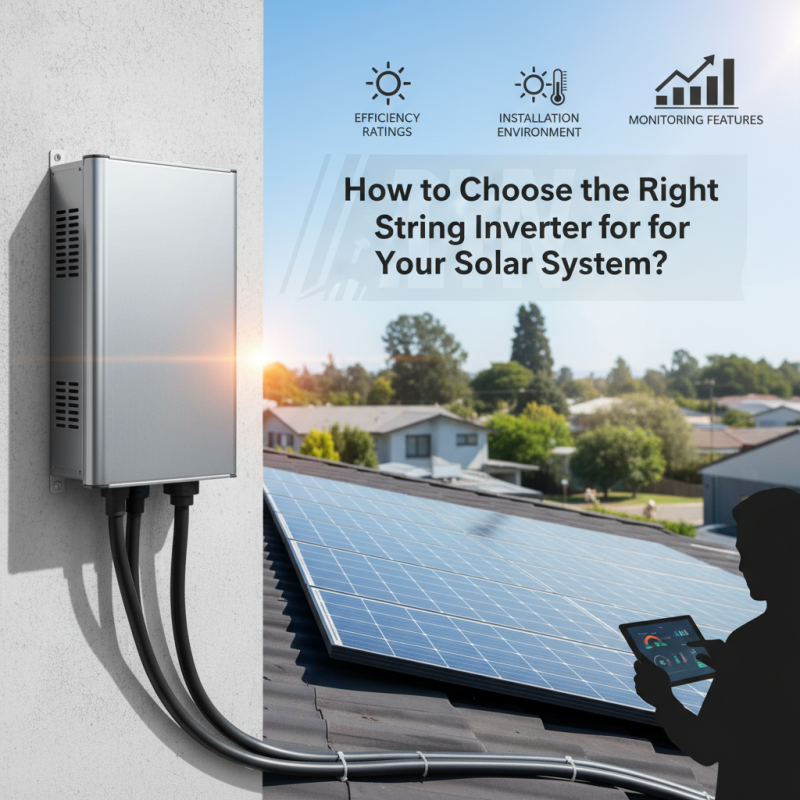
Consider the size of your system. The inverter must match your solar array’s capacity. Efficiency ratings matter too. Higher efficiency means more energy converted. But don’t be swayed solely by numbers. Some inverters may not perform well in shaded conditions.
Think about your installation environment. A String Inverter located in a hot area may overheat. This can reduce its lifespan. Some models lack monitoring features. Without monitoring, understanding performance issues becomes difficult. Investing in monitoring can enhance your overall experience. Ultimately, reflect on your unique needs before choosing a String Inverter. The best choice can maximize your solar investment.
Understanding String Inverters and Their Role in Solar Systems
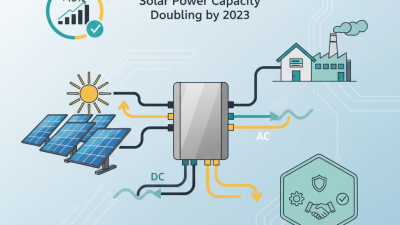
String inverters play a crucial role in solar systems. They convert the direct current (DC) generated by solar panels into usable alternating current (AC). This conversion allows homeowners to power their appliances and feed excess energy back into the grid. The efficiency of the inverter impacts the overall performance of the solar system. A well-chosen inverter maximizes energy production, while a poor choice can lead to lost savings.
When selecting a string inverter, consider the size of your solar array. The inverter must match the panel's capacity. An oversized inverter may result in wasted energy, while an undersized one might struggle to handle peak loads. Also, think about the layout of your solar panels. If they are shaded or oriented differently, micro-inverters or power optimizers might be a better fit. Inverters also come with various features like monitoring systems. Monitoring can provide insights into energy production, helping you understand system performance over time.
Choosing the right inverter requires careful consideration. There may be trade-offs between cost and performance. Budget limitations can lead to suboptimal choices. If the inverter fails to deliver, it could lead to regrets later. Energy production is essential, so it’s crucial to reflect on your options thoroughly. Make informed decisions to ensure your solar system operates efficiently and effectively.
Evaluating the Efficiency and Performance Ratings of Inverters
When selecting a string inverter for your solar system, evaluating efficiency and performance ratings is crucial. Inverters convert DC to AC power, impacting overall energy output. Reports indicate that high-efficiency inverters can exceed a rating of 98%, significantly enhancing energy yield. A lower efficiency can lead to energy losses, reducing your system's effectiveness.
Tips: Look for inverters with a higher European Efficiency rating. This metric is key in actual performance scenarios. Furthermore, consider the maximum power point tracking (MPPT) features. Advanced MPPT can optimize energy conversion under various conditions.
The size and design of the inverter also play roles. A mismatched inverter can underperform or even damage the solar panel array. It’s essential to assess your energy needs and the inverter's capacity meticulously. Some inverters may struggle in less-than-ideal conditions. Reflect on how these limitations might affect your home’s energy reliability. Choose wisely to ensure a reliable power source for years to come.
How to Choose the Right String Inverter for Your Solar System? - Evaluating the Efficiency and Performance Ratings of Inverters
| Inverter Model |
Efficiency Rating (%) |
Max Power Output (kW) |
Number of MPPTs |
Warranty (Years) |
| Model A |
98.0 |
5.0 |
2 |
10 |
| Model B |
97.5 |
6.0 |
2 |
12 |
| Model C |
98.5 |
4.5 |
1 |
5 |
| Model D |
97.0 |
3.0 |
2 |
8 |
Comparing Different Brands and Models of String Inverters
Choosing the right string inverter is crucial for solar system efficiency. Many brands offer a variety of models, which can make selection confusing. Consider their efficiency ratings, warranty periods, and unique features. Some models excel in energy conversion, while others are more user-friendly. Look for inverters that provide real-time monitoring. This keeps you informed about your system's performance.
When comparing different brands, pay attention to customer reviews. Feedback from real users is valuable. Some may mention installation issues or customer service experiences. These insights can help highlight potential problems. Don’t overlook the specifications, such as input voltage and maximum output. Every detail matters when optimizing your solar investment.
Tips: Check compatibility with your solar panels. Not all inverters work with every panel type. Look for models that can handle shading conditions. This is often overlooked but can significantly impact performance. Your choice should adapt to your unique situation.
Installation and Maintenance Tips for Optimal Inverter Performance
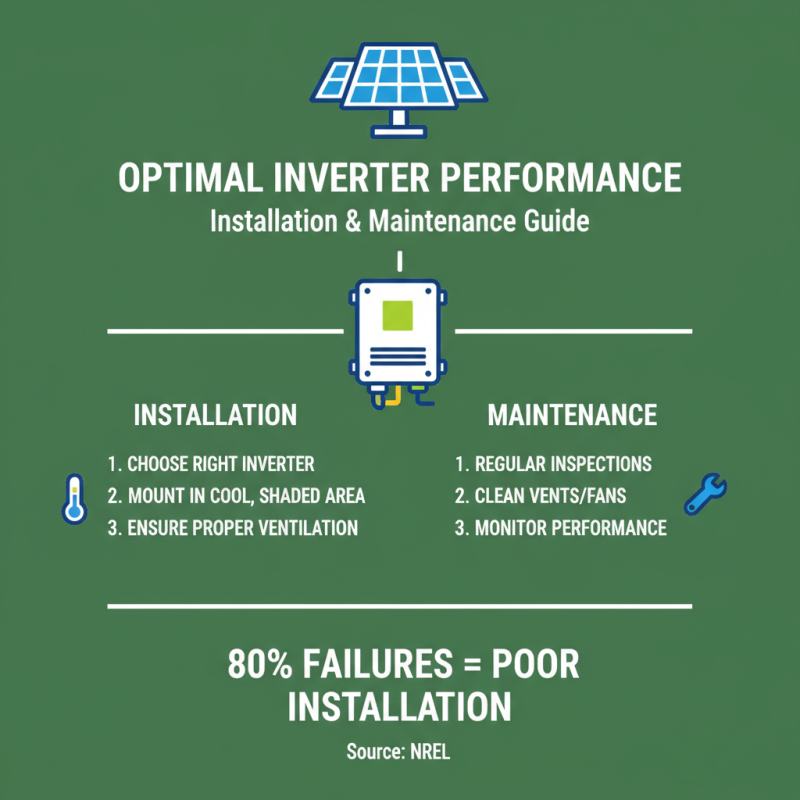
Choosing the right string inverter is essential for your solar system. However, installation and maintenance are equally important for ensuring optimal inverter performance. According to the National Renewable Energy Laboratory, nearly 80% of inverter failures result from poor installation practices. Properly mounting your inverter in a cool, shaded area can drastically improve its lifespan.
Regular maintenance is vital. The U.S. Department of Energy recommends checking connections at least twice a year. Loose wires can cause overheating and lead to failures. Cleaning the inverter's exterior can prevent dust accumulation. This simple task helps maintain efficiency levels, keeping the inverter performing at its best.
However, even with the best practices, not all installations are perfect. Inconsistent sunlight exposure can affect output, leading to underperformance. Moreover, monitoring your inverter’s performance with a smartphone app or data logger can provide insights. If you notice significant drops in production, it may indicate the need for professional evaluation. Small issues can escalate quickly; addressing them early is crucial.

 Mobile Generator