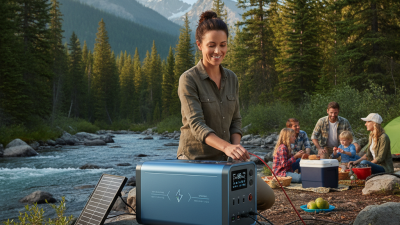
How to Choose the Best Compact Inverter for Your Needs?
Choosing the right Compact Inverter can seem overwhelming. With many options available, it’s vital to understand your needs first. A Compact Inverter serves various purposes. It can power small appliances, charge devices, or support outdoor activities. Selecting one requires knowledge and careful consideration.
Look for essential features such as power output, weight, and efficiency. Some might prioritize portability over performance, while others need more power capacity. This can lead to choosing an inverter that might not meet your demands. Therefore, it's crucial to balance size and functionality. Often, users overlook critical specifications, which can lead to disappointment.
Researching trusted brands is essential. Reading reviews can provide insight into reliability. However, it’s important to note that not every recommendation is accurate. Each user's needs can greatly differ. Reflect on your requirements to avoid making a common mistake. A well-informed choice will enhance your experience with a Compact Inverter, making it a valuable tool in your daily life.
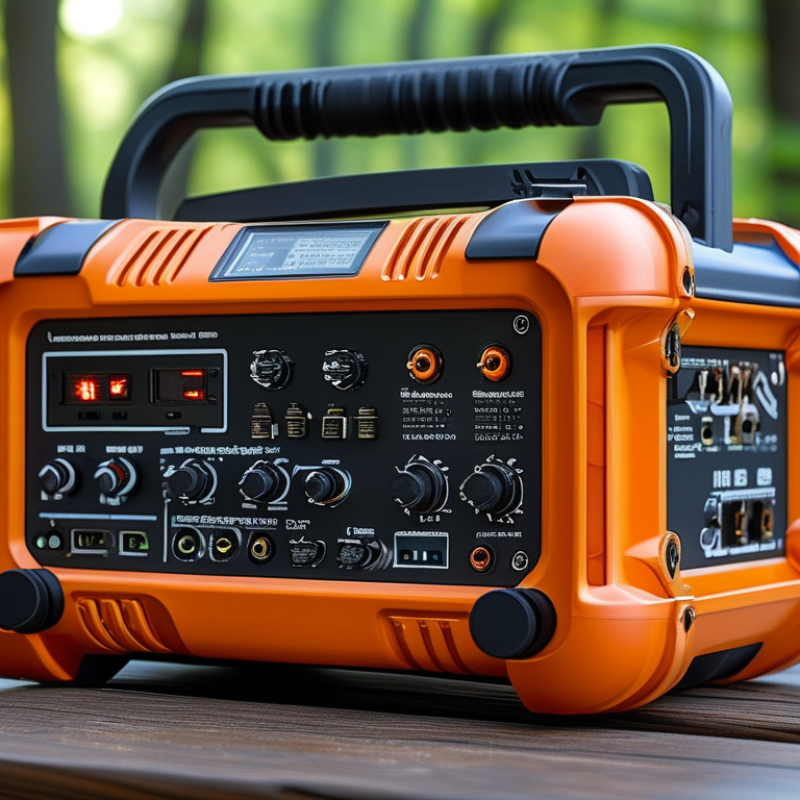
Understanding Compact Inverters: Definition and Functionality
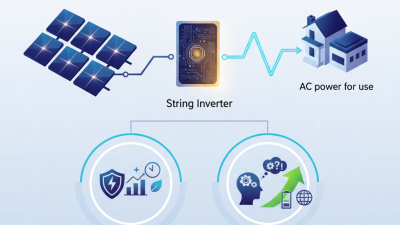
Compact inverters are essential devices for converting direct current (DC) to alternating current (AC). They are commonly used to power small appliances and electronics when you're off the grid. Understanding their definition and functionality is crucial. Unlike standard inverters, compact variants are designed for portability and efficiency. They are lightweight and often come with built-in safety features, making them user-friendly.
When selecting a compact inverter, consider its wattage rating. Ensure it can handle the cumulative wattage of all devices you plan to power. A common mistake is underestimating this power requirement. Look for an inverter that offers peak power capability. This feature allows your devices to start up smoothly without straining the inverter.
Tips: Always examine the inverter's conversion efficiency. Higher efficiency leads to less energy loss during power conversion. Don't overlook the importance of safety certifications. Check if the model meets industry standards for protection against overloads and short circuits. It’s also wise to read customer reviews. Real-world experiences can provide insights into the inverter's reliability and performance.
How to Choose the Best Compact Inverter for Your Needs?
| Feature |
Description |
Importance |
| Power Output |
Determines the total amount of power the inverter can provide, typically measured in watts. |
High importance for ensuring sufficient power supply for devices. |
| Size and Weight |
Compact size and lightweight design for easier portability. |
Medium importance, especially for travel and outdoor use. |
| Wave Type |
Types include square wave, modified sine wave, and pure sine wave, affecting device compatibility. |
High importance for sensitive electronics. |
| Efficiency Rating |
How effectively the inverter converts DC power to AC power, usually expressed as a percentage. |
High importance for reducing energy waste. |
| Safety Features |
Includes features like overload protection, short-circuit protection, and thermal protection. |
High importance for user and equipment safety. |
| Input Voltage |
The voltage level of the DC power that the inverter can accept (e.g., 12V, 24V). |
Medium importance based on power source. |
Key Features to Look for When Choosing a Compact Inverter
When selecting a compact inverter, certain key features are essential to ensure it meets your specific needs.
Power output is one of the most critical aspects.
A reliable inverter should have a continuous output rating that accommodates your devices without causing overload.
Research shows that a compact inverter often has an output range of 300 to 800 watts.
Understanding your power requirements helps you avoid inefficient or excessive models.
Efficiency is another vital characteristic.
Look for inverters with a high efficiency rating, ideally above 90%.
This information directly impacts battery life and device performance.
When the inverter operates more efficiently, less energy is wasted.
Studies indicate that increasing efficiency by just a few percentage points can lead to significant savings over time.
Portability should not be overlooked.
The best compact inverters are lightweight and easy to carry,
making them ideal for travel or outdoor activities. Weight is usually under 10 pounds.
However, they shouldn't compromise power or durability. Users often face a dilemma when choosing between size and functionality.
Balancing these aspects is essential to purchase the right inverter.
Assessing Power Needs: Determining Your Energy Requirements
When considering a compact inverter, understanding your power needs is crucial. Start by listing the devices you intend to power. Each device has a specific wattage requirement. For example, a laptop typically uses around 60 to 100 watts. In contrast, larger appliances, like a mini-fridge, may require 300 watts or more. It's essential to compile these figures, as they influence the type of inverter you'll need.
Consider peak wattage as well. Some devices, such as power tools, require more power during startup. This surge can be significantly higher than the running watts. Assessing both values ensures your inverter can handle those moments without failure. It's often overlooked, yet crucial for maintaining efficiency and safety.
Finally, think about your usage scenarios. Will you use the inverter at home or during outdoor trips? Do you need portability or extended runtime? Reflecting on these questions can help refine your choices. Remember, selecting the right inverter is not just about the wattage. A well-informed decision balances need, practicality, and potential challenges.
Portability and Size: Finding the Right Dimensions for Your Use
When considering a compact inverter, portability and size are crucial factors. The right dimensions can significantly enhance your user experience. A lightweight model often means easier transportation. Look for a design that easily fits in your car trunk or backpack. Compact inverters are ideal for outdoor activities or emergencies.
Think about your specific needs. Are you using it for camping, or do you need it for a home backup? Each scenario demands different size requirements. A smaller inverter may suffice for charging devices, while larger ones might be necessary for powering tools.
Be mindful of the inverter's weight too. Heavier units can be a hassle to transport, especially if you plan to move it frequently. Determine how much power you need and balance that with your preferred size. Test different models if possible. The perfect choice might not be as straightforward as it seems. Choose wisely based on experience and practical use cases.
Budget Considerations: Balancing Cost with Performance and Features
When selecting a compact inverter, budget considerations are crucial. According to industry reports, many consumers overlook long-term value. A low upfront cost might tempt you, but it often leads to higher replacement costs. Inverters typically have a lifespan of 5-10 years. Opting for a model based solely on price can result in performance issues that increase your overall expenses.
Performance and features matter just as much as cost. A 2023 study indicates that most users prioritize efficiency and portability but often miss essential functionalities like surge power capacity. A compact inverter should provide sufficient energy without frequent overloads. Investing slightly more can yield savings, especially if considering backup power needs during an outage.
Balancing cost and performance can be challenging. Many users report buyer's remorse after choosing the cheapest option. Features such as energy efficiency and output stability are frequently underappreciated. Evaluating your true energy needs is vital. Skimping on quality may lead to frustration and unexpected costs down the road, proving that sometimes, you do get what you pay for.

 Mobile Generator