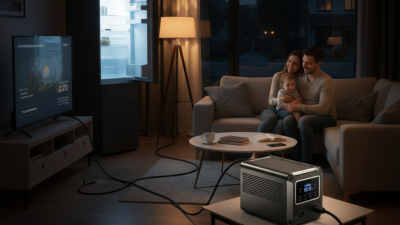
How to Choose the Best Power Storage Generator for Your Needs?
In an era where energy demands are constantly increasing, a suitable Power Storage Generator is essential. According to a report by the International Energy Agency, global energy storage capacity is projected to reach 300 GWh by 2025. This rapid growth emphasizes the need for efficient storage solutions.
Selecting the right generator involves evaluating various factors. Consider your energy needs, location, and budget. A study from Navigant Research shows that residential power storage systems can reduce energy costs by up to 30%. Yet, many consumers overlook the long-term implications of their choices.
Discerning the best options can feel overwhelming. Many overlook critical features like battery lifespan and discharge rates. In the quest for efficiency, consumers often need to reflect on their unique requirements. Balancing cost and quality is not easy. Therefore, understanding Power Storage Generators is vital for informed decision-making.
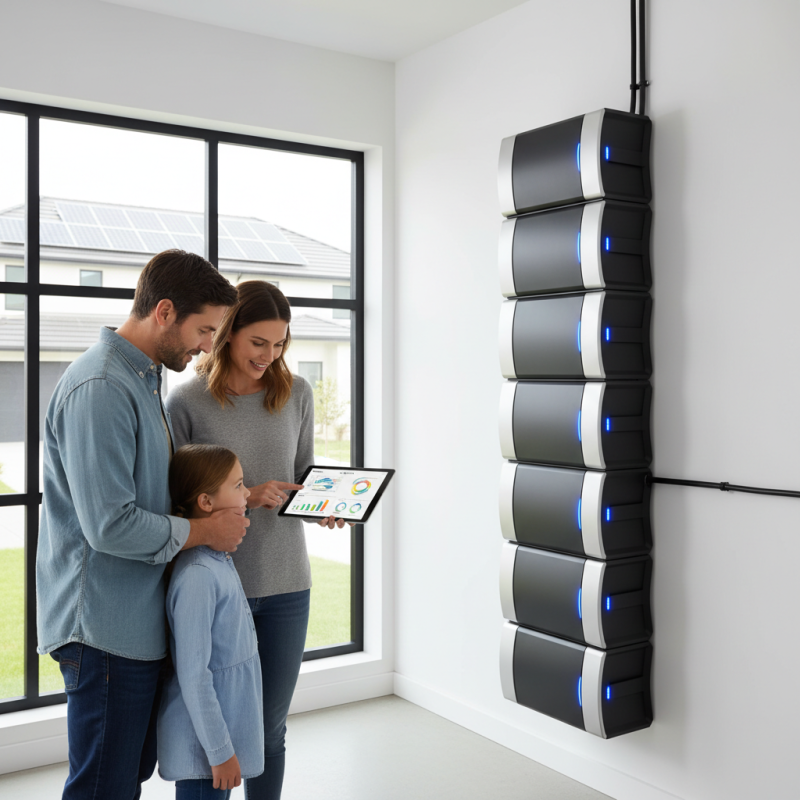
Types of Power Storage Generators: A Comprehensive Overview
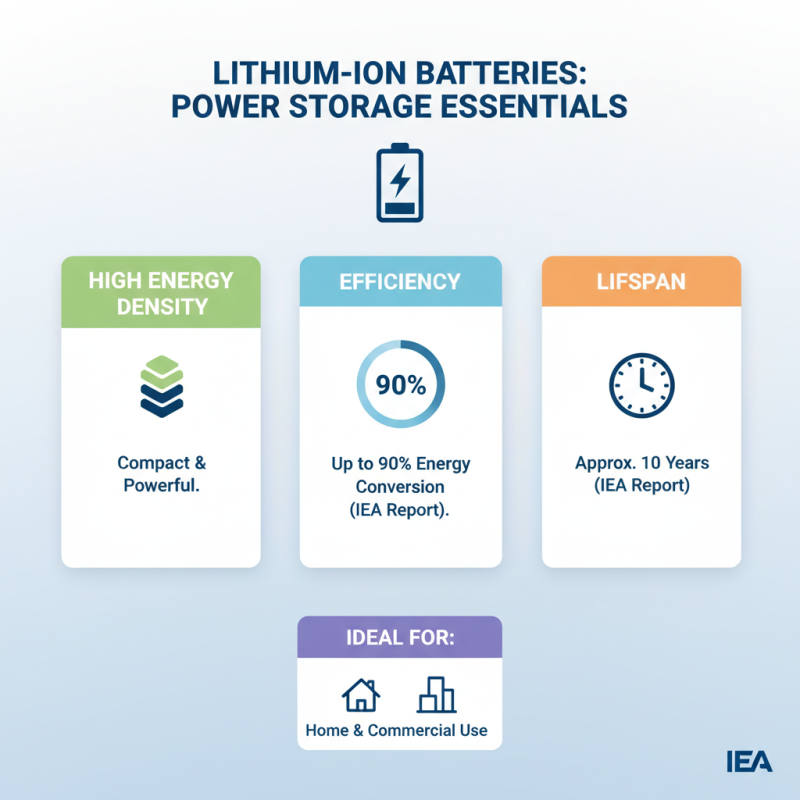
When considering power storage generators, understanding the different types available is crucial. Lithium-ion batteries are popular due to their high energy density and efficiency. According to a report by the International Energy Agency, these batteries can store energy with up to 90% efficiency and have a lifespan of around 10 years. This makes them a solid choice for home and commercial use.
Lead-acid batteries, another common type, are often more affordable. However, they have a lower energy density and only provide about 70% efficiency. Their typical lifespan is significantly shorter, averaging 3-5 years. This discrepancy in longevity can lead to significant replacement costs over time, which users should not overlook.
Flywheel energy storage systems offer unique benefits but come with their challenges. While they can discharge energy rapidly, their initial investment is high. Reports indicate that they are best suited for short-term energy storage needs. This may not meet everyone's needs. Evaluating your requirements is essential before making a decision. Every option has its pros and cons.
Key Factors to Consider When Choosing a Power Storage Generator
When choosing a power storage generator, several key factors come into play. Capacity is crucial. A generator's capacity is measured in watt-hours or kilowatt-hours. A larger capacity means more stored energy. For example, a generator with a capacity of around 2,000 watt-hours can power essential appliances during an outage. But does that meet your power needs? You may need to calculate the total wattage of devices you intend to use.
Next, consider battery technology. Lithium-ion batteries are popular due to their efficiency and lifespan. Reports suggest they offer a cycle life of 2,000 to 5,000 cycles. In contrast, lead-acid batteries might only provide 500 cycles. These differences can impact long-term costs significantly. However, lithium-ion batteries can be more expensive initially, leading to potential hesitation.
Portability is another essential factor. Some generators are designed for mobility and ease of transport. A compact design can be a game-changer for outdoor activities or emergencies. Check the weight and dimensions. Can you easily move it? Also, assess charging options. Solar capability or multiple charging ports adds convenience. But if you rely solely on one charging method, you could face limitations during extended outages. This consideration ensures you can keep your power system functional when needed most.
Assessing Your Energy Needs: Calculating Power Requirements
Assessing your energy needs is crucial when choosing a power storage generator.
Start by listing all the devices you plan to use. Consider lights, appliances, and tools. Each device has a power
requirement, measured in watts. You can find this information on their labels or in the manuals.
Next, calculate the total wattage needed for simultaneous use. Add up the watts required for your essential
devices. Don’t forget about starting watts for equipment with motors. These devices often need more energy to start.
For example, a refrigerator may use 700 watts to run but needs 1200 watts
at startup.
Finally, think about your usage duration. How long will you use each device? Multiply the total wattage
by the hours of use. This step ensures that your generator can support your daily needs without overcommitting.
Awareness of these factors helps prevent unexpected shortages or overloads. Remember, it’s okay to make adjustments
as you learn!
Evaluating Portability and Size for Your Power Storage Generator
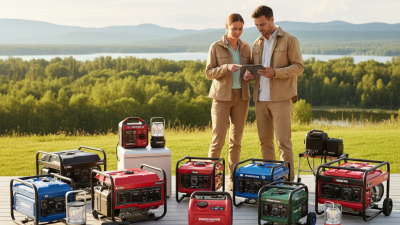
When selecting a power storage generator, portability and size are critical factors. Compact models are easier to transport, ideal for camping or outdoor use. However, smaller units may lack power capacity. It's essential to balance size with your energy needs. Should you choose a lightweight generator, you might sacrifice runtime. Can it handle all your devices?
Consider weight carefully. Heavier models often provide more power, yet they can be cumbersome. Ask yourself: will lugging it around be a hassle? Even a few extra pounds can be difficult over distance. Also, think about storage space at home. A larger generator needs more room, impacting where you can keep it.
Evaluate how often you'll need it. If it's for occasional use, a portable generator might suffice. If it’s for regular power outages, investing in a larger unit might make sense. Yet, larger models might not always fit in your vehicle. Reflect on your lifestyle and choose what suits you best. The perfect balance is different for everyone.
Maintenance and Longevity: Ensuring Your Generator's Durability
Maintaining a power storage generator is vital for its longevity. Regular checks can prevent major issues. Start with the battery. Ensure it's clean and well-connected. A corroded battery can hinder performance. It's essential to inspect connections monthly, especially in harsh climates.
Fuel stability is another factor to consider. Old fuel can cause problems. Use stabilizers if you don’t use your generator often. Changing the fuel every few months maintains efficiency. Sometimes, we forget this simple step.
Don’t overlook oil changes. Old oil can lead to engine wear. Check the oil level regularly and replace it according to the manufacturer’s guidelines. It’s easy to forget, but it’s crucial for durability. Finally, always store your generator in a dry, safe place. This simple act can significantly extend its lifespan.
Power Storage Generator Maintenance and Longevity

 Mobile Generator