Top 10 Industrial Generator Tips for Maximum Efficiency?
Industrial Generators are crucial for various operations. They ensure reliability and power when the grid fails. However, there are often common oversights that can lead to inefficiencies.
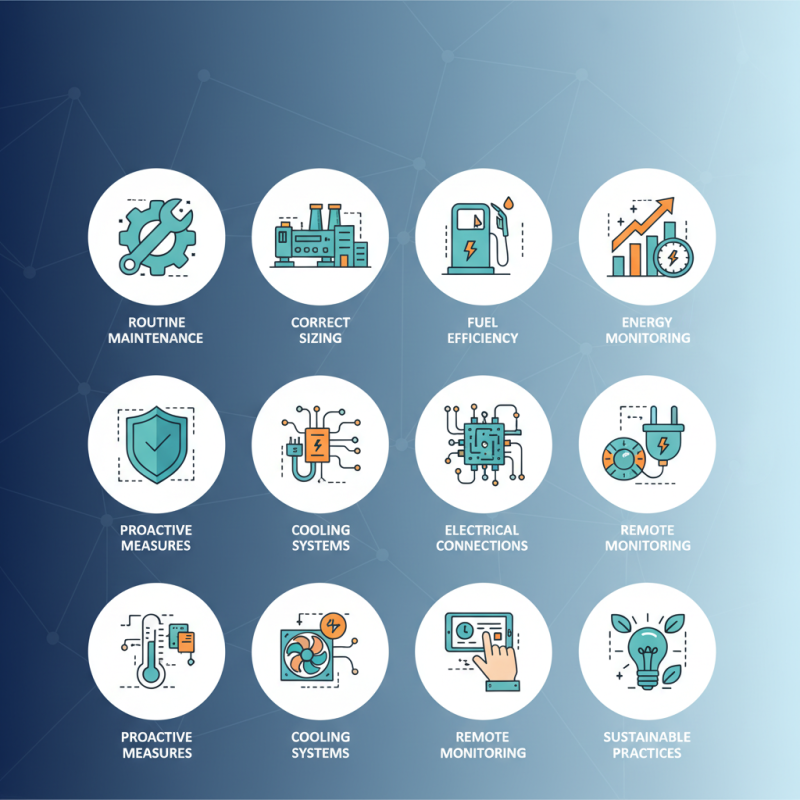
Maximizing the efficiency of an Industrial Generator involves understanding its components and usage. Many users ignore routine maintenance or incorrectly size their generators. Such mistakes can lead to unexpected downtime. Fine-tuning fuel settings and load management is vital. Awareness of energy consumption patterns can significantly enhance performance.
In this guide, we delve into the top tips for optimizing your Industrial Generator. Each tip is practical and rooted in real-world experience. Reflecting on these strategies may reveal areas for improvement. Emphasizing proactive measures can make a substantial difference over time.
Understanding Industrial Generator Efficiency Metrics and Standards
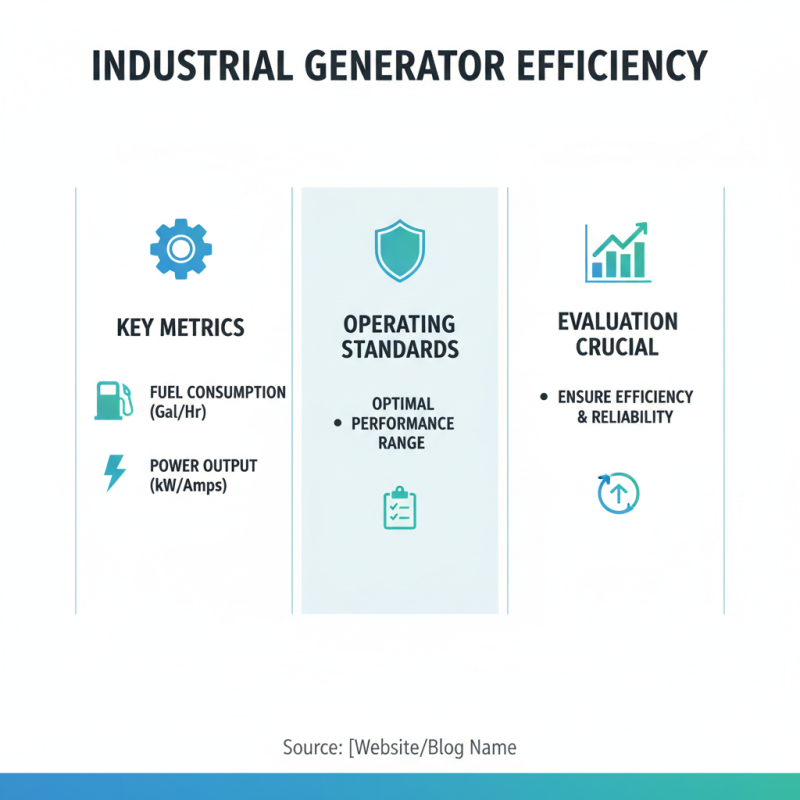
When evaluating industrial generator efficiency, understanding metrics and standards is crucial. These metrics often include fuel consumption and power output. Equipment should operate within these standards to ensure optimal performance.
One tip for maximizing efficiency is regular maintenance. A well-maintained generator performs better. Another crucial aspect is load management; running at the right load can greatly improve efficiency. Ensure to monitor the load closely.
Consider the fuel quality too. Using the right fuel can enhance efficiency significantly. Generators can react poorly to low-grade fuels, affecting their output. Addressing these issues can prevent costly downtime. Tracking these facets can help achieve top performance.
Routine Maintenance Practices to Enhance Generator Performance
Routine maintenance is crucial for enhancing the performance of industrial generators. Regular checks can prevent minor issues from becoming major problems. According to industry reports, maintaining a generator can increase its lifespan by up to 30%. Regular inspections help identify wear and tear on components like filters and batteries.
Changing oil and filters as per the manufacturer’s guidelines is essential. Old oil can lead to increased friction and reduced efficiency. Data from mechanical studies indicate that generators running on poorly maintained oil can lose up to 15% of their output. Additionally, cleaning air intake and exhaust systems can improve fuel efficiency. During routine checks, it’s also vital to monitor the battery's charge levels. A failing battery can lead to unexpected downtimes.
Despite best practices, some operators neglect maintenance routines. This oversight can derail productivity. Generators often face wear that goes unnoticed until a failure occurs. Ensuring all staff are trained in maintenance is important. Regular training sessions can remind teams of best practices and prevention strategies. Balancing efficiency with routine checks is a continuous process that needs attention and diligence.
Optimal Load Management Techniques for Industrial Generators
When managing industrial generators, effective load management is crucial. Proper balance reduces wear and tear. This extends the life of the equipment.
One effective strategy is to monitor real-time load data. Regularly check the power usage of machinery. Adjust loads to ensure the generator operates within optimal limits. Avoid consistently pushing the generator to maximum capacity. This can lead to overheating and operational failures.
Another technique involves planning maintenance during low load periods. Scheduling downtime when power demand is low helps mitigate losses. It can be challenging to find the right timing. However, taking the time to strategize will pay off. Recognize patterns in your energy needs.
Explore automatic load balancing systems. These systems can adjust loads dynamically. They help maintain efficiency without constant manual adjustments. Keep in mind that technology requires training and time to integrate.
Ultimately, load management is ongoing. Stay observant, flexible, and ready to adapt. Re-evaluate your methods regularly to find new opportunities for improvement.
Fuel Type Selection and Its Impact on Generator Efficiency
Selecting the right fuel type is crucial for maximizing generator efficiency. Different fuels produce varying energy outputs and combustion characteristics. Diesel, for example, generally offers better energy density. However, issues like higher emissions could arise. Gasoline is more common, but it may require more frequent refueling.
Utility costs can also vary significantly by fuel type. Choosing natural gas might provide a more affordable option, but fluctuations in supply affect prices. This inconsistency can impact overall operational costs. Users often overlook the importance of proper fuel storage as well. Contamination can reduce efficiency over time.
Reflecting on these choices is essential. The wrong fuel can lead to increased maintenance and operational downtime. Users may want to run tests on fuel performance to find the best match for their generators. Understanding the intricacies of fuel selection can lead to more informed choices and improved generator efficiency.
Monitoring and Analyzing Generator Performance Data for Improvements
Monitoring and analyzing generator performance data is crucial for efficiency. Data-driven decisions can reduce downtime and increase reliability. Industry reports indicate that regular performance assessment can boost generator efficiency by up to 15%. This is significant for any operation reliant on generators.
Tip: Track fuel consumption regularly. High fuel usage often signals inefficiencies. Adjusting load levels can optimize performance. Performance metrics should include operating hours, load cycles, and maintenance records. Consistent monitoring helps identify patterns.
Data analysis can reveal problems before they escalate. For instance, a decline in output might indicate mechanical issues. Regular performance evaluations can save costs in the long run. Generators that operate at peak efficiency typically have lower operational costs.
Tip: Use real-time diagnostic tools for quick insights. These tools often alert operators to anomalies. Noticing irregular behavior early can prevent major failures and enhance efficiency. Regular data analysis also fosters an environment of proactive maintenance.
Generator Performance Analysis: Efficiency Metrics

 Mobile Generator