Top 5 Energy Backup Devices You Should Consider Today?
In today’s unpredictable world, an Energy Backup Device has become essential for every household. Power outages can occur unexpectedly due to storms, equipment failures, or grid issues. These outages disrupt daily life and can lead to costly damages. With the right backup device, you can maintain your comfort and safety during these times.
When choosing an Energy Backup Device, several factors come into play. Different devices serve various purposes. Some offer compact solutions for quick power restoration. Others cater to larger needs, providing enough energy for multiple appliances. It’s vital to understand your requirements to find the best fit.
Moreover, not all devices are created equal. Reliability and efficiency should guide your decision-making process. It’s important to consider user reviews and expert opinions. Reflect on your priorities and consider how different devices align with your lifestyle. Investing in an energy backup device is more than just a purchase; it’s a step toward peace of mind.
Understanding the Importance of Energy Backup Devices
Energy backup devices play a crucial role in today’s increasingly unstable power landscape. With natural disasters, equipment failures, and grid overloads becoming more frequent, understanding these devices is essential. A recent report by the International Energy Agency highlights that over 1.3 billion people lack access to electricity. This reality underscores the urgent need for reliable backup solutions to ensure continuous power access.
The benefits of energy backup devices extend beyond mere convenience. For instance, small businesses reportedly lose $1.3 billion annually due to unexpected power outages. Having a dependable backup can mitigate risks and improve operational resilience. Quality backup systems can provide power for hours, allowing time for repairs or adjustments to power needs. This can be particularly vital for healthcare facilities and data centers, where even brief outages can have serious consequences.
Despite their importance, many households overlook energy backup options. In a survey by the U.S. Energy Information Administration, only about 20% of Americans reported having any form of backup power. Addressing this gap involves understanding the varied options available, from portable generators to solar power banks. Investing in energy backups is not just practical; it is a necessary step toward ensuring stability in an unpredictable energy environment.
Types of Energy Backup Devices Available in the Market
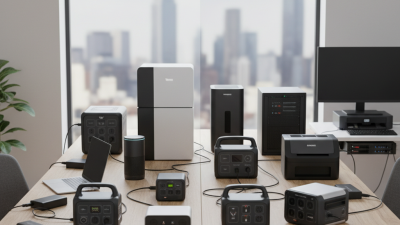
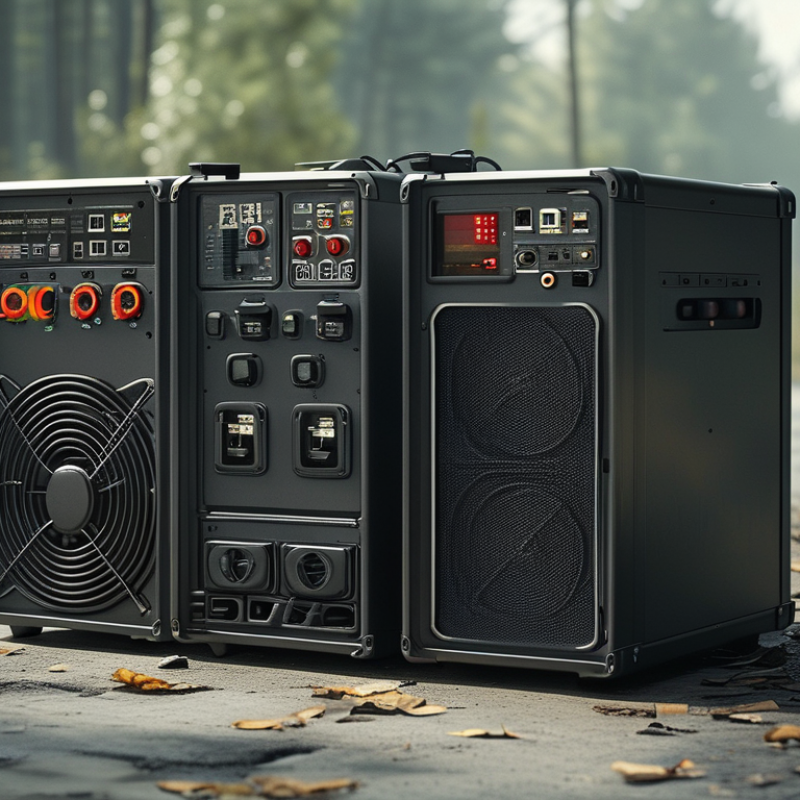
Energy backup devices are essential for maintaining power during outages. There are several types available today. Each type offers unique features that suit different needs.
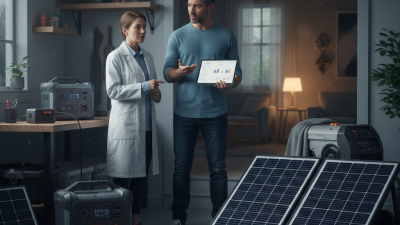
Battery backup systems are one option. They store energy and provide it when the grid fails. These systems vary in capacity. Choosing the right size is crucial for your specific needs. Solar-powered generators are also gaining popularity. They harness sun energy, offering a sustainable option for homeowners. These devices often come with solar panels to recharge them.
Another type of backup device is the uninterruptible power supply (UPS). They are commonly used for computers and sensitive equipment. A UPS provides immediate power, ensuring that devices remain operational during outages. Lastly, portable generators are versatile and can power various appliances. However, they require fuel and proper ventilation. Evaluating your power needs will help you choose the best solution for your situation.
Key Features to Look for in Energy Backup Devices
When choosing energy backup devices, several key features deserve your attention. First, consider the capacity. It determines how much energy the device can store. A larger capacity means more power for your needs. Look for options that can handle both short and long outages. This flexibility is crucial for those living in areas prone to power fluctuations.
Another essential feature is the recharge time. A device that recharges quickly can be invaluable during extended outages. Check the types of energy sources it supports. Solar, for instance, provides a sustainable option. Additionally, portability can make a significant difference. A lightweight device is easier to transport in emergencies.
Lastly, consider the safety features included. Overcurrent protection and cooling systems can prevent accidents. User reviews often highlight these aspects. Integrating user experiences into your decision-making can be helpful. It's important to consider your specific needs and situations, as no device is perfect for every use case. Balancing capacity, recharge time, portability, and safety can guide you to the right choice.
Top 5 Recommended Energy Backup Devices for Home Use
When considering energy backup devices for home use, it's essential to look at efficiency and reliability. A report from the U.S. Department of Energy highlights that every household should have a backup solution in case of power outages. This need is driven by the increasing frequency of natural disasters. After all, 70% of U.S. households experienced outages in the past year.
Lithium-ion battery systems stand out as an excellent choice. These devices are known for their high energy density and long cycle life. Data shows that such systems can last for up to 10 years with proper maintenance. Many homes can benefit from these batteries, especially those that rely heavily on electronic devices. However, the initial cost can be a concern. Homeowners need to evaluate whether the long-term savings on electricity will offset the upfront investment.
Another option is portable generators. According to industry statistics, these devices offer quick solutions for power disruptions. They are versatile and can power essential appliances during outages. Even so, they require fuel and can be noisy. Users must be aware of local regulations regarding noise levels. Ultimately, the best solution varies by household needs and usage patterns.
Tips for Maintaining and Optimizing Energy Backup Solutions
In today's world, reliable energy backup solutions are essential. Maintaining these systems can significantly extend their lifespan and optimize performance. Research shows that regular maintenance can improve efficiency by up to 30%. Here are some tips to consider.
Proper ventilation is key. Ensure your energy backup devices are in well-ventilated areas. Overheating can severely reduce performance and lead to premature failure. Also, regularly check and replace filters if applicable. This simple action can prevent dust accumulation, which often hampers airflow.
Battery care is crucial. Monitor battery levels and schedules for charging cycles. Data indicates that batteries can lose up to 40% of their lifespan if not appropriately charged. Additionally, storing batteries at optimal temperatures helps preserve their condition. It’s also worth evaluating storage conditions regularly.
Assessing your energy needs can lead to better choices. Keep track of your energy consumption. Understanding your requirements will help optimize your backup system and ensure it meets future demands. Many consumers overlook the impact of seasonal changes on energy use, leading to inefficiencies. This is an area where reflection can enhance performance greatly.

 Mobile Generator