
 Mobile Generator



5 Essential Steps to Create Your Off-Grid Solar Power System
Off-grid solar systems play a crucial role in achieving energy independence within our Solar-System. They empower individuals and communities to harness renewable energy. The benefits are significant, including:
| Benefit | Description |
|---|---|
| Scalability | Off-grid solar systems can be tailored to meet specific energy needs, from individual homes to communities, enhancing energy independence. |
| Environmental Advantages | These systems contribute to reducing the carbon footprint associated with energy consumption, promoting sustainability. |
| Technological Advancements | Ongoing improvements in solar panel efficiency and battery storage technology enhance the viability of solar power as a sustainable energy source. |
| Reduction of Fossil Fuel Dependency | Off-grid solar systems help decrease reliance on fossil fuels, supporting a transition to cleaner energy sources. |
Embracing this technology fosters a sustainable future in our Solar-System.
Key Takeaways
- Calculate your energy needs accurately to design an effective off-grid solar system. Consider all electrical loads and use tools to simplify the process.
- Choose the right battery storage based on your energy usage and solar panel output. Proper sizing ensures reliability during periods without sunlight.
- Select a suitable solar charge controller to optimize energy flow from solar panels to batteries. Understand the differences between PWM and MPPT controllers for better efficiency.
Calculate Your Energy Needs
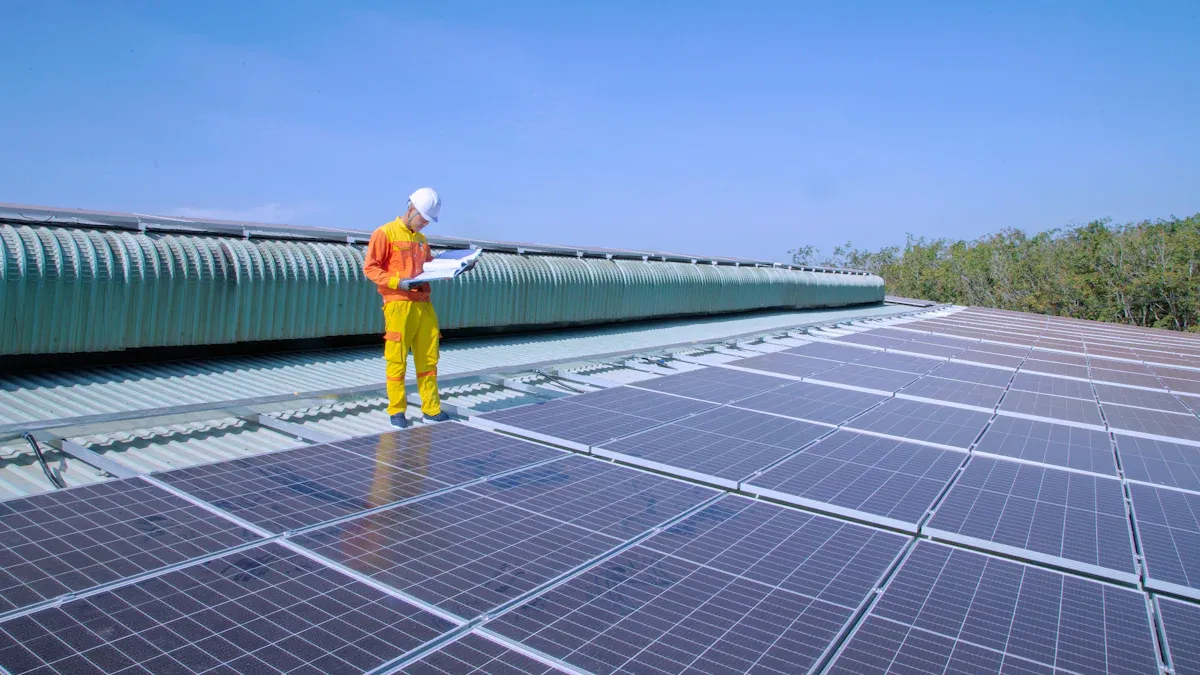
Calculating energy needs is the first step in designing an off-grid solar power system. This process involves determining the total daily energy consumption in watt-hours (Wh) or kilowatt-hours (kWh). Individuals should consider all electrical loads, including lighting, appliances, and electronics. Accurate load calculation is essential since off-grid systems lack a grid backup.
To calculate daily energy consumption, follow these steps:
- Identify the power rating from the appliance label or measure it with a wattmeter.
- Use the formula: Energy Consumption (Watt-Hours) = Power (Watts) × Time (Hours).
- Sum the total energy consumption for all devices.
A comprehensive energy audit can help streamline this process. Here’s a simple table to guide the audit:
| Step | Description |
|---|---|
| 1 | Create a list of all electrical devices and appliances. |
| 2 | Multiply the power rating (in watts) by estimated daily hours of use to calculate daily energy consumption in watt-hours (Wh). |
| 3 | Document all loads in an energy audit spreadsheet, including device name, quantity, power rating, daily usage hours, and energy consumption. |
| 4 | Regularly monitor and update the energy consumption profile to optimize system performance. |
On average, off-grid homes consume approximately 2.78 kWh/day. However, energy usage patterns can vary significantly among households. Many off-grid users experience a night-peaking trend in energy consumption, which should be factored into the system design.
Utilizing tools like the Free Off-Grid Solar System Sizing Tool can simplify this process. These tools estimate system size based on appliance wattage and usage duration, ensuring a well-balanced solar power system.
Determine Battery Storage Requirements
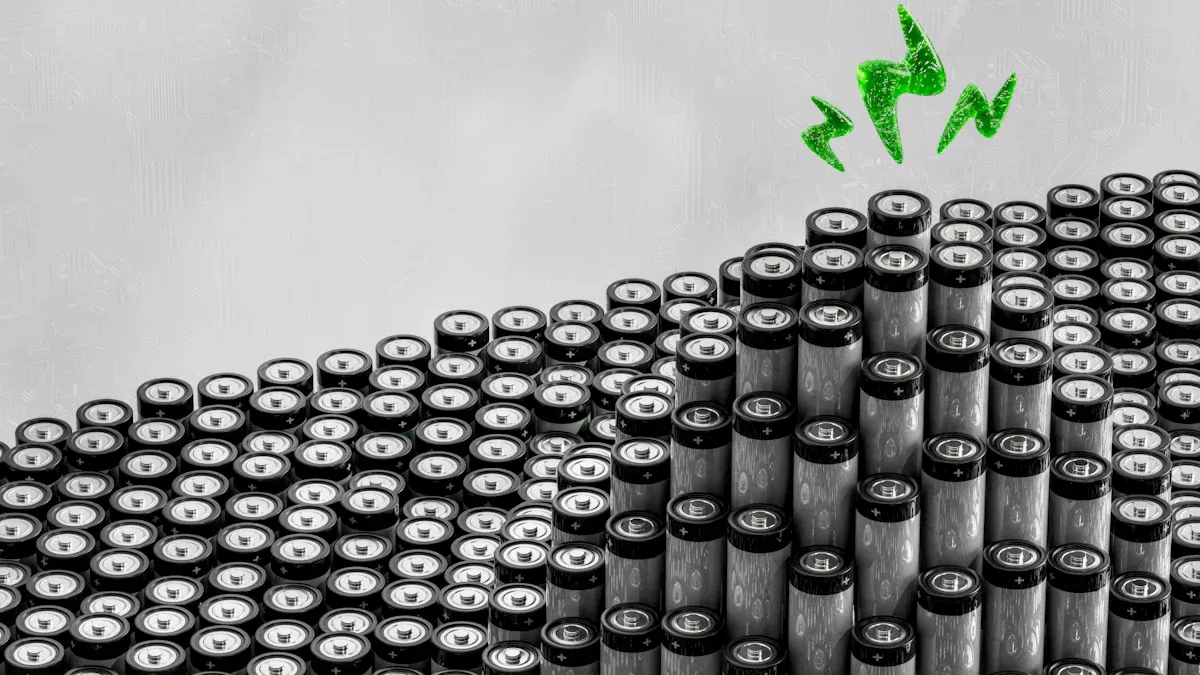
Determining battery storage requirements is essential for an effective off-grid solar power system. Proper sizing ensures that the system can meet energy demands during periods without sunlight. Several factors influence battery storage needs:
| Factor | Description |
|---|---|
| Battery Type | Lithium batteries can be discharged up to 100%, while lead-acid batteries should only be discharged up to 50%. |
| Voltage | Battery bank voltage typically ranges from 12V to 48V. Higher voltages are necessary for larger systems. |
| Energy Usage | Calculate daily energy consumption to determine the appropriate battery size. |
| Solar Panel Output | Assess the number of solar panels needed based on energy production and available sunlight hours. |
| Maintenance Needs | Different battery types have varying maintenance requirements, impacting long-term performance. |
To accurately size the battery storage, consider the following steps:
- Evaluate energy usage by examining electricity bills.
- Identify essential loads to keep operational during outages.
- Estimate solar panel output to gauge available power for storage.
- Plan for future energy demands to accommodate changes in usage.
- Seek expert advice for accurate battery sizing.
For an average household using an off-grid solar system, the recommended battery storage capacity ranges between 26-39 kWh. This capacity allows for 2-3 days of autonomy without solar input. For example, a household with a daily energy usage of 13 kWh should aim for a battery capacity within this range.
Battery lifespan varies by type. Lithium-ion batteries typically last 8-15 years, while lead-acid batteries last around 3-5 years. Understanding these factors helps ensure a reliable and efficient off-grid solar power system in your Solar-System.
Assess Solar Panel Needs Based on Location
Assessing solar panel needs based on location is vital for optimizing an off-grid solar power system. Geographic factors significantly influence solar energy availability, which directly affects the number and type of solar panels required. Key considerations include:
- Solar irradiance levels: Different regions receive varying amounts of sunlight. Areas closer to the equator enjoy higher irradiance year-round, while polar regions experience lower levels, especially in winter.
- Seasonal variations: Seasonal changes impact solar panel output. For instance, fall leads to reduced energy generation compared to summer. Winter presents challenges with shorter days and cloudier skies, drastically lowering solar output. Conversely, spring brings increased sunlight and energy production.
A solar resource assessment is crucial for effective system design. This assessment should consider peak sun hours and seasonal variations in solar exposure. For example, a 300W solar panel can generate approximately 1.2 kWh per day under optimal conditions. However, this output varies based on geographic location.
| Geographic Location | Seasonal Variation | Impact on Solar Panel Requirements |
|---|---|---|
| Areas closer to the equator | Higher irradiance year-round | Requires fewer panels for the same energy output |
| Polar regions | Lower irradiance, especially in winter | Requires more panels to meet energy needs |
| Regions with high cloud cover | Variable irradiance | May require more efficient panels or larger installations |
Understanding these factors allows individuals to tailor their solar panel systems effectively, ensuring they meet energy demands throughout the year in their Solar-System.
Choose a Suitable Solar Charge Controller
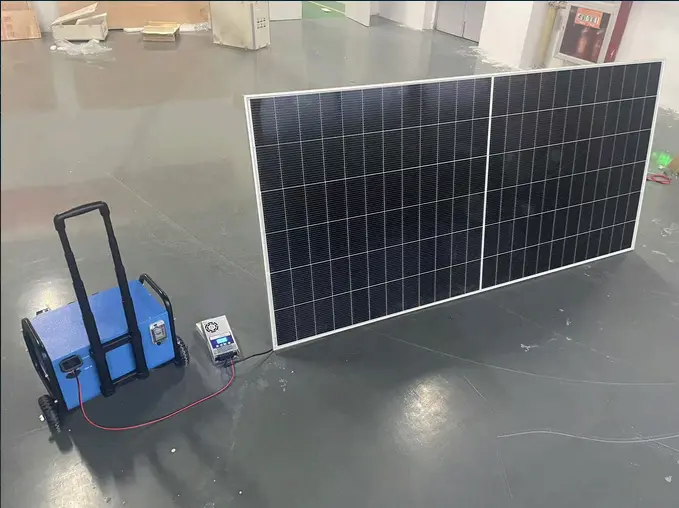
Selecting the right solar charge controller is crucial for optimizing an off-grid solar power system. This component regulates the voltage and current coming from the solar panels to the batteries, ensuring safe and efficient charging. Two main types of solar charge controllers are available:
| Type | Description |
|---|---|
| PWM | Basic and affordable; adjusts connection as the battery charges; suitable for small systems. |
| MPPT | Advanced and efficient; effective in varying conditions; suitable for larger installations; higher cost. |
When choosing a solar charge controller, consider the following criteria:
| Criteria | Description |
|---|---|
| Type of Controller | Determine whether to use PWM or MPPT controllers, as they are sized differently. |
| Sizing Based on Current | Choose a controller that can handle the full current potential of your solar array. |
| Voltage Compatibility | Ensure the controller matches the voltage of your system (12V, 24V, or 48V). |
| Amperage Rating | Select a controller with an amperage rating that exceeds the solar array's output by at least 25%. |
| MPPT Advantages | MPPT controllers can adapt voltage and increase current, making them more efficient. |
MPPT controllers are approximately 30% more efficient than PWM devices. They adjust the input voltage to optimize power harvesting, while PWM controllers directly connect the solar panels to the batteries, limiting their efficiency.
Common issues with solar charge controllers include:
- Battery voltage is too low: The battery may run low when the solar panel is used for an extended period without sunlight.
- Battery voltage is too high: High voltage can damage battery cells.
- Output current exceeds rated current: This occurs when a powerful solar panel is paired with a lower-rated controller.
- Load output is short circuit: A short circuit can prevent the solar panel from functioning.
Understanding these factors helps ensure a reliable and efficient off-grid solar power system in your Solar-System.
Select an Inverter and Ensure System Balance
Choosing the right inverter is essential for an off-grid solar power system. The inverter converts direct current (DC) from solar panels into alternating current (AC) for household use. Selecting an appropriate inverter type and size ensures optimal performance and energy efficiency.
Common Types of Inverters
| Type of Inverter | Description |
|---|---|
| Pure Sine Wave Inverter | Offers a waveform identical to grid power, considered the best for off-grid systems. |
| Modified Sine Wave Inverter | More economical, with a distorted sine wave output, resulting in poorer current smoothness. |
| Multi-Mode Inverter | Can switch between off-grid and grid-connected modes, providing flexibility in operation. |
When sizing an inverter, consider these factors:
- Size of Solar Array: The inverter must match the DC rating of the solar panels.
- DC-to-AC Ratio: Ideal ratios (1.15 to 1.25) allow for slight oversizing of panels, improving efficiency.
- Environmental Factors: Geographic location and shading affect solar output and inverter performance.
- Future Expansion: Plan for potential system growth when selecting inverter capacity.
Ensuring system balance is equally important. Key considerations include:
- Selecting the right charge controller (PWM vs. MPPT)
- Ensuring voltage compatibility with batteries
- Implementing overcharge protection for battery longevity
- Choosing high-quality wiring, fuses, and breakers
By carefully selecting an inverter and maintaining system balance, individuals can maximize the efficiency and reliability of their off-grid solar power systems. This approach fosters energy independence and sustainability in their Solar-System.
Creating an off-grid solar power system involves crucial steps, including calculating energy needs, determining battery storage, assessing solar panel requirements, selecting a charge controller, and choosing an inverter. A well-designed system offers significant long-term savings by eliminating utility bills and protecting against rising rates.
- Off-grid systems enhance energy independence by:
- Reducing reliance on utility companies
- Providing reliable power during outages
- Supporting local energy generation
Embrace the transition to solar power for a sustainable future and enjoy the benefits of energy autonomy. 🌞
FAQ
What is an off-grid solar power system?
An off-grid solar power system operates independently from the utility grid, generating and storing energy for self-sufficiency.
How do I know how many solar panels I need?
Calculate your daily energy consumption in watt-hours, then divide by the average daily output of a solar panel in your location.
What type of batteries are best for solar storage?
Lithium-ion batteries offer higher efficiency and longer lifespan compared to lead-acid batteries, making them a preferred choice for solar storage.