
 Mobile Generator





A Step-by-Step Guide to Picking the Ideal Battery for Home Use

Choosing a battery for home use requires careful analysis of energy needs, safety, and long-term value. As more homes adopt renewable energy, over 200,000 battery systems were installed in the U.S. in 2023. Smart technology integration can improve energy efficiency by up to 30%, making reliable storage even more essential.
Key Takeaways
- Calculate your daily energy use and identify your main goals to choose a battery that fits your household needs and budget.
- Compare battery types by safety, lifespan, cost, and environmental impact to find the best match for your home and energy goals.
- Plan installation carefully by checking local codes, choosing professional installers, and scheduling regular maintenance to ensure safety and long-term performance.
Identify Your Battery Needs and Goals
Calculate Your Daily Energy Usage
Accurately determining daily energy consumption forms the foundation of any home energy storage plan. Homeowners should list all household appliances, note their wattage, and estimate hours of use per day. For each device, calculate daily energy use with the formula:Daily kWh = (Wattage × Hours Used Per Day) ÷ 1000.
Summing these values gives the total daily energy requirement. Adding a safety margin—commonly 20%—ensures the system can handle unexpected usage or cloudy days. Matching battery capacity to solar panel output also requires factoring in local weather and sunlight exposure, which can affect both solar generation and storage efficiency.
Tip: Identify critical loads, such as refrigerators or medical devices, to avoid oversizing the system and to ensure essential power during outages.
Define Your Main Goals (Backup, Savings, Off-Grid, etc.)
Every household has unique priorities for energy storage. Some seek reliable backup during outages, while others focus on maximizing savings or achieving off-grid independence. Quantitative reliability indices, such as Loss of Power Supply Probability (LOPSP) and Expected Energy Not Supplied (EENS), help measure how well a battery system meets these goals. For example, off-grid systems often tolerate a LOPSP between 0.05% and 2%, reflecting the desired balance between reliability and cost.
Assess Your Solar or Renewable System
Evaluating the performance of an existing or planned solar system is essential. Solar resource assessments use metrics like kWh/m²/day to determine site suitability and forecast energy output. Long-term irradiance data and reliability indices, such as Expected Energy Not Supplied, support accurate planning and maintenance. The table below summarizes key metrics for solar system assessment:
| Metric | Description | Application |
|---|---|---|
| Weibull Distribution | Models solar irradiance variability | Captures seasonal and daily fluctuations |
| Multi-state Power Generation | 14-step model for power output states | Analyzes reliability and performance |
| Reliability Indices (EENS, LOLP) | Quantifies energy not supplied and loss of load probability | Ensures system resilience and preparedness |
Understand Battery Types for Home Use
Lithium-Ion Batteries (Including Lithium Iron Phosphate)
Lithium-ion batteries have become the standard for residential energy storage due to their high energy density, long cycle life, and rapid technological advancements. Among these, lithium iron phosphate (LiFePO₄) batteries stand out for their exceptional safety and durability. The iron phosphate chemistry provides thermal stability, reducing the risk of overheating and fire. These batteries deliver consistent voltage output, supporting stable power delivery for home applications.
Recent market analyses show that lithium-ion battery costs have dropped significantly, with forecasts indicating prices as low as $32-$54 per kWh by 2030. Innovations such as tab-free cell configurations and cell-to-pack designs continue to improve energy density and reduce costs. Lithium iron phosphate batteries, in particular, offer a nominal capacity of 280Ah and a nominal voltage of 51.2 volts, making them suitable for frequent cycling and long-term use. Their environmentally friendly materials and wide operating temperature range further enhance their appeal for home energy storage.
Empirical studies using smart meter data from residential consumers reveal that battery storage adoption can alter electricity consumption patterns, highlighting the importance of matching battery technology to household behavior and policy incentives. Simulation frameworks also demonstrate that lithium-ion battery longevity depends on operational modes and environmental conditions, emphasizing the need for careful system design.
Lead-Acid Batteries
Lead-acid batteries remain a popular choice for home energy storage, especially where cost is a primary concern. These batteries offer reliable performance and a favorable cost-to-power output ratio. They maintain good charge and discharge rates, even under high constant charging currents. Experimental results confirm that electrolyte temperatures stay within safe limits during operation, supporting their thermal reliability.
Lead-acid batteries are easily recycled, contributing to their environmental sustainability. The use of charge controllers helps regulate charging and discharging, protecting battery health and ensuring operational reliability. Their weight poses little issue in stationary residential settings, and predictions suggest continued growth in their use for energy storage. Homeowners often select lead-acid batteries for photovoltaic systems due to their economic advantages and proven track record.
Saltwater Batteries
Saltwater batteries use a saline electrolyte, making them one of the safest and most environmentally friendly options available. These batteries are non-flammable and fully recyclable, with minimal environmental impact. They are particularly well-suited for applications where safety is critical, such as schools, hospitals, and disaster-prone areas. Saltwater batteries also perform reliably in marine and coastal environments due to their salt tolerance.
However, saltwater batteries have lower energy density compared to lithium-ion alternatives, typically around 30-50 Wh/kg. Their cycle life ranges from 1,000 to 3,000 cycles, depending on usage and management. While the upfront cost can be higher, the use of abundant raw materials helps offset long-term expenses. These batteries are less suitable for space-constrained installations but provide a robust solution where safety and sustainability are top priorities.
Flow Batteries
Flow batteries store energy in liquid electrolytes contained in external tanks, allowing for easy scalability and modularity. They deliver over 10,000 cycles with minimal capacity loss, making them ideal for long-term, high-frequency use. Flow batteries operate effectively across wide temperature ranges and present a low fire hazard, supporting safe installation in diverse climates.
These batteries offer fast ramp and recharge rates, supporting quick response to changing energy demands. Their performance does not degrade with frequent cycling, ensuring consistent output over 20-30 years. Flow batteries require more routine maintenance than lithium-ion systems, but their annual operational costs can be lower when considering degradation and capacity augmentation. Homeowners can scale capacity by increasing electrolyte volume, making flow batteries a flexible choice for both residential and commercial applications.
Pros and Cons of Each Battery Type
| Battery Type | Key Advantages | Considerations |
|---|---|---|
| Lithium-Ion (LiFePO₄) | High energy density, long cycle life, safe, stable voltage, environmentally friendly | Moderate energy density, requires proper management for longevity |
| Lead-Acid | Low upfront cost, reliable, easily recycled, proven technology | Shorter cycle life, heavier, regular maintenance needed |
| Saltwater | Very safe, non-flammable, recyclable, minimal environmental impact | Lower energy density, larger size, higher upfront cost |
| Flow | Extremely long cycle life, scalable, low fire risk, stable performance | Requires more maintenance, larger footprint, higher initial investment |
Note: The choice of battery technology should align with the intended use-case, available space, budget, and desired lifespan. Empirical research highlights that operational modes, environmental factors, and consumer behavior all influence battery performance and longevity.
Compare Key Battery Features
Capacity and Power Output
Capacity and power output determine how much energy a battery can store and deliver at any given time. Capacity, measured in kilowatt-hours (kWh), reflects the total amount of energy available for use. Power output, measured in kilowatts (kW), indicates how quickly the battery can supply energy to household loads. Homeowners should match these values to their daily energy needs and peak demand.
A typical residential system might feature a 5 kW power capacity and a 12.5 kWh energy capacity, providing about 2.5 hours of full-power backup. The energy-to-power (E/P) ratio helps estimate storage duration. State of Health (SoH) metrics and consistency evaluation algorithms track battery aging and performance differences among cells, ensuring reliable operation over time.
| Metric | Description | Example Value |
|---|---|---|
| Energy Capacity | Total energy stored | 12.5 kWh |
| Power Output | Maximum instantaneous power delivered | 5 kW |
| Round-Trip Efficiency | Ratio of output to input energy | 85% |
| Capacity Factor | Usage rate (cycle per day basis) | 16.7% (4-hour device) |
Selecting the right combination of capacity and power output ensures the battery meets both daily usage and emergency backup requirements.
Lifespan and Cycle Life
Lifespan and cycle life are critical for evaluating long-term value. Cycle life measures how many full charge-discharge cycles a battery can complete before its capacity drops below a usable level. Most home batteries achieve between 6,000 and 10,000 cycles, translating to 15 years or more with daily use. Lithium iron phosphate batteries often reach the upper end of this range, maintaining 70-80% of their original capacity after many years.
Scientific studies confirm that real-world battery systems maintain reliability throughout most of their cycle life, with low failure rates after initial installation. Homeowners can use cycle life statistics to compare different chemistries and models, focusing on those that offer the best operational lifespan for their investment.
Safety and Reliability
Safety and reliability remain top priorities for residential energy storage. Modern battery systems incorporate advanced safety features, including protections against overcharging, short circuits, and thermal runaway. Lithium iron phosphate chemistry, in particular, offers enhanced thermal stability and a lower risk of fire compared to other lithium-ion types.
- The number of safety incidents has remained low despite rapid growth in energy storage deployment.
- Cell failure rates are extremely low, ranging from 1 in 10 million to 1 in 40 million cells.
- Energy storage systems use design features to prevent failure propagation within battery packs.
- Regulatory standards such as UL 9540A and IEC 62619 enforce rigorous safety testing and certification.
These measures ensure that residential battery systems deliver reliable performance while minimizing safety risks.
Compatibility with Existing Systems
Compatibility with existing electrical setups is essential for seamless integration. Battery systems are designed to work with standard household voltages (120V or 240V) and can be configured for various home sizes. High-quality inverters convert DC battery power to AC for home use, while smart chargers optimize charging during off-peak hours.
| Compatibility Aspect | Explanation |
|---|---|
| Voltage Compatibility | Works with standard household voltages (120V/240V) |
| Capacity Options | Available for small apartments to large homes |
| Inverters & Chargers | Convert DC to AC; optimize charging |
| Safety Features | Protect against over-charge, over-discharge, and short circuits |
| Monitoring | Remote monitoring of storage, usage, and system health |
| Installation | Professional installation ensures proper connection and compatibility |
Proper installation and integration maximize the benefits of energy storage, providing energy independence and cost savings.
Upfront Cost and Ongoing Expenses
Cost analysis involves both upfront and ongoing expenses. Battery costs typically range from $300 to $400 per kWh, with additional expenses for balance of system components, installation, and maintenance. Larger systems may benefit from economies of scale, reducing per kWh costs. Government incentives and rebates can significantly lower total investment.
| Cost Component | Cost Range (per kWh) |
|---|---|
| Battery Cost | $300 - $400 |
| Balance of System (BoS) Cost | $50 - $150 |
| Installation Cost | $50 - $100 |
| Operation & Maintenance (10 years) | $50 - $100 |
Homeowners often achieve annual electricity bill savings of 8-32% by using batteries strategically, especially with time-of-use rates. While the initial investment can be substantial, long-term benefits include energy savings, backup power, and reduced carbon footprint. Payback periods vary, but combining solar and battery systems can shorten the return on investment.
Evaluate Battery Installation and Maintenance
Space and Location Requirements
Selecting the right location for a home energy storage system involves more than just finding available space. Local building codes and zoning ordinances, such as NFPA 855 and the International Residential Code (IRC) Section R327, set clear guidelines for where to install stationary storage battery systems. These codes distinguish between residential and commercial installations, often exempting small residential systems from strict zoning standards. Homeowners should ensure the installation site allows for proper ventilation, easy access for maintenance, and compliance with fire safety requirements. Many local ordinances require emergency plans and first responder training, reflecting a strong focus on safety and regulatory clarity.
Tip: Always check with local authorities before installation to confirm compliance with the latest codes and ordinances.
Professional vs. DIY Installation
Professional installation offers several advantages, including adherence to safety standards and code compliance. Certified installers understand the technical requirements and can provide documentation for warranty and insurance purposes. They also ensure that the system integrates seamlessly with existing electrical infrastructure. DIY installation may appeal to those with electrical experience, but it carries risks such as voiding warranties or failing to meet code requirements. Most manufacturers recommend professional installation to guarantee optimal performance and long-term reliability.
Maintenance Needs and Monitoring
Routine maintenance and effective monitoring extend the lifespan of home energy storage systems. Key metrics to track include state of charge, voltage, current, temperature, and cycle count. Monitoring systems alert users to performance drops, unusual charging patterns, or temperature irregularities. Regular system checks every 3-6 months help prevent major issues. Maintenance is recommended when charging efficiency falls below 85% or if capacity decreases by more than 20%. Depth of discharge (DoD) plays a significant role in cycle life, as shown below:
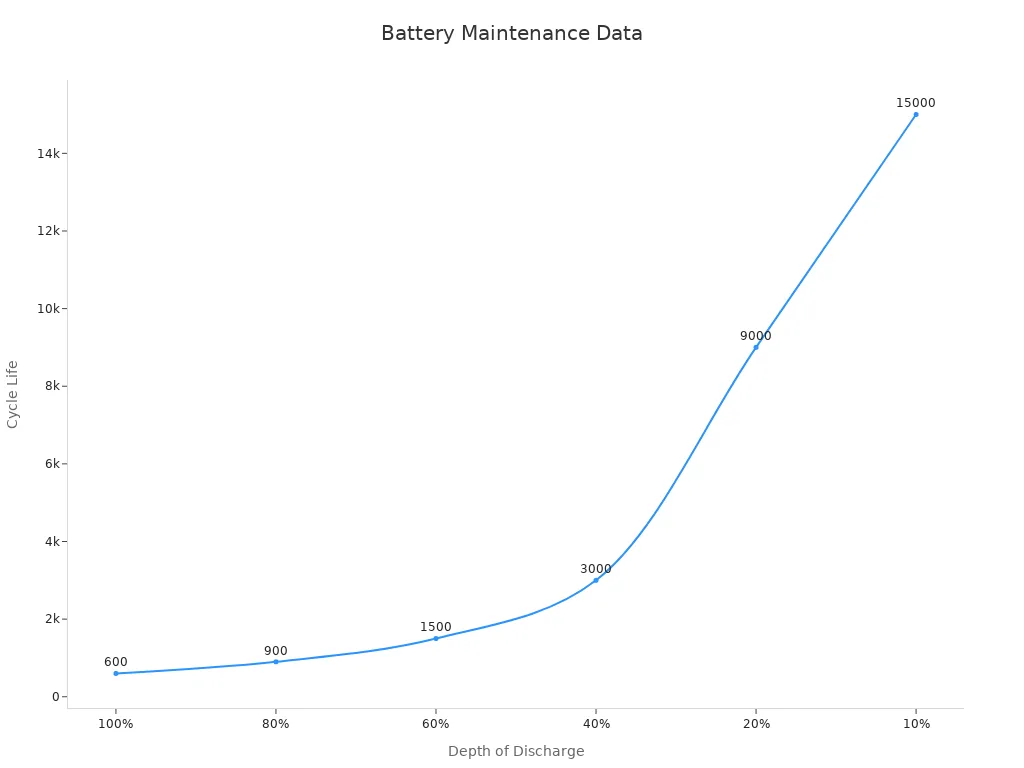
A lower DoD can greatly increase the number of cycles, making condition-based maintenance and real-time monitoring essential for maximizing value and reliability.
Consider Battery Incentives, Warranties, and Long-Term Value
Available Rebates and Tax Credits
Homeowners can reduce the upfront cost of a home energy system by taking advantage of federal and state incentives. The U.S. Department of the Treasury reports that the Residential Clean Energy Credit supports thousands of installations each year. This credit covers up to 30% of the cost for eligible battery systems from 2022 through 2032. The IRS provides detailed guidance on how to claim these credits, with no annual or lifetime limits. The Department of Energy also offers a search tool to help users find current policies and rebates in their area.
| Credit Type | Number of Tax Returns (approx.) | Total Credit Value (USD) | Average Credit per Return (USD) |
|---|---|---|---|
| Residential Clean Energy Credit | 1,246,440 | $6.3 billion | $5,084 |
| - Batteries | 48,840 | Up to 30% of cost | N/A |
| Energy Efficient Home Improvement Credit | 2,338,430 | $2.1 billion | $882 |
Tip: Always check local utility programs for additional rebates or incentives.
Warranty Terms and Support
A strong warranty protects a homeowner’s investment and ensures peace of mind. Most leading manufacturers offer warranties that last 10 years or more. These warranties typically cover defects in materials and workmanship, as well as guaranteed performance levels. Reliable customer support and clear warranty terms help homeowners resolve issues quickly and maintain system performance over time.
Total Cost of Ownership
Evaluating the total cost of ownership means looking beyond the initial purchase price. Homeowners should consider installation, maintenance, and potential savings from incentives. Long-lasting systems with robust warranties often deliver better value over time. By factoring in rebates, tax credits, and reduced energy bills, families can achieve significant long-term savings with a quality battery system.
Get Battery Quotes and Prepare for Installation
Request Multiple Quotes from Reputable Installers
Homeowners benefit from requesting several quotes before selecting a battery installer. Industry benchmarks highlight the advantages of comparing offers from trusted providers:
- Consumers can evaluate system size, cost per watt, equipment quality, warranties, financing options, and projected energy savings.
- Installers often present different pricing and information, so reviewing multiple quotes helps identify the best value, not just the lowest price.
- Increased competition among installers leads to better pricing and improved service.
- Platforms such as EnergySage streamline the process by connecting homeowners with vetted companies.
- Market research confirms that obtaining several quotes empowers consumers to make informed decisions and maximize savings.
Tip: Use reputable online platforms to ensure transparency and access to high-quality installers.
Compare Proposals and Ask the Right Questions
Careful comparison of installation proposals ensures the chosen system meets household needs. The following table summarizes how different battery models perform under realistic conditions, balancing accuracy and complexity:
| Battery Model | Test Conditions | Accuracy (Max Error %) | Complexity | Suitability for BMS and EV Applications |
|---|---|---|---|---|
| Rint | Static and dynamic (HPPC, WLTP) | Up to 2.98% (WLTP) | Low | Suitable for basic applications |
| PNGV | Static and dynamic | 1.32% (WLTP) | Moderate | Good for short-term simulation |
| Thevenin | Static and dynamic | 2.80% (WLTP) | Moderate | Good for dynamic conditions |
| Dual Polarization | Static and dynamic (HPPC, WLTP) | 1.09% (WLTP) | Higher | Most accurate, recommended for dynamic conditions |
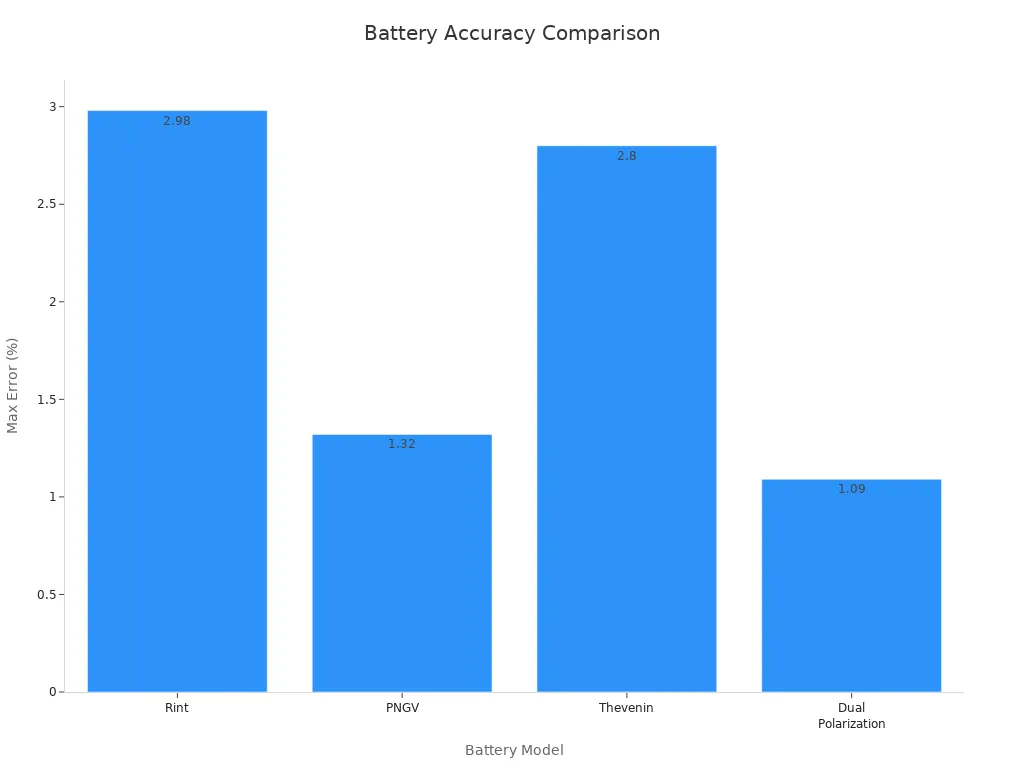
When reviewing proposals, homeowners should ask about model accuracy, warranty coverage, installation timelines, and ongoing support.
Prepare Your Home for Battery Installation
Proper preparation ensures a smooth installation process and long-term system performance. The following steps guide homeowners through the process:
- Review utility bills to assess daily energy consumption.
- Select the right battery type and size based on capacity, cycle life, and cost.
- Evaluate the installation site for temperature, ventilation, and proximity to solar panels.
- Secure all necessary local permits.
- Prepare the area to be clean, accessible, and compliant with safety standards.
- Follow manufacturer instructions for mounting and wiring.
- Test and commission the system for safe operation.
- Document the installation with photos and diagrams.
- Train household members on system use and maintenance.
- Schedule regular maintenance and enable remote monitoring.
Note: Local regulations may require specific permits or certifications, so homeowners should consult local authorities before starting installation.
A step-by-step approach helps homeowners select the right battery for their needs. They can follow these best practices:
- Use a flexible evaluation framework that combines data, sustainability, and trade-off analysis.
- Align technical features with personal energy goals and local requirements.
- Validate decisions with real-world case studies and transparent data.
Taking time to compare options and ask questions leads to confident, cost-effective choices.
FAQ
What is the typical lifespan of a home battery?
Most home batteries last 10 to 15 years. Lithium iron phosphate batteries often exceed 2,000 cycles, providing reliable performance for long-term energy storage needs.
Can homeowners install a battery system themselves?
Professional installation ensures safety and code compliance. DIY installation may void warranties or cause safety risks. Most manufacturers recommend certified installers for optimal results.
How does temperature affect battery performance?
Extreme temperatures can impact battery efficiency and lifespan. Lithium iron phosphate batteries operate well from -20°C to 60°C, making them suitable for various climates.