
 Mobile Generator



EnergyStorageGenerators How They Power the Grid with AC Electricity
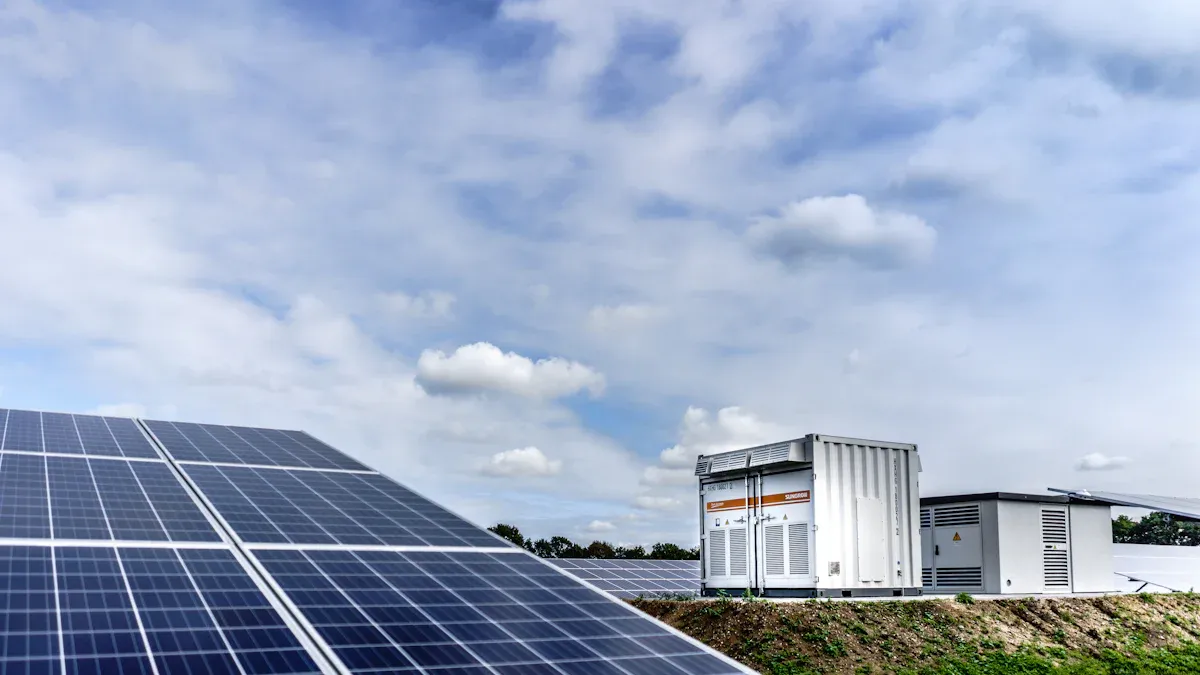
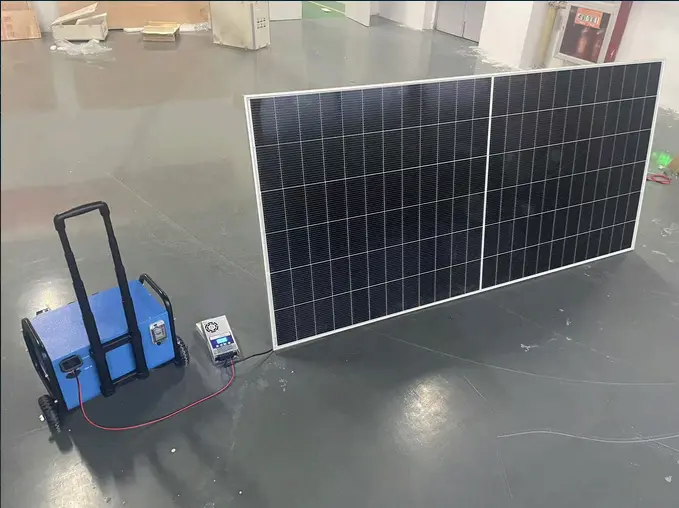
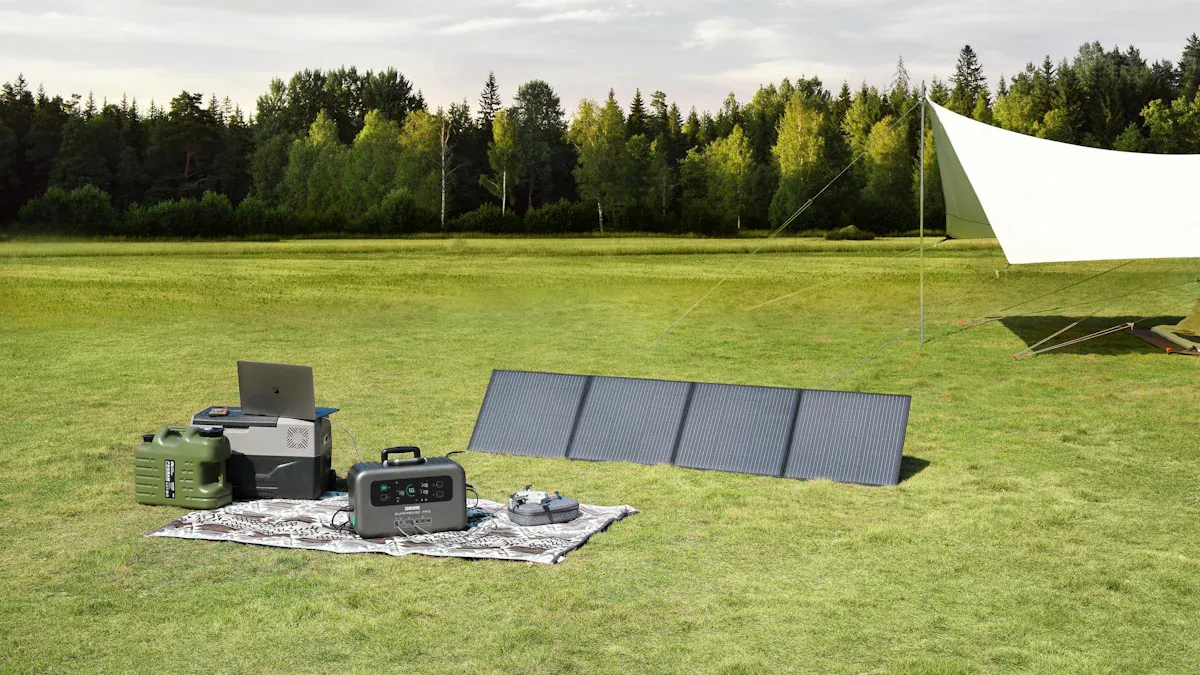
Energy storage generators unlock new possibilities for the power grid. They transform stored energy into AC electricity, supporting grid reliability and flexibility. As battery and hydropower storage grow, these systems minimize outages and keep lights on. 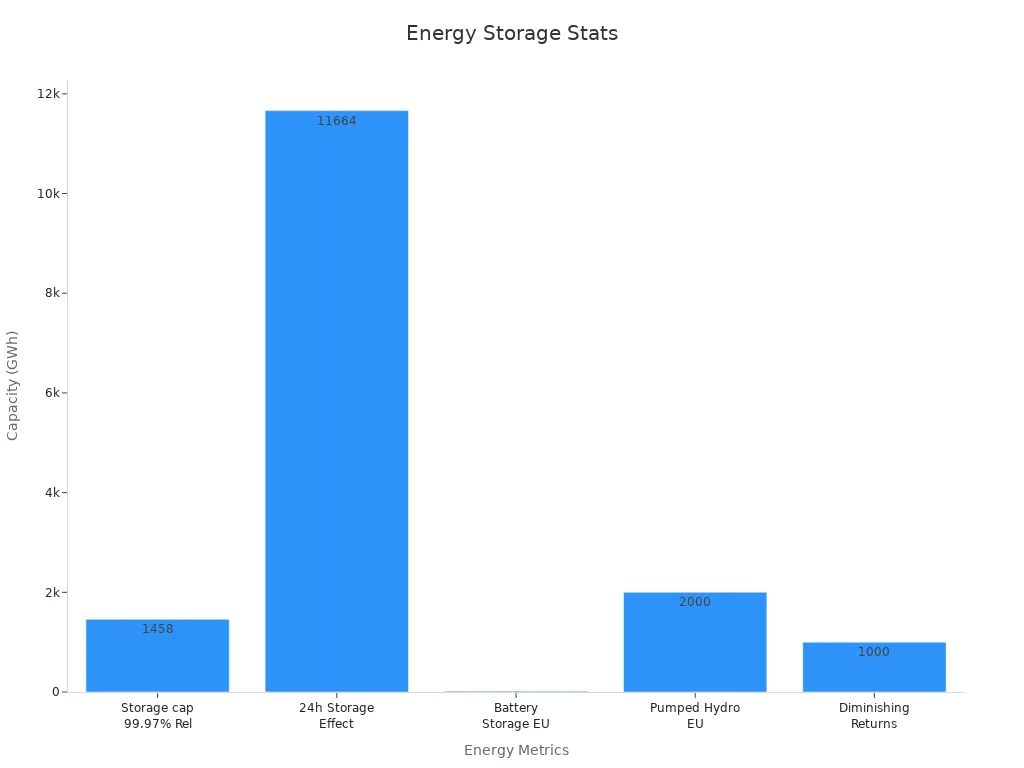
Key Takeaways
- Energy storage generators convert stored energy into AC electricity using batteries, inverters, and control systems to keep the power grid stable and reliable.
- These generators support renewable energy by balancing supply and demand, providing backup power, and helping the grid handle changes in frequency and voltage.
- Using advanced management systems, energy storage generators improve grid flexibility, reduce outages, and lower energy costs, paving the way for a cleaner and stronger energy future.
How Generators Convert Stored Energy to AC Power

Components: Batteries, Inverters, and Control Systems
Energy storage generators rely on a combination of advanced components to deliver reliable AC electricity. Batteries serve as the heart of these systems, storing energy until it is needed. Battery Management Systems (BMS) monitor temperature, voltage, current, and charge status, ensuring safety and efficiency. Power Conversion Systems (PCS) handle the transformation of stored energy, with system voltages ranging from 48V for homes to over 900V for industrial sites. These systems switch in under 200 milliseconds and can deliver power from 5 kW up to 2000 kW, often achieving efficiencies above 95%.
Inverters play a crucial role by converting direct current (DC) from batteries into alternating current (AC) for the grid. There are several types of inverters:
- Square wave inverters: Lower cost, but produce a rougher waveform that may harm sensitive equipment.
- Sine wave inverters: High-quality output, suitable for all loads, but more expensive.
- Modified sine wave inverters: Offer a balance between cost and performance.
Intelligent Energy Management Systems (EMS) oversee the entire process. They provide real-time monitoring and control, optimizing performance and ensuring grid stability. These components work together to create a flexible and reliable energy storage solution.
| Component | Key Specifications/Features |
|---|---|
| Batteries | Monitored by BMS, voltage: 48V–900V+, power: 5–2000 kW |
| Inverters | Types: square, sine, modified sine; convert DC to AC |
| Control Systems | EMS for real-time monitoring, PCS for fast switching (<200 ms) |
Conversion Process: From Storage to AC Output
The journey from stored energy to usable AC power involves several precise steps. During the charging phase, the system draws AC electricity from the grid or renewable sources. Inverters convert this AC into DC, which is then stored in batteries. When the grid or users require power, the discharging phase begins. The stored DC electricity flows from the batteries, and inverters transform it back into AC electricity, ready for delivery.
- Charging phase: The system receives AC electricity, converts it to DC, and stores it in batteries.
- Discharging phase: The stored DC electricity is converted back to AC by inverters and supplied to the grid or appliances.
Power conversion systems use advanced control strategies. They monitor the battery’s state of charge and grid requirements, adjusting the conversion process for maximum efficiency. Control algorithms calculate active and reactive power references, ensuring the AC output matches grid demands. This process achieves high conversion efficiencies. For example, pumped-storage hydroelectricity, a widely used form of energy storage, reaches practical conversion efficiencies between 70% and 80%, with some systems claiming up to 87%. Detailed energy balance frameworks, based on principles like Bernoulli’s theorem, help engineers understand and minimize energy losses during conversion.
High-efficiency AC-DC power converters, using advanced semiconductors, can achieve over 98% efficiency, reducing energy losses and supporting cost-effective production.
Importance of AC Output for the Grid
AC output stands at the core of grid stability and reliability. The grid depends on alternating current for synchronization, voltage regulation, and power sharing. Generators must produce both real and reactive power to maintain stable voltage levels. Reactive power, a unique feature of AC systems, keeps voltage within safe limits and prevents issues like flicker, brownouts, or blackouts.
Modern grids, especially those with high renewable energy penetration, require advanced control frameworks. Inverter-based energy storage systems can emulate the inertia of traditional synchronous generators. This virtual inertia helps stabilize grid frequency and dampen disturbances. Automatic voltage regulators and dynamic reactive power compensation devices further enhance voltage security.
The inertia provided by rotating masses in conventional AC generators acts as a momentary power reserve, stabilizing frequency and preventing rapid fluctuations. As renewable energy sources increase, the grid’s natural inertia decreases, making the role of AC output from storage generators even more critical.
Fundamental studies highlight the importance of AC power dynamics. Proper synchronization, voltage regulation, and power factor control ensure continuous and reliable power supply. Energy storage generators, by delivering high-quality AC output, empower the grid to handle new challenges and support a cleaner, more resilient energy future.
Generators in Grid Integration and Applications
Working with Renewable and Traditional Power Sources
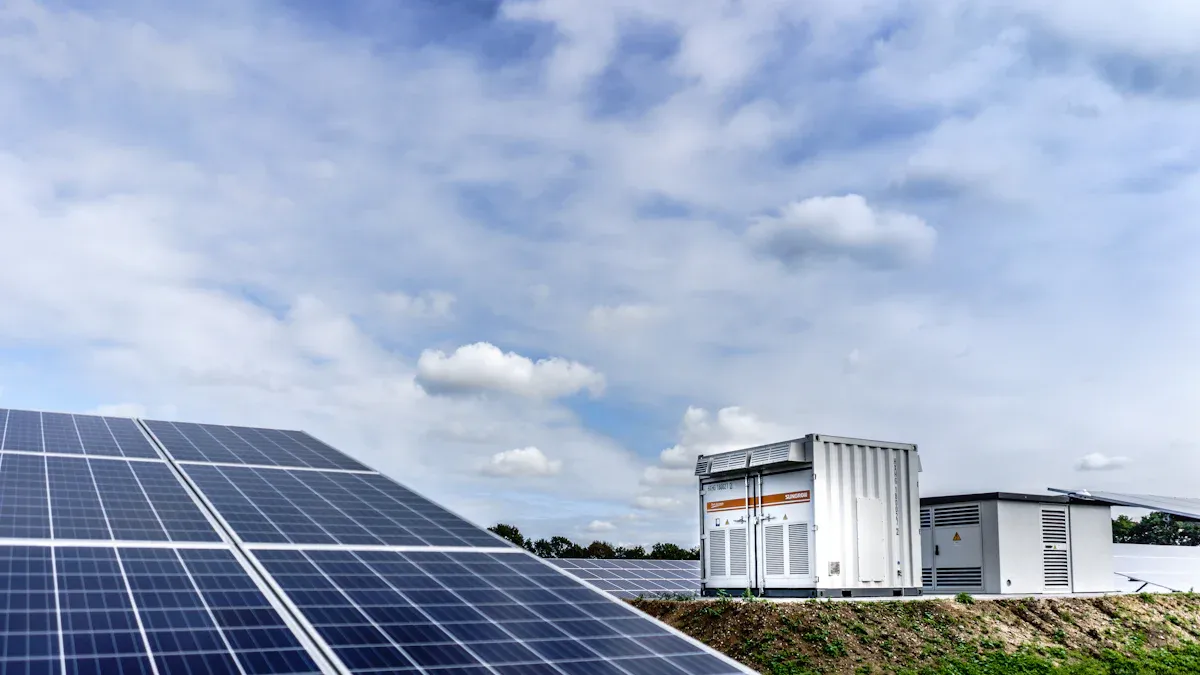
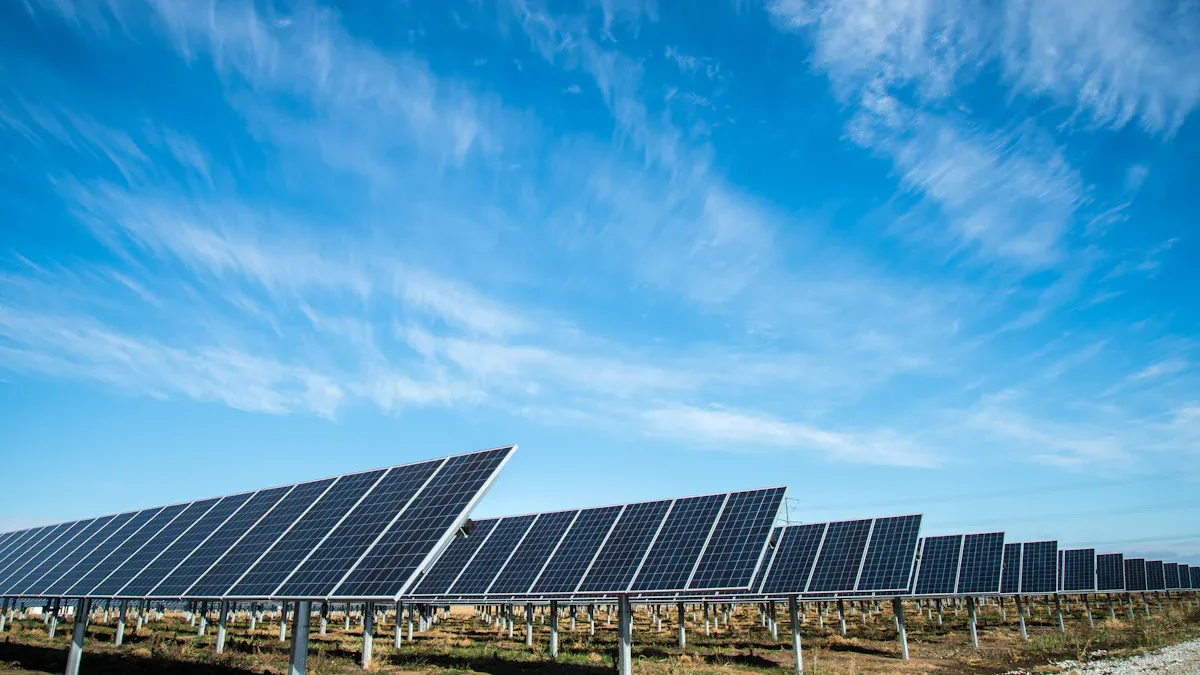
Generators play a vital role in connecting both renewable and traditional power sources to the grid. They help balance the unpredictable nature of solar and wind energy. Energy storage devices like batteries and pumped hydro storage step in when the sun sets or the wind slows. These systems provide backup power, frequency regulation, and load shifting. Hydropower reservoirs store energy as water, releasing it when demand rises. Hybrid systems combine solar, wind, and storage to create a steady power supply. Modern inverters use features like Maximum Power Point Tracking and reactive power support to keep voltage levels stable. Generators with advanced controls can mimic the stability of traditional power plants, making the grid stronger and more flexible.
- Batteries and pumped hydro storage smooth out renewable energy fluctuations.
- Hydropower reservoirs balance supply and demand.
- Hybrid systems reduce unpredictability and improve reliability.
- Modern inverters maximize power extraction and support grid stability.
Enhancing Grid Stability and Reliability
Battery Energy Storage Systems (BESS) improve grid stability by supporting key frequency metrics such as frequency nadir and Rate of Change of Frequency. Proper placement and sizing of these systems reduce risks from low inertia and help maintain voltage within safe limits. The table below highlights important performance metrics for grid stability:
| Performance Metric | Description | Role in Grid Stability and Reliability |
|---|---|---|
| Frequency Stability | Measures grid frequency changes | Maintains stable operation |
| Battery Capacity | Total stored energy | Supports grid during outages |
| Charge-Discharge Rate | Speed of energy transfer | Enables fast response to grid needs |
| State of Charge (SOC) | Real-time battery level | Matches supply with demand |
Benefits: Backup Power, Peak Shaving, and More
Generators offer more than just power delivery. In a large data center, energy storage battery packs provided backup power and peak shaving. The center reduced electricity costs by 20% after installing a system with real-time monitoring. The batteries stored energy during low demand and released it during peak hours. This process stabilized the grid, reduced power swings, and improved equipment reliability. Thermal management technologies extended the life of the equipment. These benefits show how generators support backup power, peak shaving, and load regulation, inspiring a smarter and more resilient energy future.
Energy storage generators shape a brighter energy future.
- They support renewable energy, stabilize the grid, and enable flexible energy management.
- Modern grids use advanced energy management systems, real-time communication, and smart optimization.
- Market forecasts show rapid growth, with energy storage systems expected to reach USD 5.12 trillion by 2034.
FAQ
How do energy storage generators help during power outages?
Energy storage generators provide instant backup power. They keep homes, schools, and hospitals running. Communities feel safer and more confident during emergencies.
Can energy storage generators support renewable energy growth?
Yes! These generators store extra solar and wind energy. They release it when needed. This process inspires more people to choose clean energy.
What makes AC electricity from storage generators important?
AC electricity matches the grid’s needs. It keeps lights on and machines working. Reliable AC power encourages progress and supports a brighter future.