
 Mobile Generator



How Generators Are Shaping Nigeria's Energy Storage Future
Nigeria relies heavily on generators to meet electricity needs, especially when grid power fails. This widespread dependence shapes the country’s energy storage landscape.
| Statistic Description | Value/Percentage |
|---|---|
| Installed decentralized diesel generator capacity | 8 to 14 GW |
| Companies owning or sharing generators | 86% |
| Electricity demand met by private generators | 48% |
High generator use encourages companies to seek better energy storage and hybrid solutions, leading to greater innovation and investment in sustainable technologies.
Key Takeaways
- Generators provide much of Nigeria's electricity due to unreliable grid power, making them essential for homes and businesses.
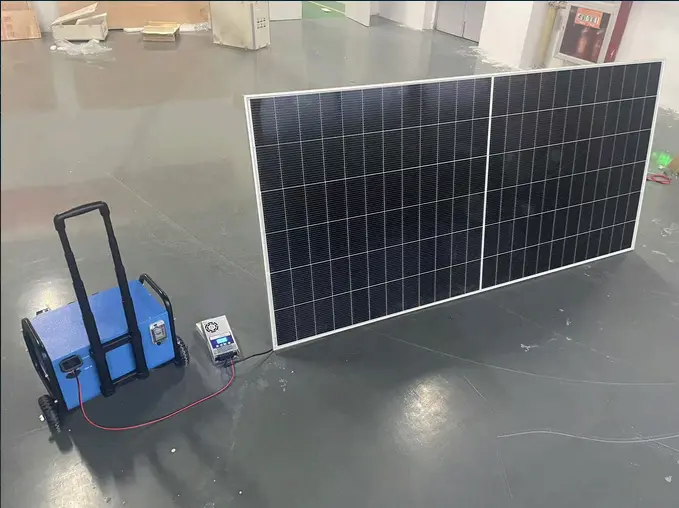
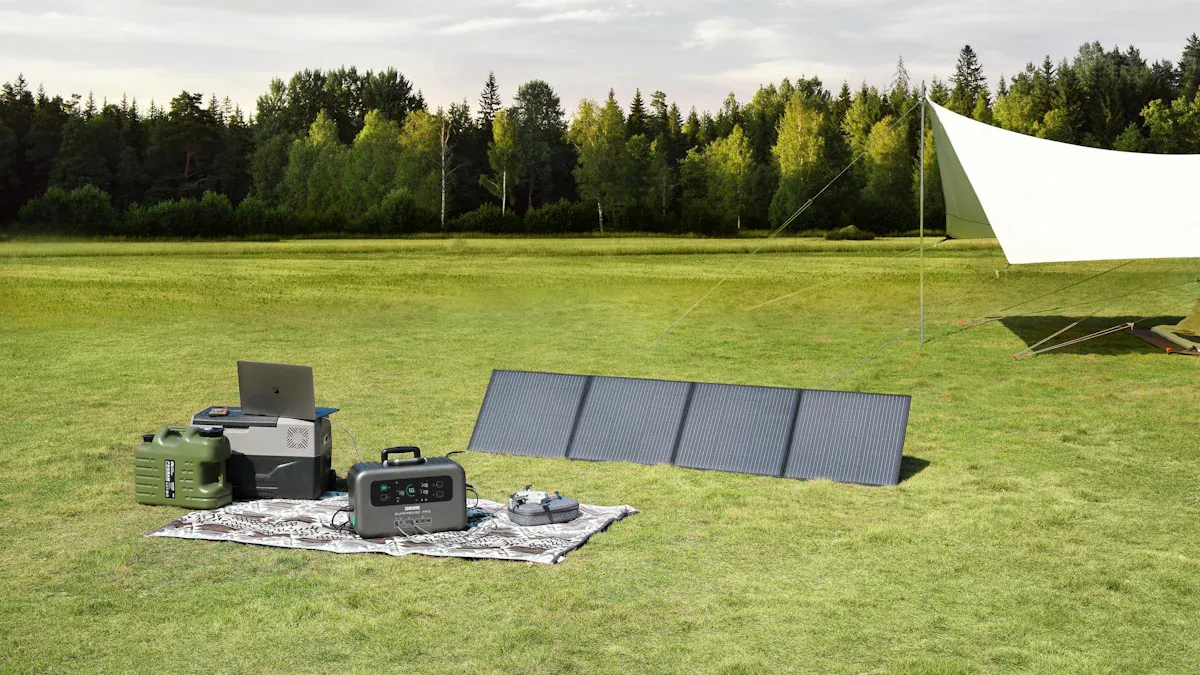
- Hybrid systems that combine solar power, batteries, and generators help reduce fuel costs and improve power reliability.
- Battery storage paired with generators lowers fuel use, cuts pollution, and extends generator life.
- Growing demand for batteries and inverters drives innovation and supports cleaner, more efficient energy solutions.
- Government policies and renewable energy investments offer strong opportunities to build a more affordable and sustainable energy future.
Generator Usage in Nigeria
Widespread Generator Dependence
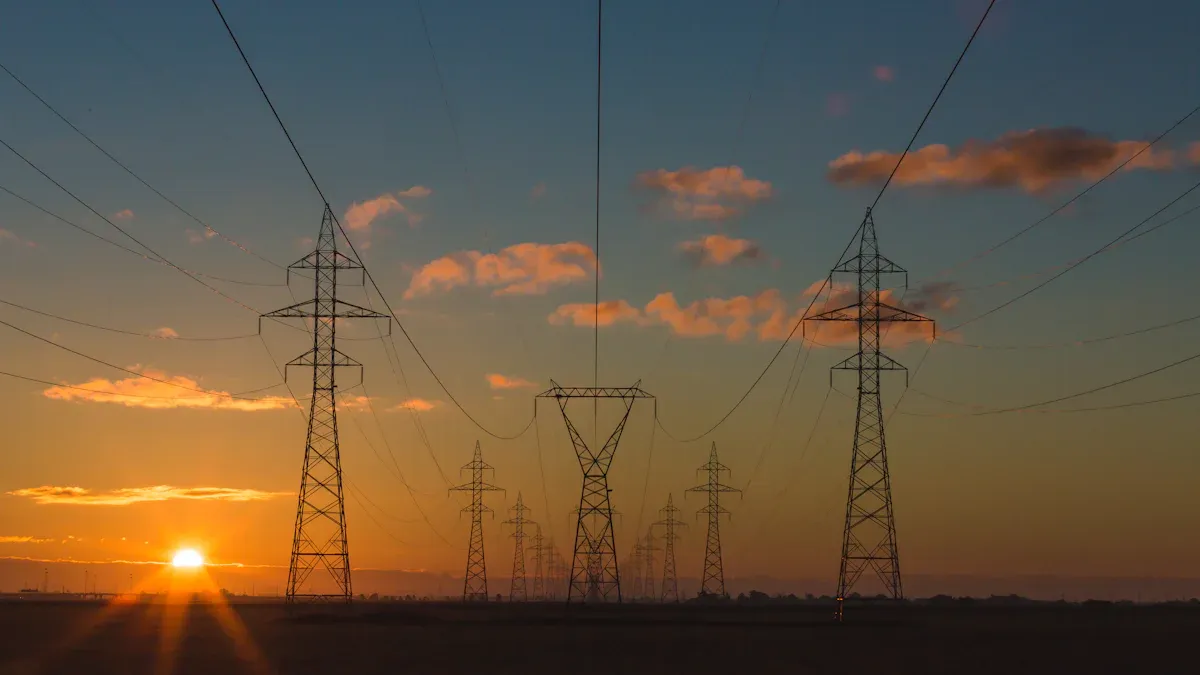
Nigeria’s electricity supply faces significant challenges. The country’s installed electricity capacity exceeds 13.4 GW, but only about 7 GW operates regularly. Actual power delivered to users often falls below 4 GW. In contrast, the estimated total generator capacity ranges from 8 to 13 GW. This means that generators provide as much or even more power than the national grid in many areas.
| Metric | Capacity (GW) |
|---|---|
| Installed electricity capacity | >13.4 |
| Operating capacity | ~7 |
| Actual power dispatch to users | <4 |
| Estimated total generator capacity | 8 to 13 |
These numbers show that many homes and businesses depend on generators to meet their daily energy needs. The gap between installed and delivered grid power drives this widespread reliance.
Bridging Power Supply Gaps
Generators play a key role in filling the gaps left by unreliable grid electricity. For example:
- During the 2018 measles vaccination campaign in Lagos, health officials used generators to keep cold stores running for at least 12 hours each day.
- Local governments provided funds for generator fuel to ensure vaccines stayed cold.
- Reliable power from generators kept ice packs frozen and protected vaccine quality.
This example highlights how generators support essential services when the grid cannot deliver steady power.
Economic and Social Impact of Generator Use
Generator use affects both the economy and society. Studies show that before mini-grids arrived, 55% of households relied on petrol generators. After connecting to mini-grids, only 1% continued using them, and 91% switched to the new power source. The use of unclean energy sources dropped from 66% to 19%. Many households bought new appliances, and academic performance improved in 46% of homes and 92% of schools. Businesses also changed: 73.7% of owners stopped using petrol or diesel generators after mini-grid installation, keeping them only as backups. These changes show that while generators fill a vital gap, better energy solutions can improve lives and reduce costs.
Generator Trends and Energy Storage
Hybrid Generator and Solar Systems
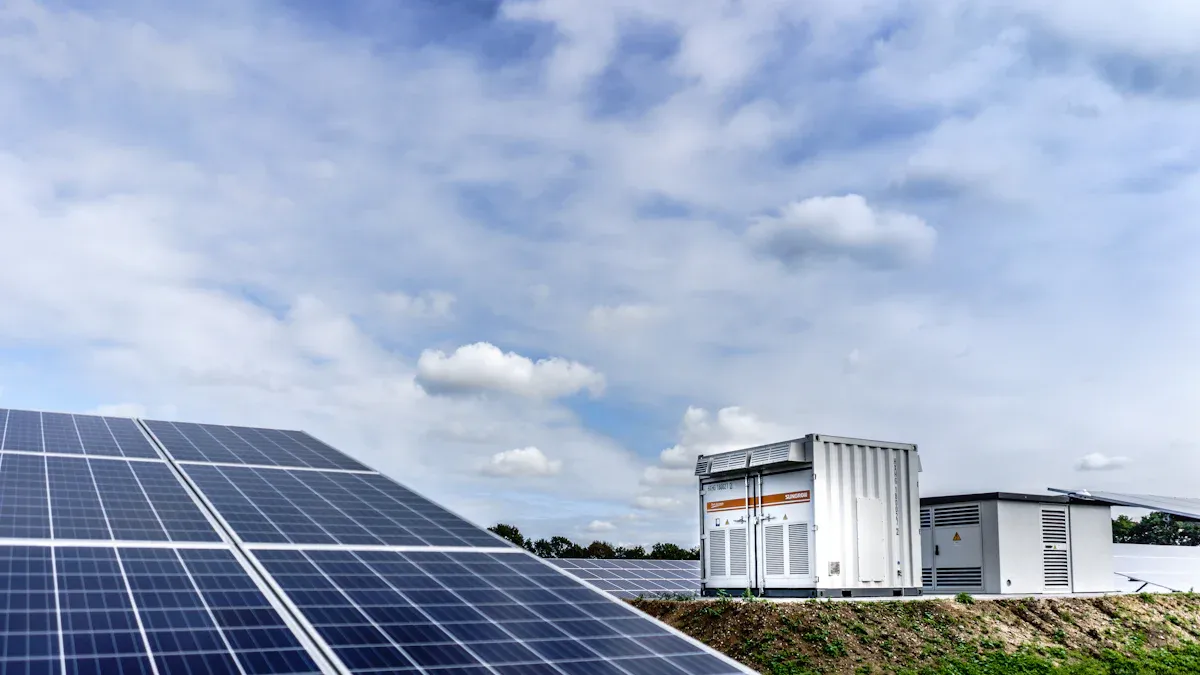
Hybrid systems that combine solar power, battery storage, and backup generators are changing how businesses and communities in Nigeria manage energy. Real-world projects show strong results. For example, a 0.6 MW food processing plant and a 4 MW brewery both use hybrid solar and generator setups. These businesses have seen energy costs drop by as much as 44%. They also report better operational efficiency and more reliable power. In one wood factory, the hybrid system helped cut energy costs nearly in half. These systems often include power availability guarantees, which build trust with customers. Studies in southern Nigeria confirm that hybrid systems lower the cost of electricity compared to using only diesel. Hospitals and urban homes benefit the most, as these systems reduce fuel use and keep power steady. In remote communities, careful planning of solar and battery sizes leads to better use of solar energy for both homes and businesses. Hybrid systems help Nigeria move toward more efficient and cost-effective energy solutions.
Advances in Generator Fuel Efficiency
Recent advances in generator technology have made fuel use more efficient and affordable. The table below highlights key statistics from Nigerian power stations and large-scale projects:
| Scenario | Fuel Cost Savings |
|---|---|
| Varying operating hours, constant power output | 3% |
| Varying generated power (18 MW to 25 MW), fixed hours | 32% |
Engineers use advanced tools like MATLAB and SIMULINK to optimize how generators run. These improvements can save millions of dollars each year. For example, internal combustion engine (ICE) power plants save $11 to $17 million per year compared to combined cycle gas turbines. ICE plants work well in hot climates, use less water, and can run on different fuels. These features help Nigeria reduce its reliance on expensive diesel and support a more stable energy system.
Generator Integration with Battery Storage
Battery storage now plays a key role in modern energy systems. When paired with generators, batteries store extra energy during low-demand periods and release it when needed. This setup reduces fuel use and lowers costs. Businesses and homes can rely on batteries for short outages, using the generator only when necessary. This approach extends the life of the generator and cuts down on noise and pollution. As battery prices fall and technology improves, more Nigerians are choosing systems that combine batteries with generators. This trend supports a cleaner, more reliable energy future.
Generator Impact on the Energy Storage Market
Demand for Batteries and Inverters
Nigeria’s frequent power outages have increased the need for reliable backup power. Many homes and businesses now use batteries and inverters to store electricity for use during blackouts. This demand has grown as more people look for ways to reduce fuel costs and noise from traditional backup systems. Batteries and inverters help users save money by storing energy when it is available and releasing it when needed. These devices also support hybrid systems that combine solar panels with backup power, making energy use more efficient.
Market Growth and Innovation Driven by Generators
The energy storage market in Nigeria continues to expand as new technologies and solutions appear. Several factors drive this growth, including urbanization, infrastructure development, and advances in generator technology. The table below highlights key insights from recent market research:
| Aspect | Key Insights |
|---|---|
| Market Drivers | Power outages, infrastructure development, urbanization, technological advancements in generator technology. |
| Generator Types | Portable, Stationary, Inverter, Solar Generators with market valuations and growth projections. |
| Fuel Sources | Diesel (dominant), Gasoline, Natural Gas, Propane, Solar; each with unique market roles and growth trends. |
| Applications | Residential, Commercial, Industrial, Emergency Backup sectors driving demand. |
| End-Use Sectors | Construction, Events, Home Use, Telecommunications with growing reliance on generators. |
| Regional Insights | Nigeria included in Africa region; growth driven by infrastructure and urbanization. |
| Technological Innovations | Fuel-efficient engines, noise reduction, smart monitoring, low emission models enhancing market appeal. |
Market trends show that hybrid diesel generators with multi-fuel capability and longer life are becoming more popular. The 351-1000 kVA segment dominates because it balances power and efficiency, making it suitable for commercial and industrial use. The government’s focus on infrastructure and industrialization increases the need for reliable backup power. Companies now invest in fuel-efficient engines, smart monitoring, and low-emission models. These innovations help reduce costs and improve the reliability of energy supply.
Changing Consumer Preferences
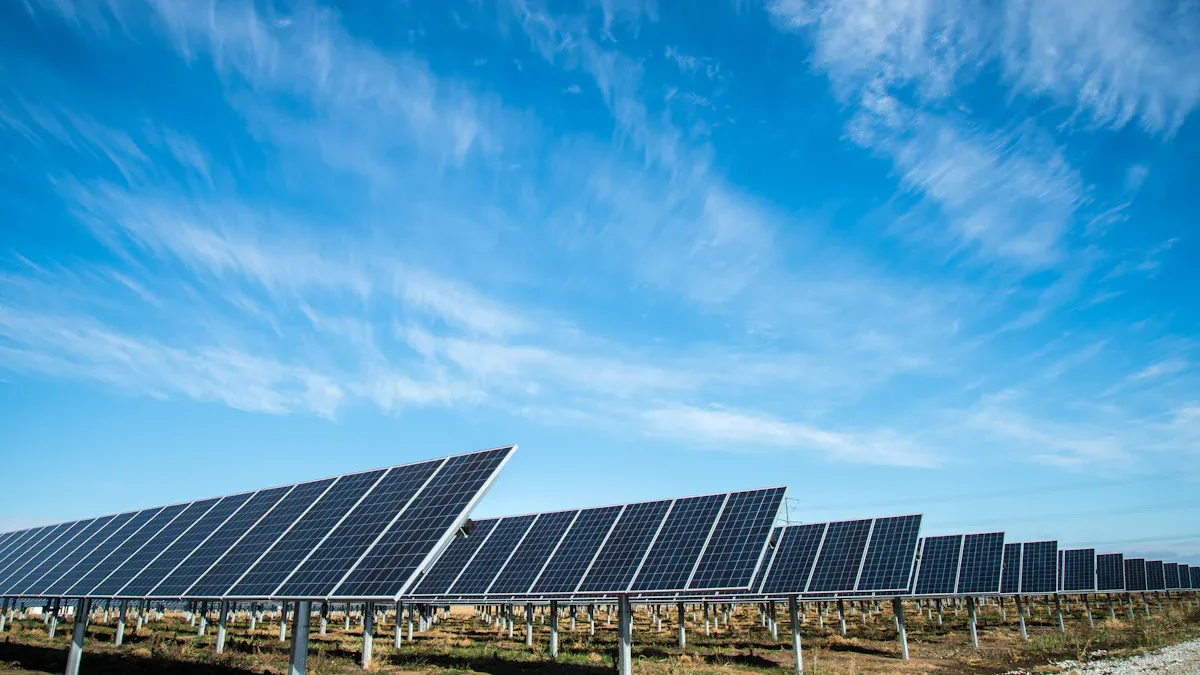
Consumer preferences in Nigeria’s energy market are shifting. Many people now choose solar power combined with energy storage instead of relying only on diesel or petrol generators. This change comes from the need for more dependable and cleaner power. Distributed solar power has grown, supported by new solar technology and pay-as-you-go financing. These options make solar and storage systems more affordable and scalable. Hybrid solar PV-diesel systems now power factories, schools, and hospitals. People want energy solutions that are reliable, cost-effective, and easy to expand. As a result, the market sees more demand for renewable energy and storage, showing a clear move toward sustainable power.
Generator Challenges and Opportunities
Cost and Infrastructure Barriers
Many Nigerian businesses and households face high costs and infrastructure challenges when seeking reliable electricity. The price of self-generated electricity can reach $0.44 per kWh, while grid electricity costs only $0.06 per kWh. In Lagos, urban users often spend nearly half of their monthly income on backup power. The following table highlights the financial impact:
| Aspect | Value |
|---|---|
| Cost of generator electricity | $0.44 per kWh |
| Cost of grid electricity | $0.06 per kWh |
| % of monthly income spent on generators | 48% |
Firms that generate their own power avoid some outage losses, but they still pay significant amounts each month. For example, the total monthly cost of power generation in industry can reach ₦45,811,859. Many firms would pay up to 15% more of their annual sales to avoid outages. These high costs show the need for better infrastructure and more affordable solutions.
Policy and Regulatory Developments
Government policies play a key role in shaping Nigeria’s energy future. Several studies and programs guide the transition to cleaner energy and improved storage.
- The SEforALL study in Lagos State mapped about 4.5 million fossil fuel gensets and helped design a program to replace them with solar and storage solutions.
- Nigeria’s Renewable Energy Master Plan aims to raise the share of renewables to 36% by 2030.
- The government invests in hydroelectric projects and grid modernization.
- The Power Sector Recovery Program and Presidential Power Initiative focus on grid stability and capacity.
- Contracts with Siemens AG support automation and technical training for better integration of distributed energy.
- International funding from the World Bank and African Development Bank supports mini-grids and solar home systems.
These efforts help reduce reliance on fossil fuels and encourage the use of energy storage.
Opportunities in Renewables and Local Manufacturing
Nigeria has strong opportunities to expand renewable energy and local manufacturing.
- The country imports large numbers of diesel generators due to unreliable grid power, but renewable energy can offer a cost-competitive alternative.
- Renewable electricity often matches or beats the cost of diesel power, making it attractive for businesses and households.
- Nigeria’s renewable energy capacity remains mostly untapped, with less than 2,000 MW installed.
- The country has significant bioenergy potential from agricultural and forestry waste, which can replace diesel and gas in many sectors.
- The agri-food sector, especially in processing crops like rice and cassava, can benefit from local bioenergy solutions.
- Companies can succeed by partnering with local entities, adapting to regulations, and selling directly to clients.
These opportunities can help Nigeria build a more resilient and sustainable energy system.
Generator and the Future of Energy Storage
Evolving Role in Nigeria’s Energy Mix
Nigeria’s energy system has changed over time. The national grid has an installed capacity of more than 13.4 GW, but only about 7 GW operates regularly. Actual electricity delivered to users often falls below 4 GW. Because the grid cannot meet demand, people and businesses rely on self-generation. The total capacity of these systems ranges from 8 GW to 13 GW. In Lagos State, which produces 27% of Nigeria’s GDP, the grid supplies only about 20% of electricity needs. This gap forces many to use diesel and petrol systems. Over the next decades, Nigeria’s power system will shift from fossil fuels and hydropower to more renewable energy, especially solar. This transition will reduce the need for fossil-based backup and support a cleaner energy mix.
Cleaner and Smarter Storage Solutions
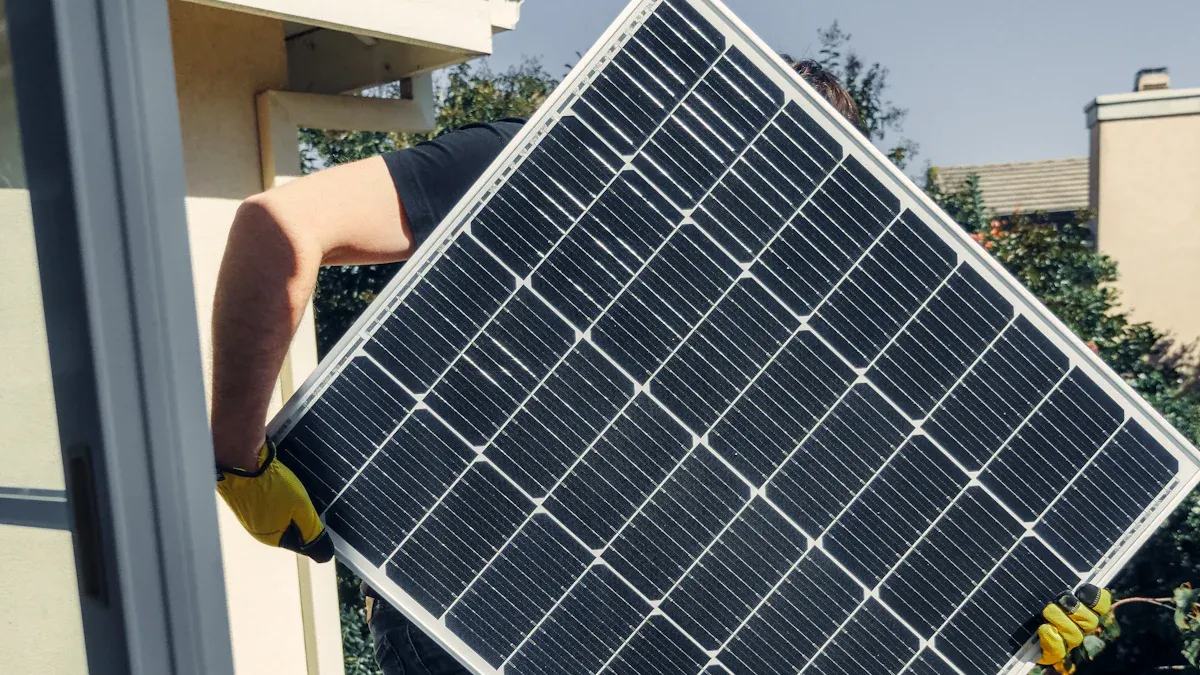
New storage solutions help Nigeria move toward a cleaner future. Solar panels and batteries now work together to provide steady power. These systems store energy during the day and release it at night or during outages. Smart controls help manage when to use stored energy and when to draw from the grid. As technology improves, these solutions become more affordable and reliable. People can use less fuel and reduce pollution. Hospitals, schools, and factories benefit from these changes. They get more dependable power and lower costs.
Pathways to a Resilient Energy Future
Researchers have studied how Nigeria can build a strong and reliable energy system. The table below shows key findings from a study that modeled the country’s path to 100% renewable energy by 2050:
| Aspect | Description |
|---|---|
| Study Focus | Transition to 100% renewable energy by 2050 |
| Key Technologies | Solar PV, batteries, other renewables |
| Model Resolution | Hourly simulation, updated every 5 years |
| LCOE (Best Policy) | Drops from 54 €/MWh (2015) to 46 €/MWh (2050) |
| LCOE (With Sector Coupling) | Falls to 35 €/MWh |
| Policy Implications | Stable policies are critical for success |
This research shows that Nigeria can lower energy costs and improve reliability by using more renewables and storage. Stable government policies and investment in new technology will help the country reach these goals.
Nigeria’s energy system continues to evolve as new storage solutions emerge. Several factors confirm the ongoing importance of self-generated power:
- Manufacturers produce about 72% of the electricity needed for their operations.
- National power plants run below capacity, with hydro, gas, and steam turbines sharing the load.
- Outages remain frequent, with the manufacturing sector facing hundreds each year.
- Industrial investment in alternative electricity sources reaches 20% of total spending.
These trends drive growth and innovation in energy storage. Businesses and consumers now find more opportunities for reliable and sustainable power.
FAQ
What role do generators play in Nigeria’s energy storage market?
Generators provide backup power during outages. They drive demand for batteries and inverters. Many businesses and homes use generators with storage systems. This combination helps people manage unreliable grid electricity and supports the growth of the energy storage market.
How do hybrid generator and solar systems benefit users?
Hybrid systems combine solar panels, batteries, and generators. Users save money on fuel and get more reliable power. These systems reduce pollution and noise. Many hospitals, factories, and homes in Nigeria now use hybrid setups for better energy security.
Are battery storage solutions becoming more affordable in Nigeria?
Battery prices have dropped in recent years. More people can now afford to buy batteries for backup power. Improved technology and local suppliers help lower costs. This trend makes energy storage more accessible for Nigerian families and businesses.
What challenges do Nigerians face with generator use?
High fuel costs and maintenance expenses create problems. Generators also cause noise and air pollution. Many people spend a large part of their income on fuel. These challenges push users to look for cleaner and cheaper energy options.
Can renewable energy fully replace generators in Nigeria?
Renewable energy can meet most power needs with the right investment. Solar and battery systems work well for many users. However, generators still provide backup during long outages. Over time, renewables and storage will reduce the need for fossil fuel generators.