
 Mobile Generator



How to Stay Connected Off-Grid with a Power Bank for Camping
.jpg)
When I head into the wild, I want to stay connected and safe. A power-bank helps me do just that. I can charge my phone, light up my tent, and even power small appliances, all while surrounded by nature.
For example, during a weekend camping trip, I use a power-bank to keep four phones charged for two hours and run an LED lantern for six hours.
| Device/Appliance | Usage Duration (hours) |
|---|---|
| Phone Charging (4 phones) | 2 |
| LED Lantern | 6 |
With the right power-bank, I never have to worry about running out of energy in the great outdoors.
Key Takeaways
- A power-bank keeps your devices charged and ready, helping you stay safe and connected while camping off-grid.
- Choose a rugged, weather-resistant power-bank with enough capacity and multiple ports to charge all your devices.
- Use energy-saving habits like airplane mode and low brightness to extend your device and power-bank battery life.
- Solar charging and wireless charging add convenience but work best as backup options alongside regular charging.
- Handle and store your power-bank carefully to keep it safe, reliable, and long-lasting during outdoor adventures.
Power-Bank Basics for Camping
What Is a Power-Bank?
When I first started camping, I wondered how I could keep my devices charged far from home. That’s when I discovered the power-bank. A power-bank is a portable battery that stores energy so I can charge my phone, camera, or even a small lantern anywhere. It feels like carrying a little piece of home electricity in my backpack.
I always look for features that make a power-bank perfect for outdoor adventures. Here’s a quick look at what I find most important:
| Component / Function | Description |
|---|---|
| Robust Housing | Protects against knocks and drops during hiking and camping. |
| IP65 Certification | Keeps out dust and rain, so I don’t worry about the weather. |
| Rechargeable Batteries | Let me use and replace batteries for longer life and less waste. |
| USB-A and USB-C Ports | Charge different devices at the same time, including modern phones and tablets. |
| Charge Level Indicator | Shows me how much power I have left, so I can plan my usage. |
| High Capacity | Gives me enough energy for several charges on long trips. |
| Fast Charging Times | Gets the power-bank ready quickly, so I spend less time waiting. |
| Double Short-Circuit Protection | Keeps me and my devices safe from electrical problems. |
| Low Current Charging Function | Charges small gadgets like headsets without any trouble. |
| Compatibility | Works with other outdoor gear, making my setup more flexible. |
How a Power-Bank Works Off-Grid
When I camp off-grid, I rely on my power-bank to keep me connected and safe. I use a few simple tricks to make sure I get the most out of every charge:
- I turn on airplane mode and close apps I don’t need. This saves battery on my phone.
- I keep my power-bank inside my backpack or close to my body in cold weather. This helps it work better, since cold can drain batteries fast.
- I use short, high-quality cables to charge my devices. This reduces power loss.
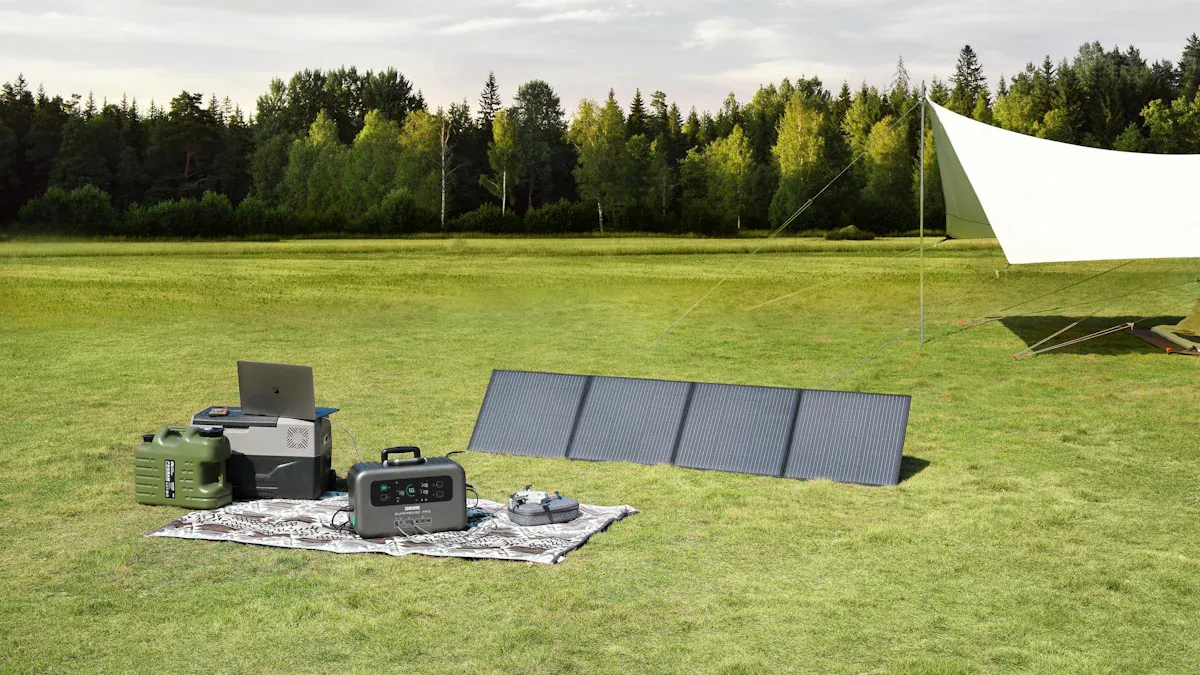
- I try to charge my power-bank during the day if I have a solar panel. I place the panel in direct sunlight and angle it to follow the sun.
- I always check the charge level indicator before heading out, so I know how much energy I have left.
Tip: I never leave my power-bank in direct sunlight or extreme heat. I store it in a cool, dry place to keep it working well for years.
With these habits, I feel confident and ready for any adventure. My power-bank becomes my lifeline, making every trip safer and more enjoyable.
Benefits of Using a Power-Bank While Camping
Charging Phones, GPS, and Other Devices
When I camp, my phone becomes my camera, my map, and my alarm clock. I rely on it for almost everything. A power-bank keeps my phone charged, so I never miss a photo or lose my way on the trail. I also use it to power my tablet for reading, my LED camping light for nighttime, and my camera for capturing memories. Sometimes, I even charge my portable speaker to enjoy music by the campfire.
| Device | Typical Power Consumption (mAh) |
|---|---|
| Smartphone | 3,000–5,000 per full charge |
| Tablet | 6,000–10,000 per full charge |
| LED Camping Light | 2,000–4,000 for several hours of use |
| Camera | 1,500–2,500 per charge |
| Portable Speaker | 1,000–2,500 for several hours of playtime |
| Portable Fan | 2,000–5,000 for extended use |
I feel prepared knowing I can keep all my essential devices powered up, no matter how far I wander.
Emergency Preparedness and Safety
Staying safe outdoors matters to me. My power-bank helps me keep my phone ready for emergencies. If I need to call for help or check the weather, I know my phone will work. Some power banks even have built-in flashlights with SOS and strobe modes. These features help me signal for help or light my way in the dark. I choose a rugged power-bank that works in rain, dust, or cold. Large battery capacity means I can charge my devices many times, even during long trips. Solar charging gives me extra peace of mind when I am far from outlets.
| Feature / Scenario | How It Helps Me Stay Safe |
|---|---|
| Keeping Devices Charged | I can call for help and get information in emergencies. |
| Built-in Flashlight | I see in the dark and signal for help if needed. |
| Rugged Design | My power-bank works even in tough weather. |
| Large Battery Capacity | I stay powered during long trips or emergencies. |
| Solar Charging | I recharge my power-bank when I am off-grid. |
Convenience and Peace of Mind
I love the freedom that comes with camping. My power-bank gives me confidence to explore without worry. I know my devices will stay charged, even if I am far from civilization. Many power banks have strong, waterproof cases and safety features like overheating protection. Some even include extra tools like a compass or whistle. I feel calm knowing my power-bank can handle rain, bumps, and cold. Solar charging lets me keep going, even on long adventures. With all these features, I can focus on enjoying nature and making memories.
Tip: I always check my power-bank before each trip. This simple habit helps me feel ready for anything.
How to Choose the Right Power-Bank for Camping

Battery Capacity and Device Compatibility
When I plan a camping trip, I always start by thinking about how many devices I need to charge and for how long. I want to make sure my phone, camera, and lantern all stay powered. The battery capacity of a power-bank tells me how much energy it can store. For multi-day trips with several devices, I look for a power-bank with at least 20,000mAh. This gives me enough power to charge my phone and other gadgets more than once.
Here’s a table that helps me decide what capacity I need:
| Battery Capacity | Usage Recommendation | Example Products | Notes |
|---|---|---|---|
| At least double the mAh of your phone | To charge a phone twice | N/A | Good for single device charging |
| 20,000mAh or more | Charging multiple devices over multiple days | RAVPower 22000mAh, EasyAcc 20000mAh, Anker PowerCore 20100mAh | Balances capacity, portability, and durability |
| Around 8,000mAh (solar) | Limited for multiple charges, 1-2 phone charges | iClever USB Solar Charger 8000mAh | Solar charging is slower, less reliable for many devices |
I also check if the power-bank matches my devices. I follow these steps to make sure everything works together:
- I check that the output voltage of the power-bank matches my device’s input voltage.
- I look for the right charging ports, like USB-A or USB-C, for my phone or tablet.
- I choose brands I trust, so I know the voltage is safe and steady.
- I make sure the power output is standard, so my devices charge safely.
Tip: I always bring the right cables for each device. This way, I never get stuck with a dead battery in the wild.
Durability and Weather Resistance
Nature can be tough, so I want a power-bank that can handle drops, rain, and dust. I look for sturdy materials and special certifications that show the power-bank is ready for outdoor life. Shock-absorbent cases and rugged exteriors help protect against bumps and falls. Water-resistant designs keep my power-bank safe during sudden rain or when I set it down on wet grass.
Here are some features and certifications I look for:
- Shock-absorbent materials to survive drops.
- Rugged exteriors for extra protection.
- IP ratings like IP65, which means dust-tight and resistant to water jets.
- Water-resistant designs for rainy days.
- Built-in flashlights and SOS modes for emergencies.
| Feature/Certification | Description | Outdoor Use Benefit |
|---|---|---|
| IP65 | Resistant to low-pressure water jets | Protects against light rain and splashes |
| IP67 / IP68 | Water immersion resistance | Good for accidental submersion or river crossings |
| MIL-STD-810G | Military-grade drop/shock certification | Ensures shockproof and drop resistance |
| Anodized Aluminum | Durable, scratch-resistant metal finish | Protects against damage and UV exposure |
| Reinforced Polycarbonate | Tough plastic, impact-resistant | Adds strength and scratch resistance |
| Elastomeric Compounds | Flexible, shock-absorbing materials | Prevents damage from drops |
| Sealed Ports with Flaps | Keeps dust and water out | Maintains internal protection |
| Thermal Management | Controls temperature in extreme conditions | Prevents overheating or shutdown |
I feel confident when I know my power-bank can handle whatever the outdoors throws at it. I never worry about a little rain or a rough trail.
Charging Speed and Input/Output Options
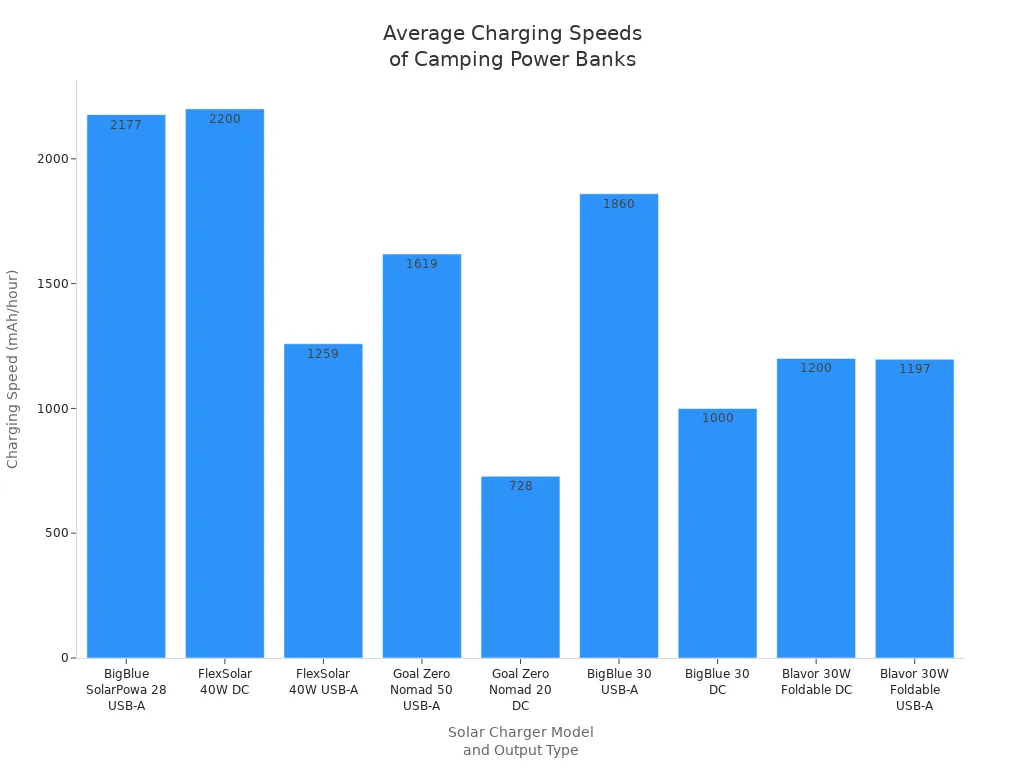
Fast charging matters to me, especially when I have limited time or sunlight. I want my devices ready to go, not stuck waiting for a slow charge. I look for power-banks with fast-charging ports, like USB-C PD or Quick Charge 3.0. These ports can fill up my phone or tablet much faster than regular ones.
Here’s a chart showing how different solar chargers perform in camping situations:
I also pay attention to the number and type of ports. Multiple USB-A and USB-C ports let me charge several devices at once. Some power-banks even have AC outlets for small appliances. I love having a wireless charging pad on top, so I can just set my phone down and power up without any cables.
- Multiple output ports mean I can charge my phone, GPS, and lantern at the same time.
- Fast-charging ports save me time and keep my devices ready.
- Input ports that support fast charging help me recharge the power-bank quickly, so I spend less time waiting.
- A multi-port design makes my camping setup more flexible and efficient.
Note: I always check the specs before I buy. The right combination of speed and ports makes my camping experience smooth and stress-free.
Extra Features Like Solar Charging and Wireless Charging
When I camp off-grid, I look for extra features that make my experience easier and more enjoyable. Solar charging and wireless charging stand out as game-changers for me. These features help me stay powered up, even when I am far from any outlet.
Solar Charging: Harnessing the Sun’s Power
I love using solar charging because it lets me turn sunlight into energy for my devices. This feels like magic when I am deep in the woods or high in the mountains. Solar charging gives me freedom and peace of mind, knowing I can recharge my power-bank anywhere the sun shines.
Here are some reasons I find solar charging so valuable:
- Solar power banks use clean, renewable energy. I help the planet every time I charge up.
- They are lightweight and easy to carry. I never feel weighed down on the trail.
- Over time, I save money because I do not need to buy extra batteries or use electricity from home.
- I can charge my phone, tablet, or camera off-grid, which is perfect for camping and hiking.
- Many models let me charge from both the sun and a wall outlet, so I always have options.
- Solar charging works best in direct sunlight, but I can still get some power on cloudy days.
I always remember that solar charging works best as a backup. I use it to top up my power-bank during the day, then rely on stored energy at night. When I plan my trip, I check the weather. Cloudy or rainy days slow down solar charging, so I do not depend on it as my only source.
| Aspect | Advantages | Limitations |
|---|---|---|
| Environmental Impact | Uses renewable solar energy, reducing reliance on fossil fuels and lowering carbon footprint | N/A |
| Portability & Durability | Designed for outdoor use with rugged casing, water resistance, and dust proofing | Slightly larger and heavier than traditional power banks due to solar panel integration |
| Charging Capability | Can charge devices off-grid, useful for camping and emergencies | Solar panels are small and low efficiency, leading to slow charging times |
| Weather Dependency | Can charge in partly cloudy conditions but best in direct sunlight | Charging effectiveness drops significantly in cloudy or rainy weather |
| Hybrid Charging | Can be charged via mains power as well, allowing stored energy to be topped up by solar | Solar charging should be supplementary, not primary charging method |
| Additional Features | Built-in flashlights, multiple USB ports, wireless charging options | N/A |
| Practical Use Cases | Ideal for camping, hiking, emergencies, and off-grid adventures | Not ideal for everyday fast charging needs where wall outlets are available |
Tip: I always place my solar power bank in direct sunlight and adjust its angle to follow the sun. This helps me get the most energy during the day.
Wireless Charging: No Cables, No Hassle
Wireless charging feels like a small luxury when I am outdoors. I just set my phone on the charging pad and watch the battery fill up—no cables, no searching for the right port. This feature saves me time and keeps my gear organized.
I use wireless charging for my phone and earbuds. It works great when I want to charge quickly before heading out for a hike. I do not worry about tangled cords or lost adapters. My campsite stays neat, and I feel more relaxed.
How I Maximize These Features
I follow a few simple steps to get the most from solar and wireless charging:
- I position my solar power bank in direct sunlight, angled toward the sun.
- I move it throughout the day to catch the most rays.
- I use solar charging as a backup, not my main source.
- I combine solar charging with wall or car charging before my trip.
- I check the weather and plan for cloudy days.
These extra features help me stay connected and confident, no matter where my adventure takes me. I feel inspired to explore further, knowing my power-bank has my back.
Maximizing Power-Bank Efficiency Outdoors
Energy-Saving Tips for Devices
When I camp off-grid, I want every bit of power to last. I start by lowering the brightness on my phone and tablet. I turn off Bluetooth and Wi-Fi when I do not need them. Airplane mode helps my phone save energy, especially in areas with no signal. I close apps running in the background. I also use power-saving modes on my devices. These small changes help my battery last much longer.
Tip: I always charge my devices before leaving home. A full battery gives me a head start and helps my power-bank last through the trip.
Recharging Your Power-Bank While Camping
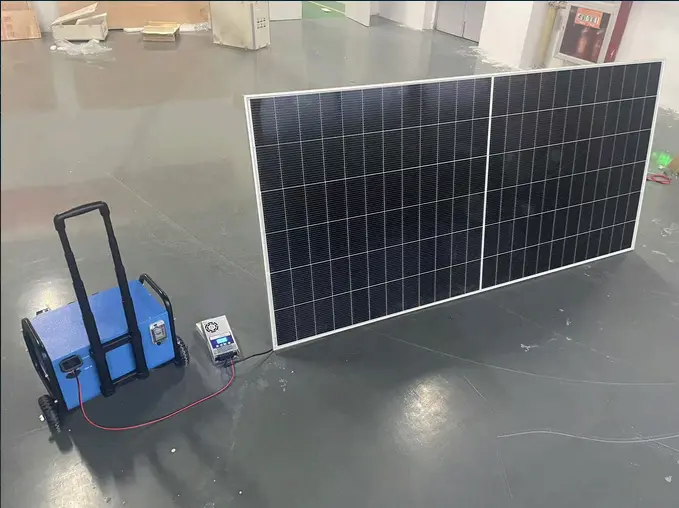
I love the freedom of recharging my power-bank outdoors. Solar charging is my favorite method. I place my solar panel in direct sunlight and move it as the sun shifts. Clean panels work best, so I wipe off dust and dirt. I know that solar charging works slower than plugging into a wall, but it feels amazing to use the sun’s energy. If I expect cloudy weather, I charge my power-bank fully before my trip. Sometimes, I use a portable Lithium Battery Generator for extra power. This works well for car camping or when I need to run bigger devices.
| Method | Advantages | Disadvantages |
|---|---|---|
| Solar Power | Unlimited energy in sunlight, eco-friendly | Slow charging, needs direct sunlight |
| Portable Battery Generator | Powers many devices, silent operation | Heavy, best for car camping |
| Hand Generator | Works anywhere, good for emergencies | Slow, needs physical effort |
Note: I always check the weather and plan my charging strategy. A little preparation keeps my devices ready for adventure.
Safe Storage and Handling
I treat my power-bank with care to keep it working well. I never leave it in direct sunlight or on hot surfaces. I use high-quality charging cables to protect my devices. I keep my power-bank dry unless it is waterproof. I handle it gently and store it in a cool, dry place when not in use. I check for any damage before each trip. I clean it with a dry cloth and avoid harsh chemicals.
- I avoid overheating by keeping my power-bank out of the sun.
- I use only the charger that came with my power station.
- I unplug it once fully charged.
- I keep it away from water and moisture.
- I inspect it regularly for damage.
Staying safe and prepared helps me enjoy every moment outdoors. My power-bank stays reliable, and I feel confident on every adventure.
Power-Bank Safety and Common Concerns
Lifespan and Maintenance
I want my power bank to last as long as possible, especially when I rely on it for camping. The average lifespan depends on how often I use it and how well I care for it. High-quality power banks can last up to five years with proper care. I always check the table below to understand what to expect:
| Usage Pattern | Average Lifespan |
|---|---|
| Daily Use | 1 to 1.5 years |
| Moderate Use | 2 to 4 years |
| Occasional Use | 4 to 5 years or longer |
| Quality Level | Average Lifespan |
|---|---|
| High-Quality Power Banks | 3 to 5 years |
| Mid-Range Power Banks | 2 to 4 years |
| Low-Quality Power Banks | 1 to 2 years |
To keep my power bank in top shape, I follow these steps:
- I avoid leaving it in hot cars or freezing tents.
- I use it at least once a month to keep the battery healthy.
- I never charge it overnight.
- I store it at about 50% charge if I won’t use it for a while.
- I use only quality chargers and cables.
- I stop using it if I notice swelling or overheating.
- In cold weather, I keep it close to my body.
Safety Precautions in Outdoor Conditions
Camping brings unpredictable weather. I always stay alert to safety risks. Wet conditions can cause electric shocks or short circuits, so I keep my power bank dry and never use it with wet hands. Overheating can happen if I leave it in the sun or run it at full power for too long. I check my cords and ports for damage before every trip.
| Safety Concern | Risk Description | My Precaution |
|---|---|---|
| Wet or Damp Conditions | Electric shock or short circuit | Keep dry, avoid wet hands |
| Overheating | Fire hazard, device damage | Shade, ventilate, avoid max load |
| Electric Shock | Exposed wires, faulty cords | Inspect and replace as needed |
| Charging Safety | Unsafe charging environments | Charge indoors, use proper charger |
| Storage | Moisture, heat, sunlight | Store cool, dry, shaded |
| Transport | Drops, rough handling | Use a case or handle |
I always keep my power bank away from flammable materials and out of reach of children and pets. Regular checks and safe storage give me peace of mind.
Airline Regulations and Travel Tips
When I fly to a camping spot, I want to follow all airline rules. I always carry my power bank in my hand luggage, never in checked bags. Most airlines allow power banks up to 100 watt-hours (about 27,000 mAh) without special approval. Some let me bring up to two, each under 100 Wh. I remove my power bank at security and make sure the capacity label is easy to see.
Here are my top travel tips:
- I check my airline’s website for the latest rules.
- I use lithium iron phosphate batteries for extra safety.
- I charge my power bank before my trip and pack it in a protective case.
- I use car outlets or solar panels to recharge during my journey.
With these habits, I travel safely and stay powered up for every adventure.
I trust my power-bank to keep me connected and safe on every camping trip. Field tests and user reviews show that rugged, high-capacity models perform well in tough outdoor conditions. I always choose a device with water resistance, multiple ports, and fast charging. Before each adventure, I follow smart charging strategies and check safety features. Staying prepared gives me confidence to explore further and enjoy nature without worry.
FAQ
How do I know what size power bank I need for camping?
I always count the devices I want to charge. I check each battery size. I add them up. I pick a power bank with a little extra capacity. This way, I never run out of power during my adventure.
Can I use my power bank in cold or hot weather?
Yes! I use my power bank in many temperatures. I keep it close to my body in the cold. I store it in the shade when it is hot. This helps the battery last longer and keeps my devices safe.
Is it safe to charge multiple devices at once?
Absolutely! I often charge my phone, camera, and lantern together. I use a power bank with enough ports and power. I always check the manual for limits. Charging several devices at once saves me time and keeps me ready for anything.
How do I recharge my power bank while camping?
I love using solar panels. I place them in direct sunlight. Sometimes, I use my car’s outlet or a portable generator. I always plan ahead and start my trip with a full charge.
What should I do if my power bank gets wet?
I dry it off right away. I never use it while it is wet. I wait until it is completely dry before charging or using it again. Safety comes first in every situation!