
 Mobile Generator


How to Use Energy Storage to Enhance Data Center Reliability

Data centers face frequent power disruptions, which often cause costly downtime.
| Statistic Description | Percentage / Value |
|---|---|
| Data centers reporting outages in past 3 years | 55% |
| Power cited as primary cause of impactful outages | 52% |
| Severe outages costing more than $100,000 | 54% |
Energy-storage systems deliver immediate backup power, reducing downtime and protecting critical operations.
Key Takeaways
- Energy storage systems provide instant backup power to data centers, preventing costly downtime and protecting critical equipment during power outages.
- Integrating energy storage with renewable energy sources like solar and wind helps data centers reduce emissions, save on energy costs, and maintain a reliable power supply.
- Choosing the right battery technology and planning for future growth ensures data centers improve reliability, lower operational risks, and support sustainability goals.
How Energy-Storage Strengthens Data Center Reliability
Immediate Backup Power and Downtime Reduction
Data centers require uninterrupted power to maintain critical operations. Battery Energy Storage Systems (BESS) play a vital role in delivering immediate backup power during grid failures. These systems consist of battery banks, inverters, and advanced controls that store energy and discharge it instantly when an outage occurs. Unlike traditional solutions, BESS can sustain power for extended periods, bridging the gap until generators activate or covering short blackouts without relying on fuel.
- BESS activates within milliseconds, ensuring seamless operation and protecting sensitive equipment from voltage sags, surges, and frequency fluctuations.
- The system integrates with existing UPS and generator setups, enhancing the overall resilience of the data center’s power infrastructure.
- By reducing dependence on diesel generators, BESS lowers fuel consumption, emissions, and maintenance requirements.
⚡ Immediate backup power from energy-storage systems ensures that data centers avoid costly downtime and maintain business continuity, even during unexpected power disruptions.
Integration with Renewable Energy Sources
Modern data centers increasingly prioritize sustainability and seek to reduce their carbon footprint. Energy-storage systems enable seamless integration with renewable energy sources, such as solar and wind, which are commonly deployed on-site.
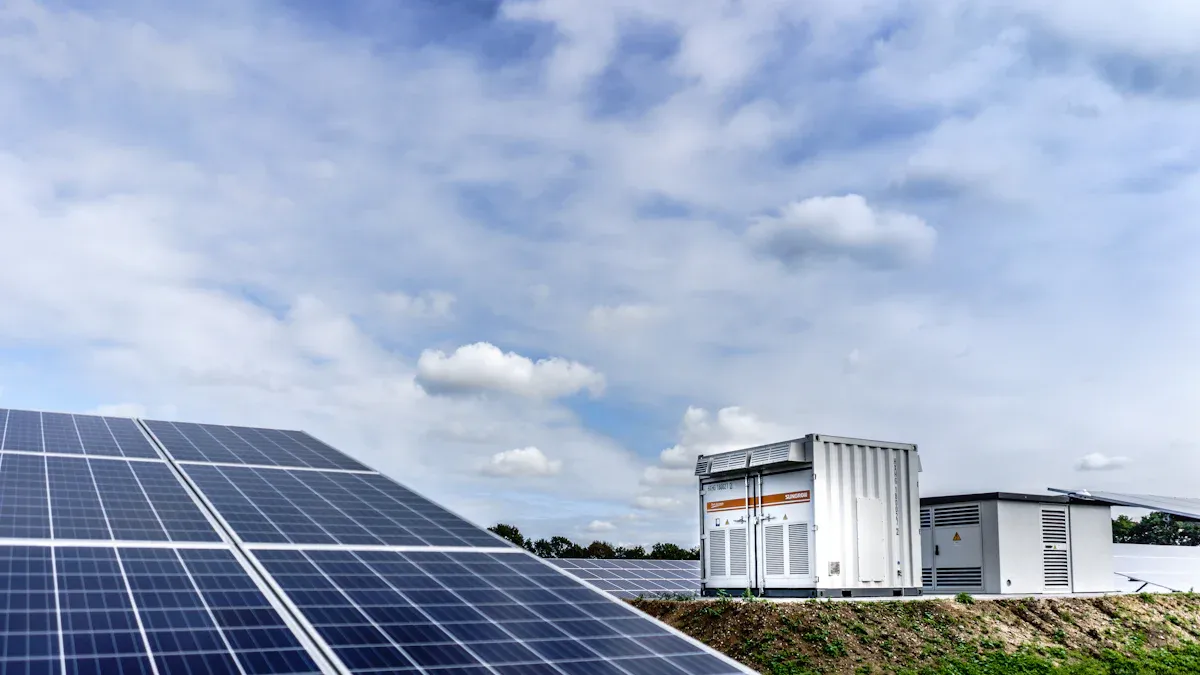
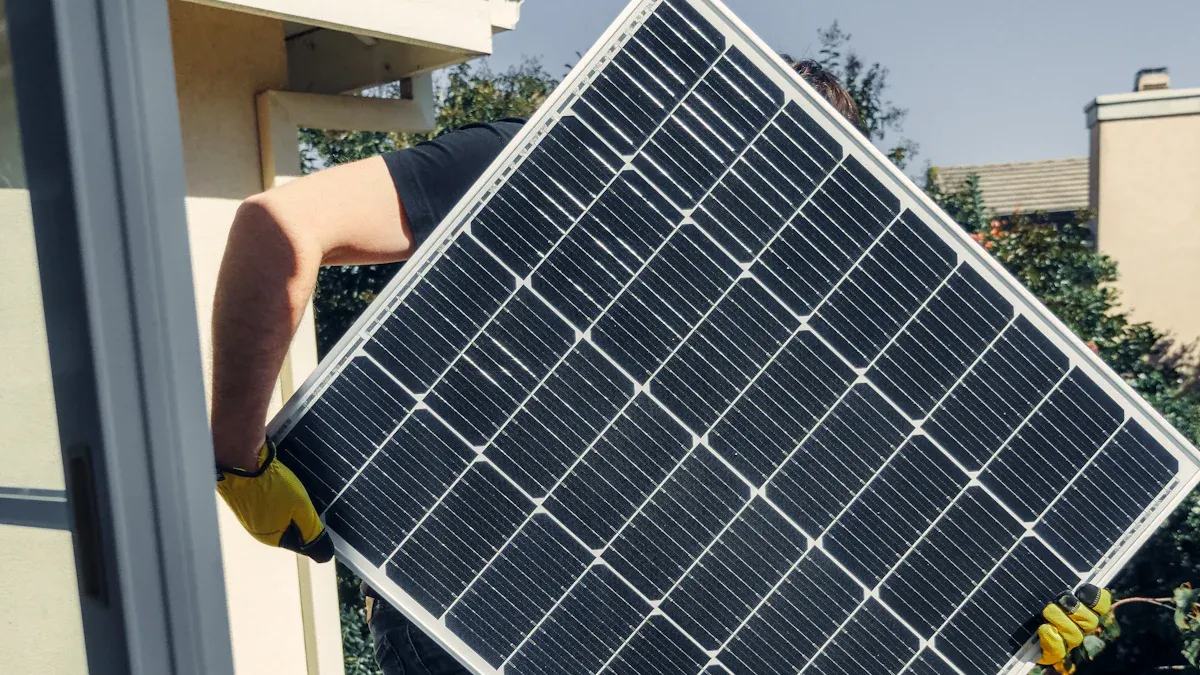
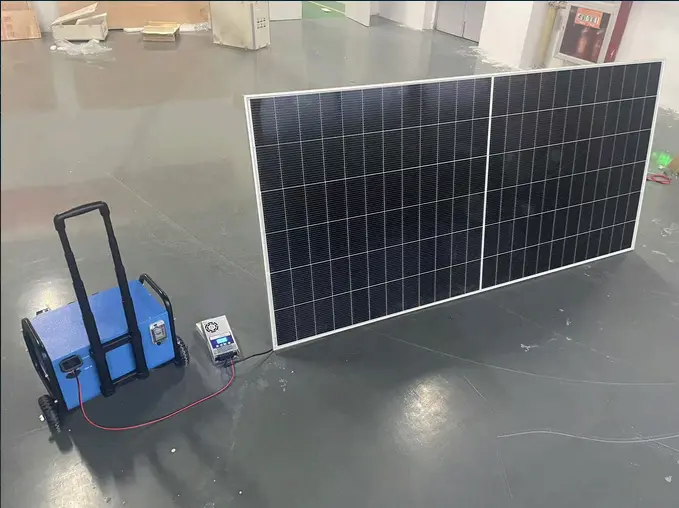
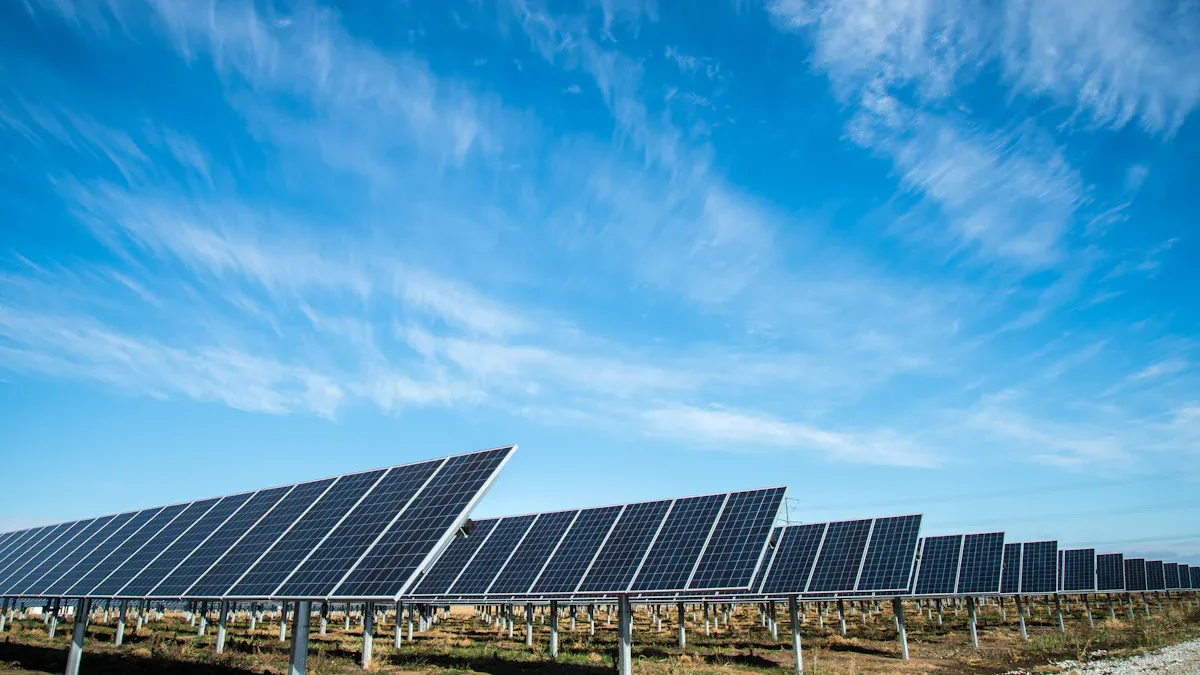
- Solar panels (photovoltaic) generate electricity directly for data centers and can charge energy-storage systems for later use.
- Small-scale wind turbines convert wind energy into electricity, supporting consistent power supply and charging batteries.
- Lithium-ion and flow batteries address the intermittent nature of renewables, ensuring continuous energy availability even when sunlight or wind is not present.
- Additional renewable options, such as biomass and geothermal, are available but less frequently integrated compared to solar and wind.
Co-locating data centers with renewable energy projects and energy-storage helps balance intermittent supply, reduces strain on local grids, and provides reliable backup power during outages. This approach supports sustainability goals and reduces greenhouse gas emissions.
Cost Savings and Operational Efficiency
Energy-storage solutions deliver significant cost savings and operational efficiency for data centers. These systems provide an uninterruptible power supply, preventing expensive downtime and ensuring continuous operation. They also enable load shifting and peak shaving, allowing data centers to store energy during off-peak hours and use it during periods of high demand, which reduces electricity costs.
- Integration with renewables lowers dependence on fossil fuels, further reducing energy expenses.
- Real-time monitoring and predictive maintenance optimize battery life and system performance, contributing to long-term savings.
- Enhanced grid resilience minimizes the risk of outages and associated financial losses.
| Year | Market Size (USD Billion) |
|---|---|
| 2024 | 6.87 |
| 2025 | 6.70 |
| 2034 | 16.68 |
| CAGR (2025-2034) | 10.19% |
The data center energy-storage market continues to grow rapidly, driven by the need for reliable backup power, grid stability, and energy cost management. Key drivers include cost reduction, safety, cooling requirements, and sustainability priorities.
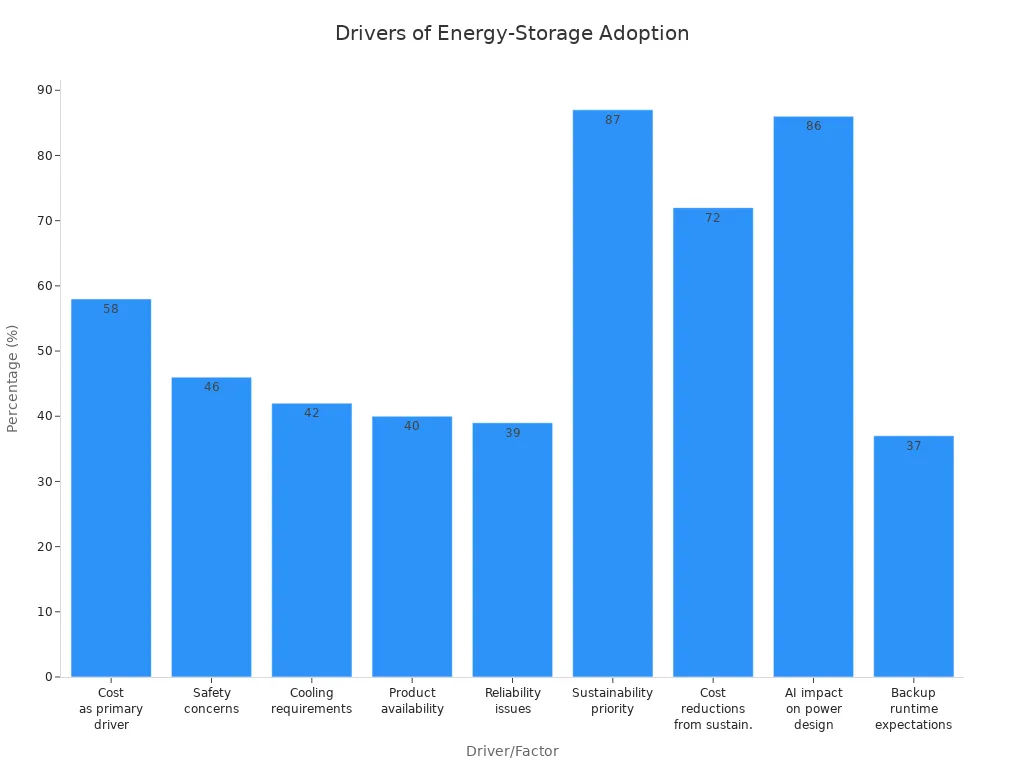
💡 The adoption of energy-storage in data centers is propelled by the demand for uninterrupted power, increasing energy costs, and the expansion of hyperscale facilities. Advanced technologies, such as modular and AI-driven energy management systems, further enhance reliability and efficiency.
Implementing Energy-Storage Solutions in Data Centers
Assessing Power Needs and Planning
Successful energy-storage deployment in data centers starts with a thorough assessment of power requirements. Operators should:
- Estimate IT load by analyzing the power consumption of servers, storage, and networking equipment.
- Determine cooling system needs, which can account for up to half of total power usage.
- Calculate supporting infrastructure demands, including lighting, security, and ventilation.
- Build redundancy into critical power components to ensure continuous uptime.
- Plan for future growth and scalability.
- Understand power distribution, such as single-phase versus three-phase systems.
- Use power management tools for monitoring and optimization.
- Integrate energy efficiency strategies and consider emerging trends like advanced energy-storage systems.
Industry standards from organizations like TIA and UPTIME emphasize redundancy, scalability, and energy efficiency in power planning. These guidelines help ensure reliable operation and support future expansion.
Choosing the Right Energy-Storage Technology
Selecting the best energy-storage technology depends on performance, safety, and operational needs. The table below compares common options:
| Battery Type | Energy Density | Cycle Life | Cost | Fire Risk | Efficiency | Charge/Discharge Speed |
|---|---|---|---|---|---|---|
| Lithium-ion | High | 3,000-10,000 | High | High | 85-95% | Fast |
| Lead-Acid | Low | 500-2,000 | Low | Low | 80-90% | Slow |
| Sodium-Based | Medium | 3,000-5,000 | Medium | Medium | 60-85% | Medium |
| Flow Batteries | Low | 10,000+ | Medium | Low | 60-85% | Slow |
| Flywheels | Medium | 20,000-100,000 | Medium | Low | 70-95% | Ultra-Fast |
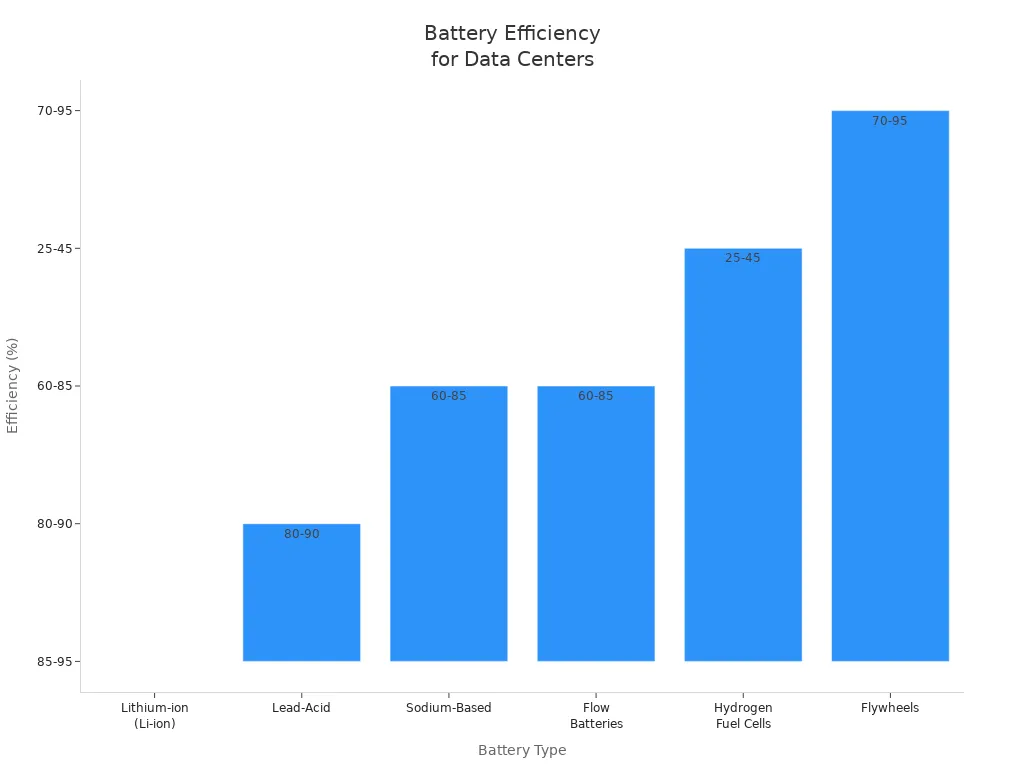
Lithium-ion batteries remain the preferred choice for data centers due to their high energy density, long cycle life, and fast response.
Integration, Management, and Real-World Examples
Integrating energy-storage with existing infrastructure requires careful planning. Operators often:
- Combine battery systems with renewable energy sources to stabilize supply.
- Use behind-the-meter setups for greater control and resilience.
- Employ microgrids and distributed energy resources to supplement grid power.
- Leverage advanced analytics and AI for predictive maintenance and load forecasting.
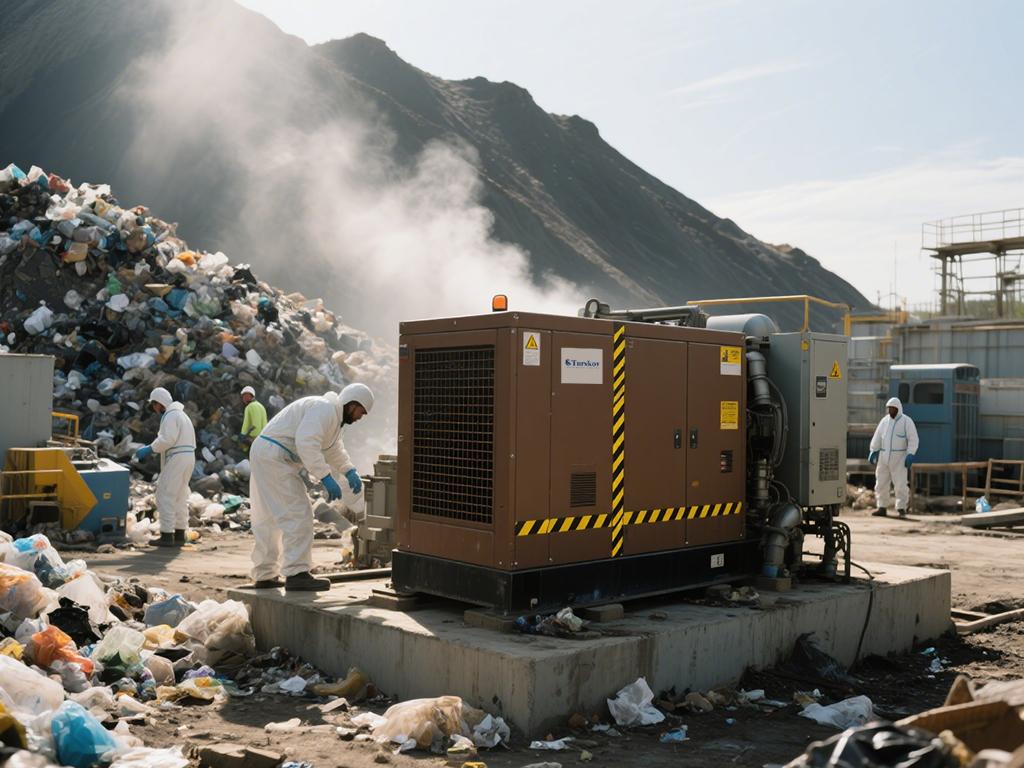
Microsoft’s San Jose data center uses a microgrid powered by food waste gas, ensuring continuous operation during outages. Other companies, such as Donato Solar, deploy solar-powered microgrids for new facilities. These examples highlight how energy-storage enhances both reliability and sustainability.
Energy-storage systems play a vital role in data center reliability. Advanced battery solutions bridge gaps in power supply, support renewable integration, and help operators meet strict regulatory standards. These systems reduce operational risks, lower costs, and advance sustainability, making them essential for uninterrupted, resilient data center operations.
FAQ
What benefits does energy storage provide for data centers?
Energy storage delivers immediate backup power, reduces downtime, and supports seamless operations. It also enables integration with renewables and helps lower operational costs.
How does the 215kW Industrial and Commercial Energy Storage System ensure safety?
The system uses Lithium Iron Phosphate batteries, an aerosol fire extinguishing system, and automatic ventilation. These features protect equipment and maintain safe operation in various conditions.
Can energy storage systems scale with growing data center needs?
- Yes, modular designs like the 215kW system allow expansion up to 2MW/4.3MWh. Operators can add capacity as energy demands increase.