
 Mobile Generator

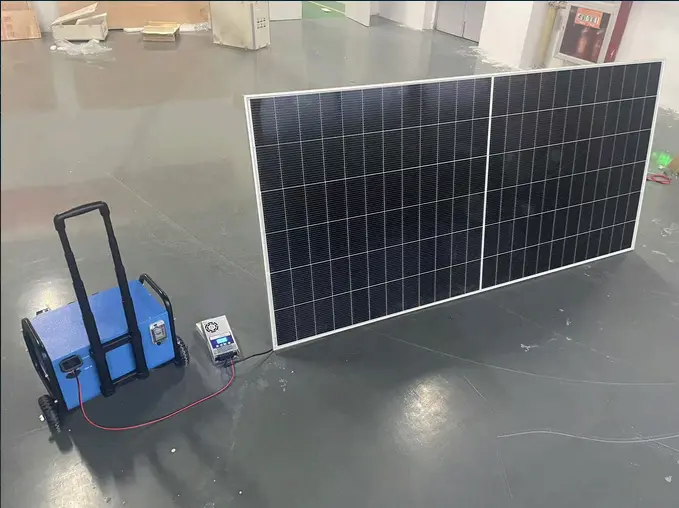
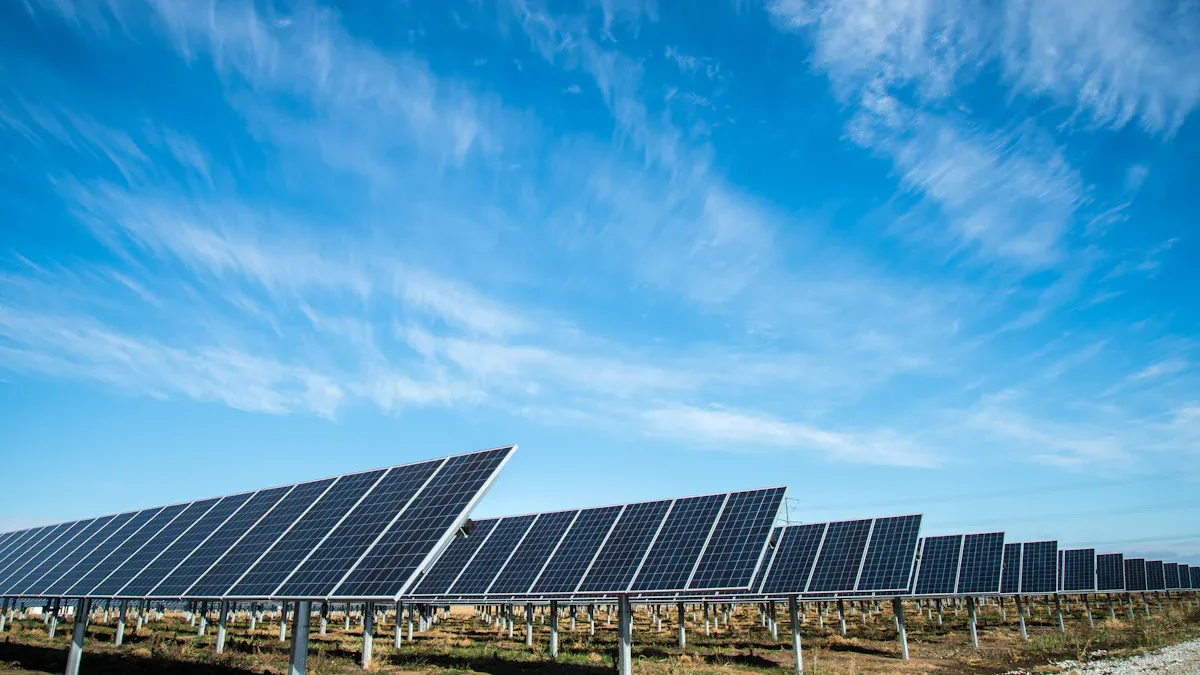

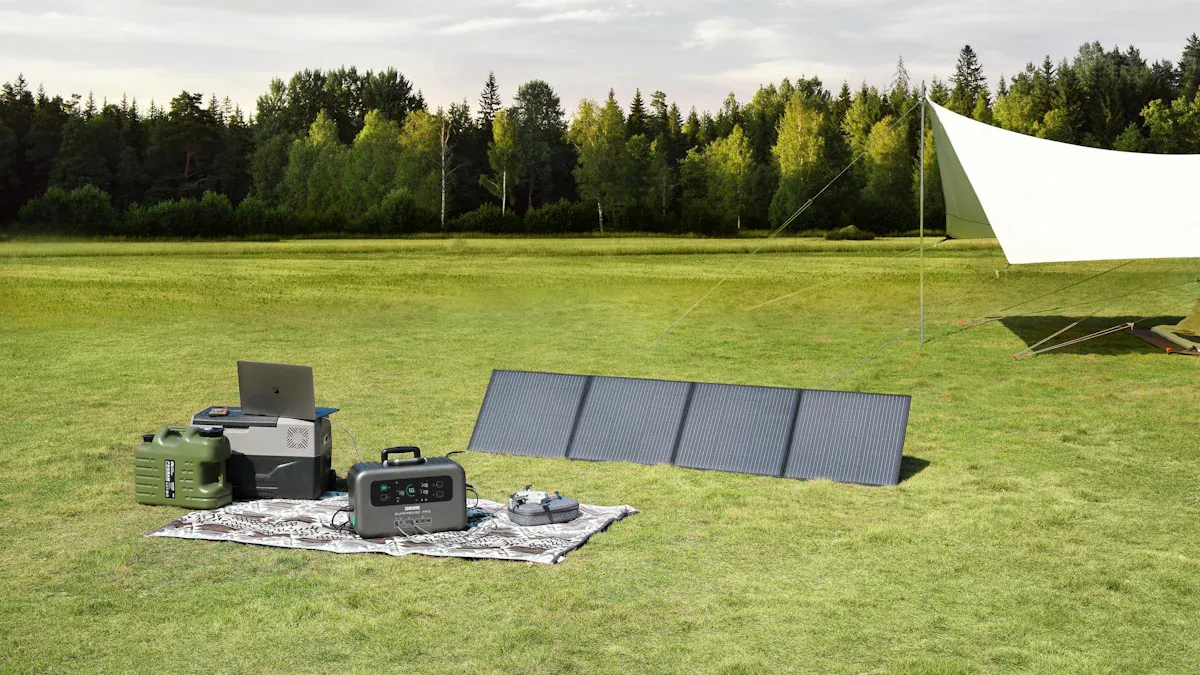

Keep Your Home Running with Seamless Solar-Storage Backup
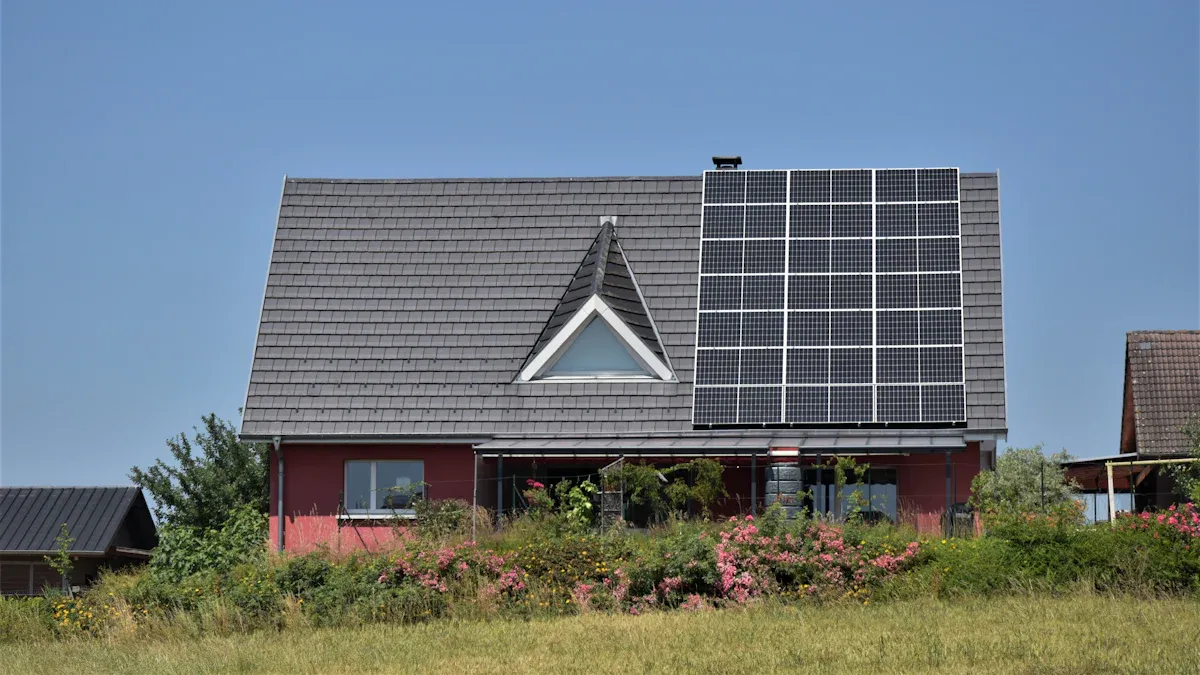
You want to keep your home safe and comfortable during a blackout. Solar-Storage backup gives you the power to do that. Not every solar system can protect you when the grid goes down. You need a setup with instant switch capability to keep your lights and appliances running.
Key Takeaways
- Solar panels alone cannot power your home during blackouts because they shut down for safety. You need a solar-storage system with batteries to keep your lights and appliances running.
- Instant switches and backup boxes help your solar-storage system switch power quickly and safely, so you can choose which devices stay on during an outage.
- To get the right backup system, list your essential devices, calculate their power needs, and work with a certified installer to size and install a system that fits your home and budget.
How Solar-Storage Backup Keeps You Powered During Blackouts
Why Standard Solar Alone Isn’t Enough
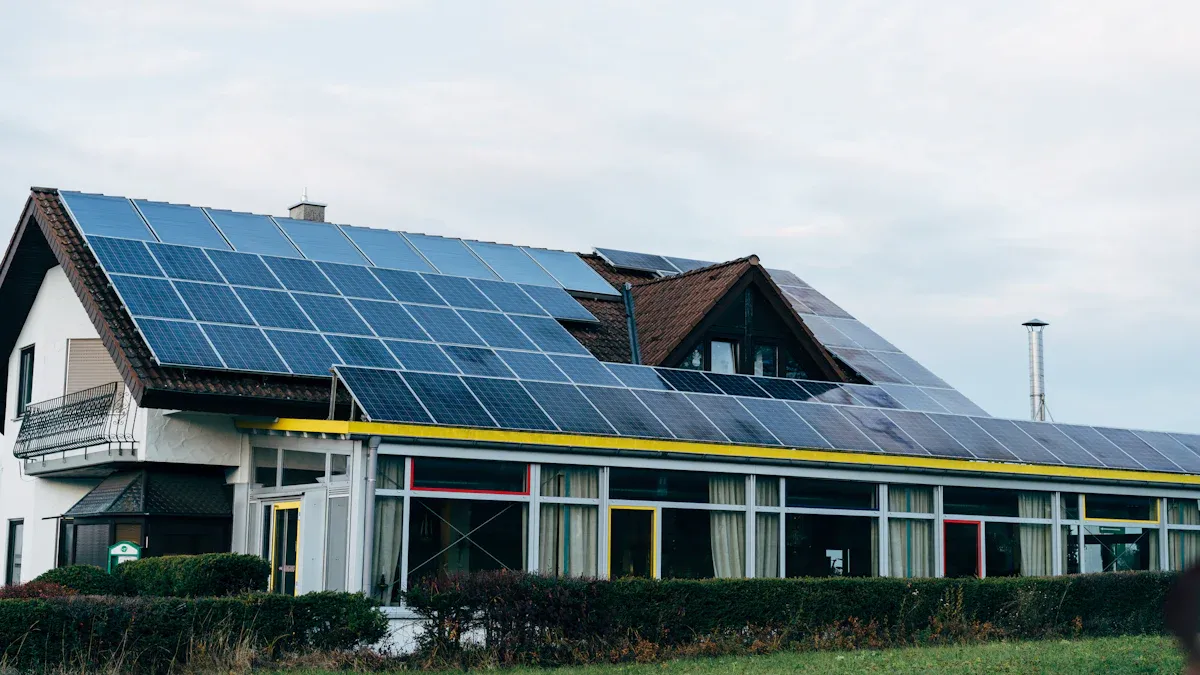
You might think your solar panels will keep your home running during a blackout. In reality, standard solar systems shut down when the grid goes out. This happens for safety reasons. Your Solar Inverter connects to the grid. When the power fails, the inverter stops working to protect utility workers from electric shock. Your solar panels cannot send power to your home or the grid during an outage. You need more than just solar panels to keep your lights on.
How Solar-Storage and Batteries Work Together
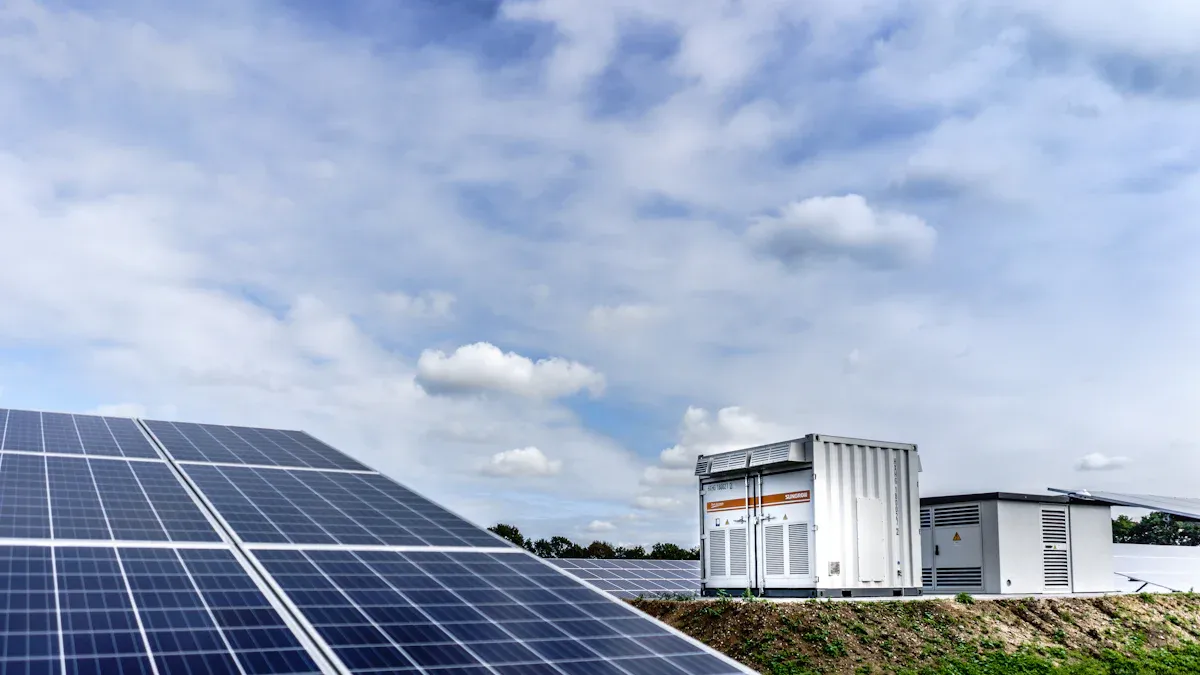
Solar-Storage systems combine solar panels with batteries. During the day, your panels make electricity. You use some of this power right away. The system stores extra energy in the battery. When the grid goes down, the battery steps in. It sends stored electricity to your home. You can keep your refrigerator, lights, and other important devices running. At night or on cloudy days, the battery continues to supply power until it runs low. This teamwork between solar panels and batteries gives you backup power when you need it most.
Tip: You can choose which appliances or rooms get backup power. This helps your battery last longer during an outage.
The Role of Instant Switches and Backup Boxes
Instant switches and backup boxes make your Solar-Storage system seamless. When the grid fails, an instant switch senses the problem. It quickly disconnects your home from the grid and connects it to your battery. This switch works in seconds. You may not even notice the change. Backup boxes help control which circuits get power from the battery. You can set them up to protect your most important devices. With these tools, your Solar-Storage system keeps your home safe and comfortable during blackouts.
Choosing the Right Solar-Storage Backup System
Standard Backup vs. UPS (Uninterruptible Power Supply)
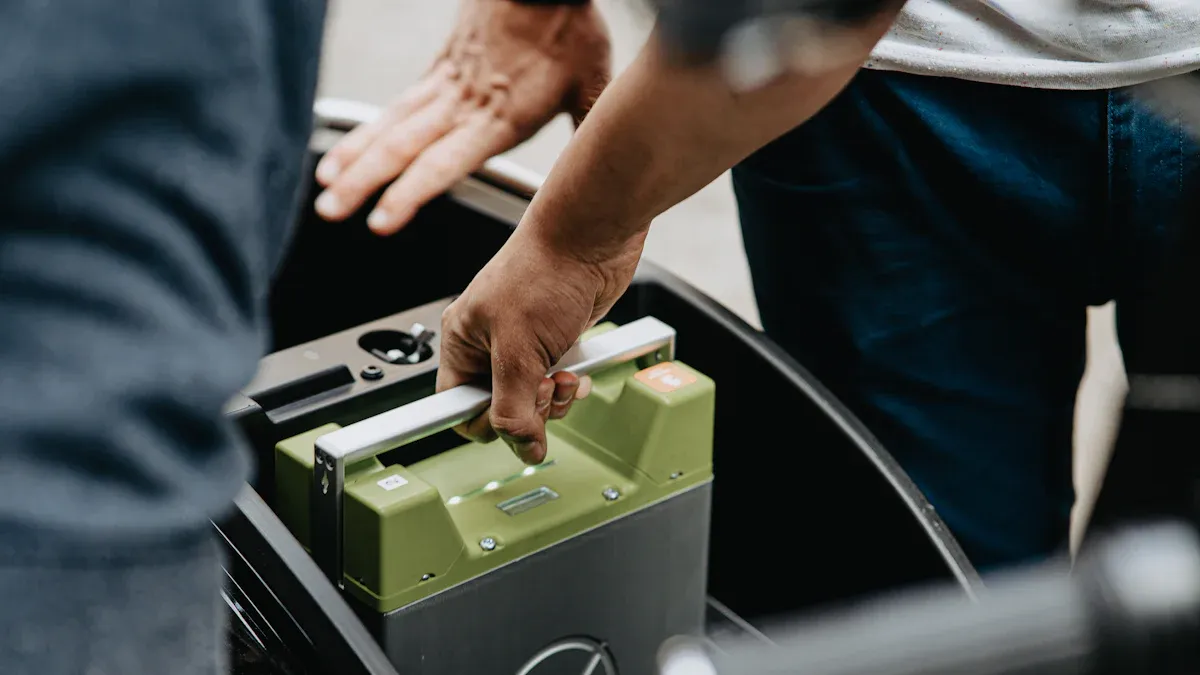
You have two main options when you want backup power: standard backup and UPS. A standard backup system gives you power during an outage, but it may take a few seconds to switch on. Some devices, like computers or medical equipment, need power without any delay. A UPS, or Uninterruptible Power Supply, switches instantly. You will not notice any interruption. If you work from home or rely on sensitive electronics, a UPS can protect your devices from sudden shutdowns.
Tip: Think about what you need to keep running. If you only want to power lights and a fridge, a standard backup works well. If you need to protect computers or medical devices, choose a UPS.
What You Can Power and For How Long
Your Solar-Storage system can run many things, but not everything at once. You need to decide which appliances matter most. Most people choose to back up:
- Refrigerators and freezers
- Lights in key rooms
- Wi-Fi routers
- Medical devices
- Garage doors
The size of your battery decides how long you can run these items. For example, a typical battery can power a fridge, a few lights, and a router for 8-12 hours. If you add more batteries, you can run more devices or keep them on longer.
| Appliance | Average Power (Watts) | Hours Powered (1 Battery) |
|---|---|---|
| Refrigerator | 150 | 24 |
| Wi-Fi Router | 10 | 100+ |
| LED Light Bulb | 10 | 100+ |
| Sump Pump | 750 | 3-4 |
Note: You can make your battery last longer by turning off devices you do not need.
Sizing Your Solar-Storage System
You need the right size system to meet your needs. Start by making a list of the devices you want to power. Add up their wattage. Think about how many hours you want backup power. Your installer can help you match your needs to the right battery size.
Here is a simple way to estimate:
- List your must-have devices.
- Find out how much power each one uses (in watts).
- Multiply the power by the number of hours you want to run each device.
- Add up the total watt-hours.
For example, if you want to run a 150-watt fridge for 10 hours, you need 1,500 watt-hours just for the fridge.
Compatibility and Installation Essentials
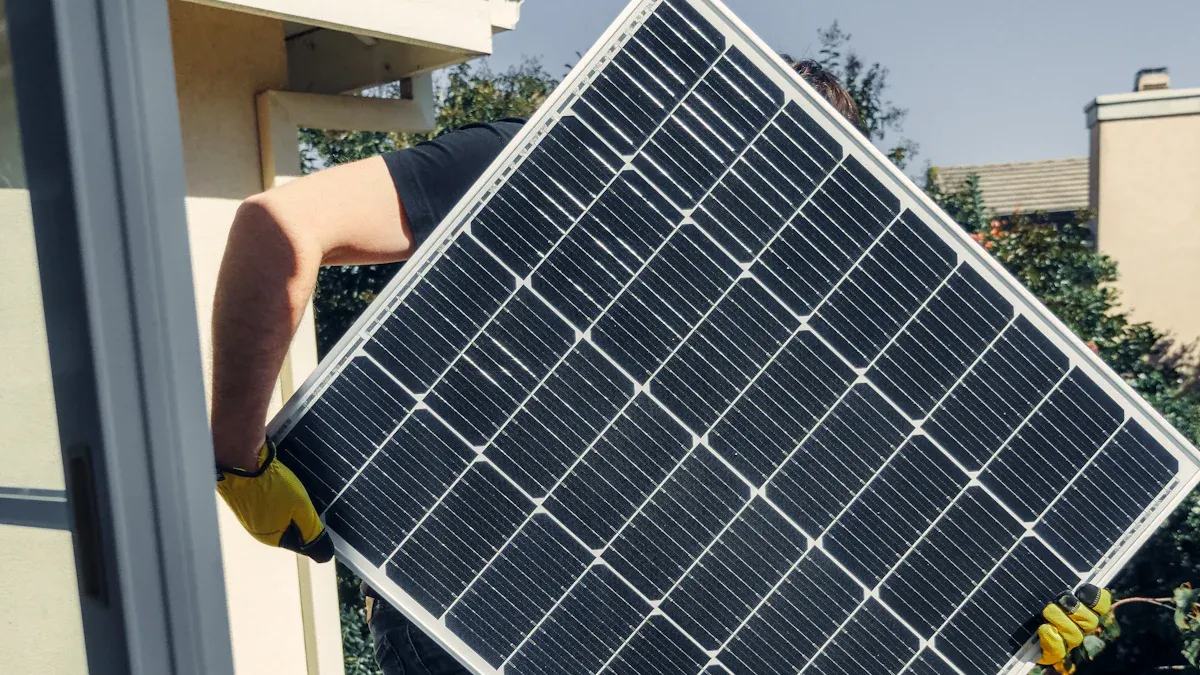
Not every home or solar system works with every backup option. You need to check if your current solar panels and inverter can connect to a battery. Some older systems may need upgrades. Your installer will look at your electrical panel, wiring, and space for batteries. They will also check local codes and permits.
Alert: Always use a certified installer. Proper installation keeps your system safe and reliable.
Costs, Warranties, and What to Expect
Solar-Storage backup systems cost more than solar panels alone. The price depends on battery size, type, and installation needs. Most systems range from $8,000 to $20,000. Some states offer rebates or tax credits to lower your cost.
Warranties matter. Most batteries come with a 10-year warranty. Ask your installer about coverage for parts and labor. You should also ask about maintenance and support.
| Feature | Typical Range |
|---|---|
| Cost | $8,000 - $20,000 |
| Battery Warranty | 10 years |
| Installation | 1-3 days |
Tip: Ask for a detailed quote. Make sure you understand what is included.
You gain peace of mind with seamless Solar-Storage backup. Your home stays comfortable and safe during outages. The right system keeps your essentials running without hassle. Ready to enjoy blackout-free living? Schedule a free home survey or talk to a trusted installer today.
FAQ
Can you add a battery to your existing solar system?
Yes, you can add a battery to many solar systems. Your installer checks compatibility and may upgrade your inverter or wiring.
How long does a solar-storage battery last during a blackout?
A typical battery powers essentials for 8-12 hours.
- More batteries give you longer backup.
- Usage affects battery life.
Do solar-storage systems need maintenance?
You need little maintenance.
- Check your system’s app for alerts.
- Keep batteries clean and dry.
- Schedule yearly inspections for best performance.