
 Mobile Generator

Off-Grid Island: Solar-Storage Replaces Diesel, Cuts Cost 90%

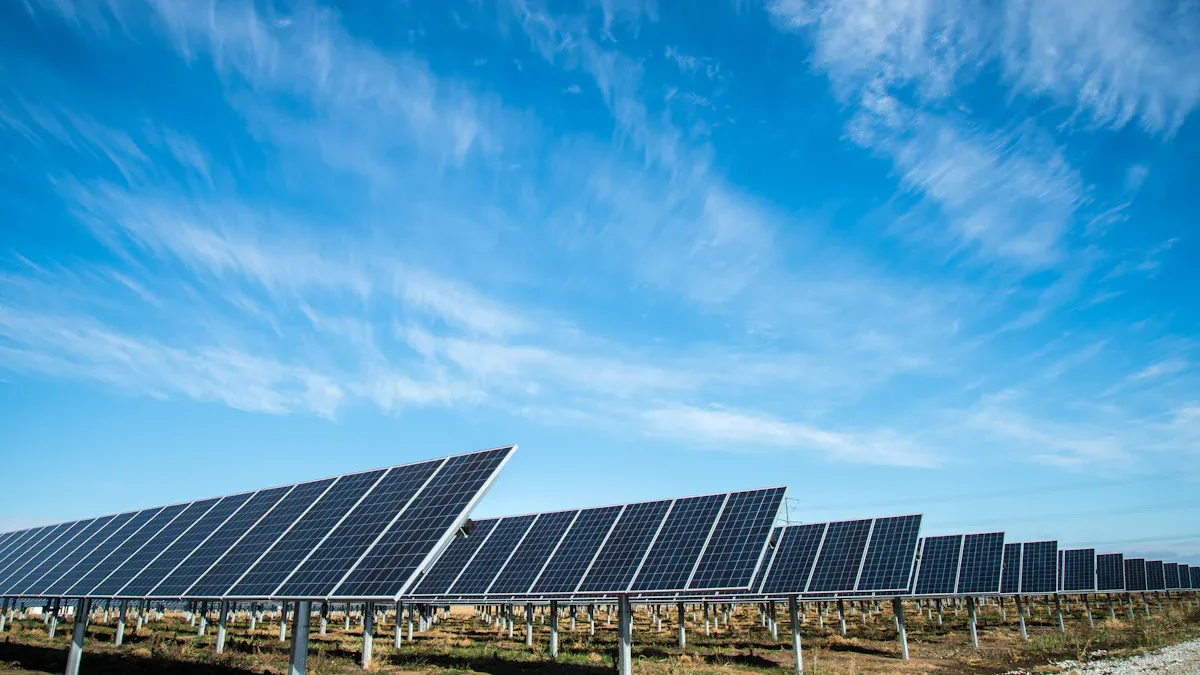
Mornington Island switched from diesel generators to a Solar-Storage system, cutting energy costs by around 90%. The new system achieved 95% renewable energy penetration and lowered emissions by 39.17 kilotons over 40 years. Many remote communities still depend on diesel, as shown in the table below:
| Region/Country | Diesel Generator Use Evidence |
|---|---|
| Developing Countries | 600 million people accessed electricity via fossil-fuel technologies (2000-2016) |
| Afghanistan | 1310 diesel-based facilities installed since 2010 |
| Southeast Asia | 29 million people expected to gain access through diesel gensets by 2030 |
| Brazil (Amazon) | Large parts electrified with diesel generators |
| Colombia | 73% of territory isolated from grid and supplied by diesel generators |
| Venezuela | 90 diesel genset projects in rural areas (2008-2013) |
Key Takeaways
- Switching from diesel generators to solar-storage systems can cut energy costs by up to 90% and reduce harmful emissions significantly.
- Proper design, sizing, and advanced technology like grid-forming inverters ensure reliable, clean power that meets local needs and withstands harsh conditions.
- Off-grid communities can succeed by partnering with local groups, building skills, planning carefully, and sharing knowledge to overcome challenges and create sustainable energy solutions.
From Diesel Dependency to Solar-Storage
The High Cost of Diesel Power
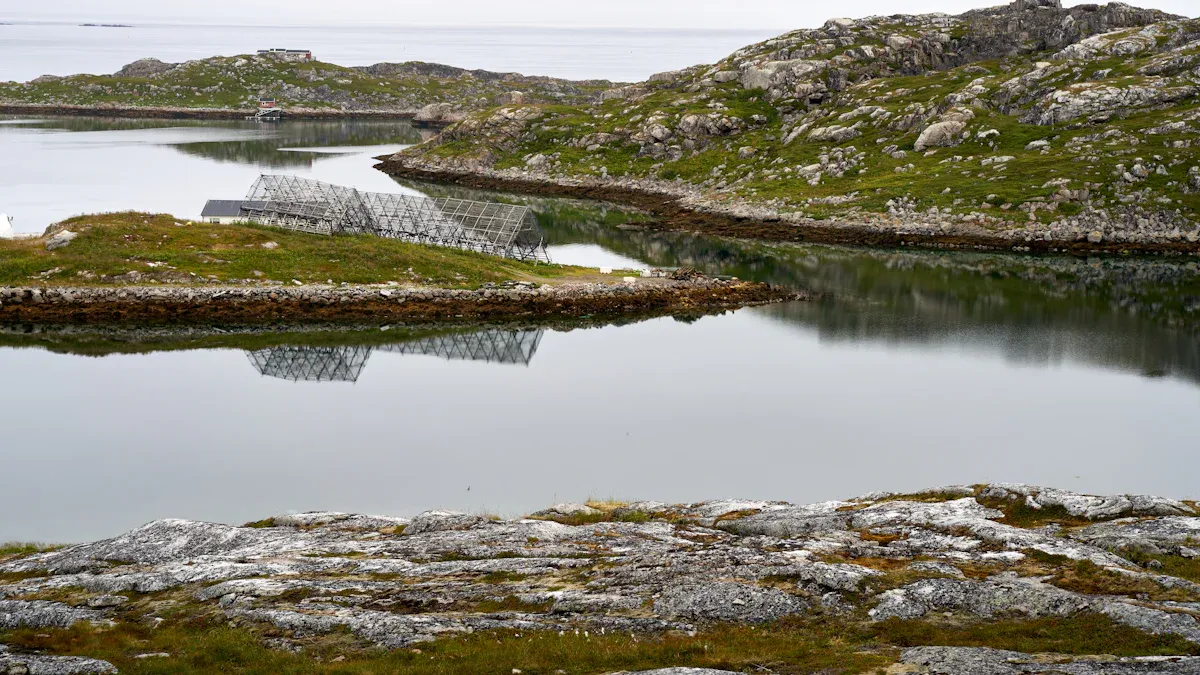
Remote islands often depend on diesel generators for electricity. Diesel fuel must be shipped over long distances, which increases costs and risks supply interruptions. Maintenance for diesel engines requires skilled technicians and spare parts that are not always available. Fuel spills and exhaust emissions also harm the environment and public health. Many island communities face high electricity prices because of these challenges. Residents sometimes pay several times more for power than people living on the mainland. These high costs limit economic growth and strain household budgets.
Solar-Storage System Design and Installation
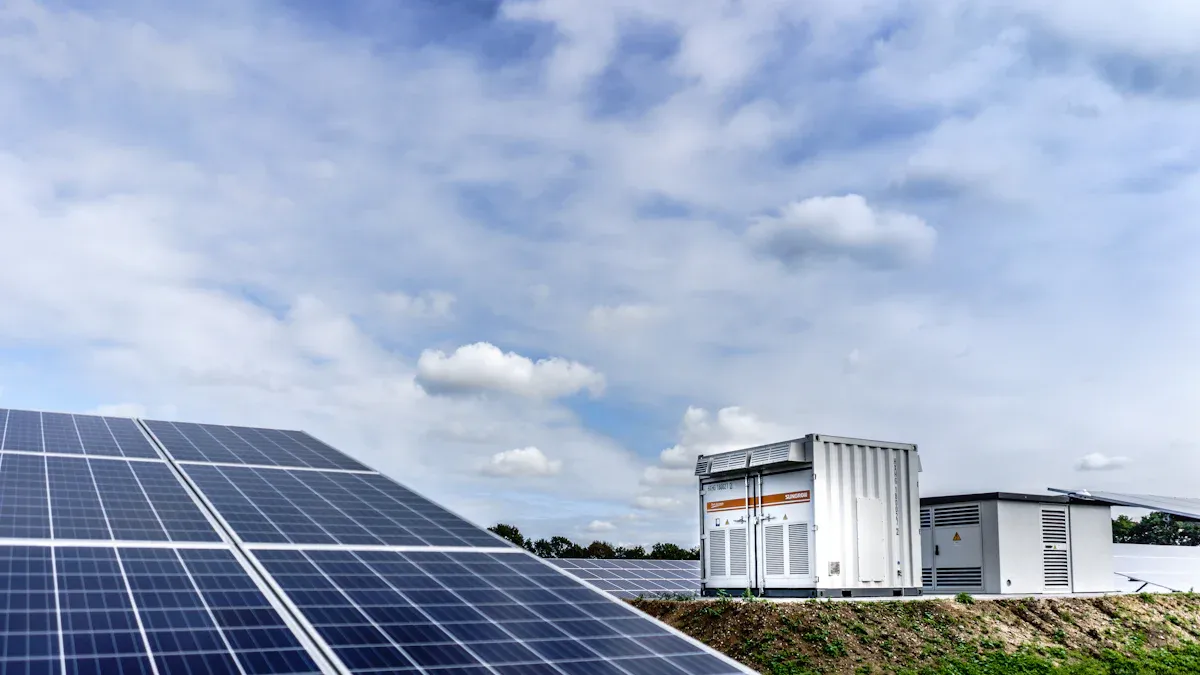
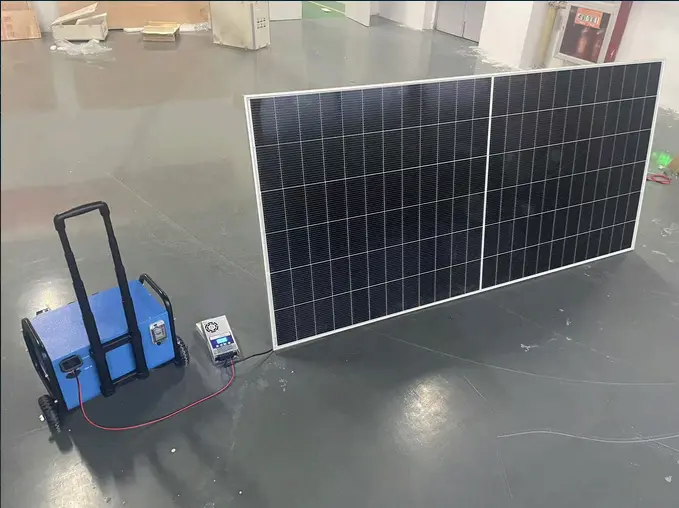
Engineers designed the island’s Solar-Storage system to meet local energy needs and withstand harsh conditions. The system includes several key components and technical features:
- Inverter power ratings: continuous and surge power output, inverter topology (transformer or transformer-less), cooling system, and temperature derating considerations.
- System configuration: AC-coupled or DC-coupled solar-storage setups, each with unique advantages and disadvantages.
- Inverter charge rating: maximum charging current to ensure battery and inverter compatibility.
- Solar PV array sizing: based on daily energy consumption, local peak sun hours, shading, orientation, and temperature losses.
- Battery selection and sizing: choice between lead-acid and lithium-ion (especially Lithium Ferro Phosphate - LFP), battery capacity in kWh, days of autonomy, depth of discharge, and battery management systems (BMS).
- Cable sizing and protection: appropriate cable gauge and overcurrent protection devices like fuses and breakers.
- Software and energy management: system monitoring and control for efficient operation.
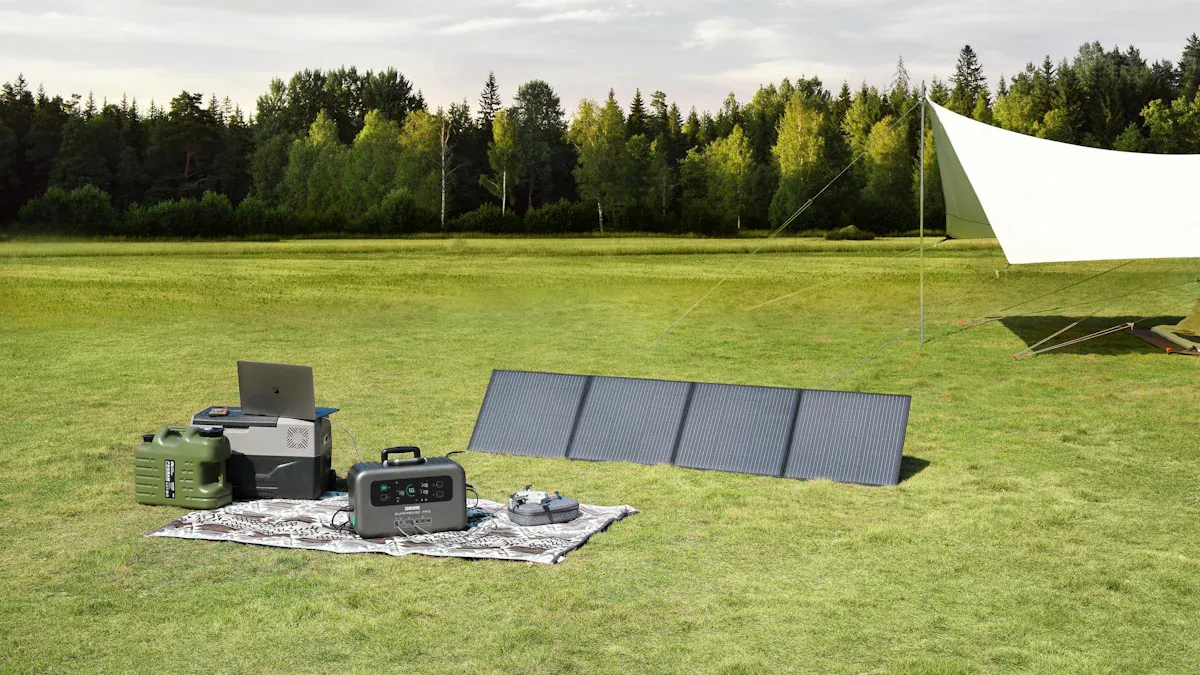
- Backup power options: integration of generators or vehicle-to-load (V2L) technologies for additional reliability.
These elements work together to provide reliable, clean energy. The Solar-Storage system reduces the need for diesel fuel and lowers maintenance demands. Careful planning ensures the system can handle daily power needs and unexpected events.
Tip: Proper sizing and selection of each component help maximize system efficiency and lifespan.
Overcoming Transition Challenges
The island community faced several technical challenges during the switch from diesel to Solar-Storage. They needed to ensure stable power even as solar and battery output changed throughout the day. The team installed advanced grid-forming inverters and control software. These tools helped the system respond quickly to changes in energy demand and supply. The software monitored grid conditions and adjusted power flows to keep voltage and frequency stable. Battery storage worked with the grid-forming technology to provide fast backup power and maintain grid stability. This approach allowed the Solar-Storage system to match or exceed the reliability of traditional diesel generators. Companies like SMA supplied advanced power conversion systems that improved battery management and grid performance. The island’s experience shows that modern technology can solve many of the problems that once made renewable energy difficult for remote communities.
Solar-Storage Results and Community Impact
Cost Comparison: Diesel vs. Solar-Storage
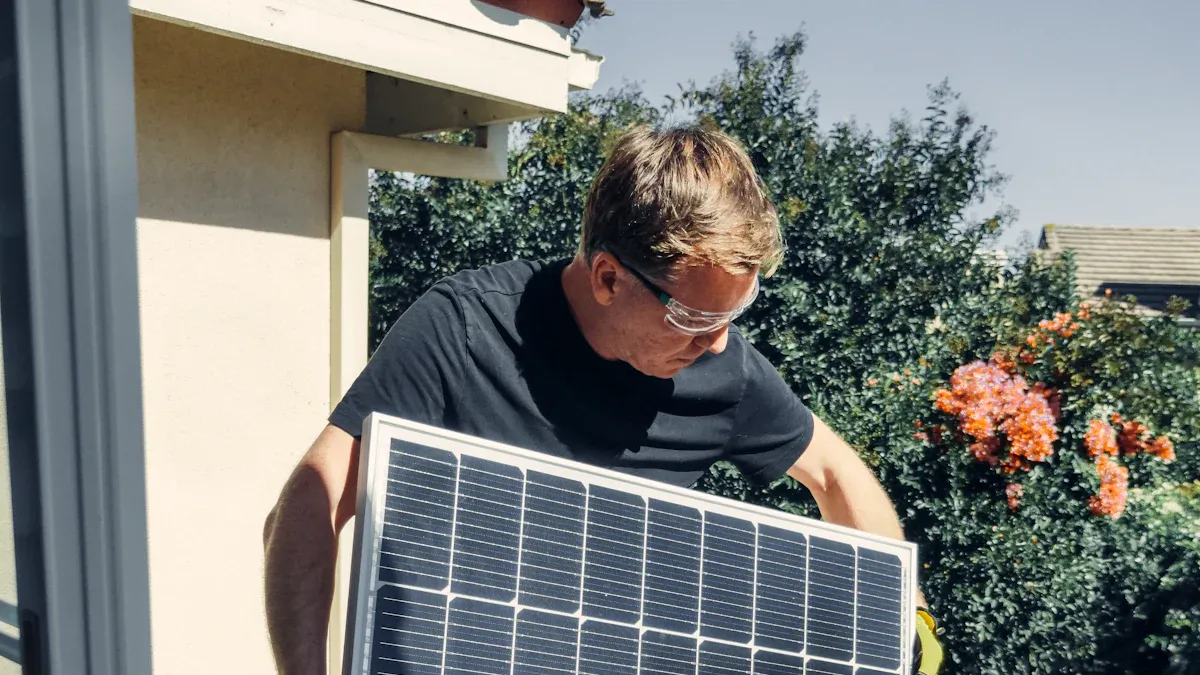
Switching from diesel generators to Solar-Storage systems brings major financial benefits for remote communities. Diesel generators require constant fuel deliveries and frequent maintenance, which leads to high and unpredictable costs. In contrast, Solar-Storage systems need a larger upfront investment but offer much lower ongoing expenses. The payback period for Solar-Storage investments usually ranges from 4 to 6 years in emerging markets and about 5 years for a 10 kW system in California. Diesel generators do not have a payback period because their costs never end. The table below compares the two options:
| Aspect | Diesel Generator | Solar-Storage System |
|---|---|---|
| Payback Period | None (ongoing costs) | 4-6 years (emerging markets), 5 years (California) |
| Maintenance Frequency | Frequent | Minimal |
| Annual Maintenance Cost | High | Negligible |
| Fuel Cost | High (ongoing) | None |
| Battery Replacement | N/A | Every 8-15 years |
| Lifespan | 15-20 years | 8-15 years (battery dependent) |
| Operating Cost | High | Low |
| Noise & Emissions | Loud, polluting | Silent, clean |
Over a 10- or 20-year period, Solar-Storage systems provide sustained savings. The system reduces power supply disruptions and annualized costs, even when accounting for battery replacements. Smart charging and the use of hydrogen or bio-waste units can further lower planning costs by up to 17.8%. These savings free up resources for other community needs.
Reliability and Environmental Benefits
Solar-Storage systems improve power reliability and grid stability in several ways:
- Batteries and other storage technologies help balance supply and demand by storing extra energy and releasing it when needed.
- The system reduces the need for thermal generators, which lowers operational costs and wear on equipment.
- Distributed energy resources, such as rooftop solar and batteries, ease grid strain during peak hours and help manage sudden changes in demand.
- Smart inverters, advanced sensors, and AI optimization allow real-time control and quick responses to power fluctuations.
- Energy storage provides backup power during outages and severe weather, making the grid more resilient.
- Storage also helps prevent congestion on power lines, which delays the need for expensive upgrades.
- Improved software and sensors keep voltage stable and speed up recovery after outages.
Replacing diesel generators with Solar-Storage systems also brings significant environmental benefits. The island now uses much less fossil fuel, which means lower carbon dioxide and pollutant emissions. Solar panels generate clean energy during the day, and batteries store extra power for use at night or during cloudy weather. This cleaner energy mix helps fight climate change and supports a healthier environment for everyone.
Lessons for Other Off-Grid Communities
The island’s experience offers valuable lessons for other off-grid communities:
| Lesson / Practice | Description | Example Island(s) |
|---|---|---|
| Partnership with local utilities and governments | Working together ensures smoother projects and local support | British Virgin Islands, Turks and Caicos, Belize |
| Capacity building and knowledge sharing | Sharing skills and information helps communities learn and respond to disasters | Caribbean-wide (CAREC platform) |
| Resilient design standards | Building systems to withstand severe weather improves durability | Barbuda, The Bahamas |
| Focus on microgrids for critical facilities | Powering schools, hospitals, and shelters increases community resilience | Puerto Rico, Caribbean islands |
| Integrated energy and resilience planning | Combining energy and disaster planning creates sustainable power systems | British Virgin Islands, Belize, Turks and Caicos |
| Aggregation of projects | Bundling installations lowers costs and increases market viability | Caribbean-wide initiative |
| Sharing lessons and best practices | Publishing reports and working together speeds up adoption of renewables | OECS, CAREC working group |
Communities face barriers such as high upfront costs, lack of technical skills, and limited access to financing. They can overcome these challenges by investing in infrastructure, using creative financing models, providing technical training, and raising awareness about the benefits of Solar-Storage. Partnerships among governments, NGOs, and the private sector also play a key role in making these projects successful and sustainable.
Replacing diesel with Solar-Storage reduced the island’s energy costs by 90%. Community engagement and local training proved essential for success. Other off-grid communities should conduct energy audits, involve residents, and plan for maintenance. Risks include lack of local expertise and system misuse, but strong ownership can ensure lasting benefits.
FAQ
How does solar-storage improve energy reliability on remote islands?
Solar-storage systems store extra solar power during the day. Batteries release this energy at night or during cloudy weather. This process keeps electricity available when the sun does not shine.
What maintenance does a solar-storage system require?
Solar-storage systems need regular cleaning of solar panels and battery checks. Technicians inspect connections and software. Most systems require less maintenance than diesel generators.
Can solar-storage systems work during storms or cloudy days?
- Batteries supply power when sunlight is low.
- Smart controls manage energy use.
- Backup generators can provide extra support if needed.