
 Mobile Generator


Solar-Battery Storage in 5-10kW Off-Grid Systems
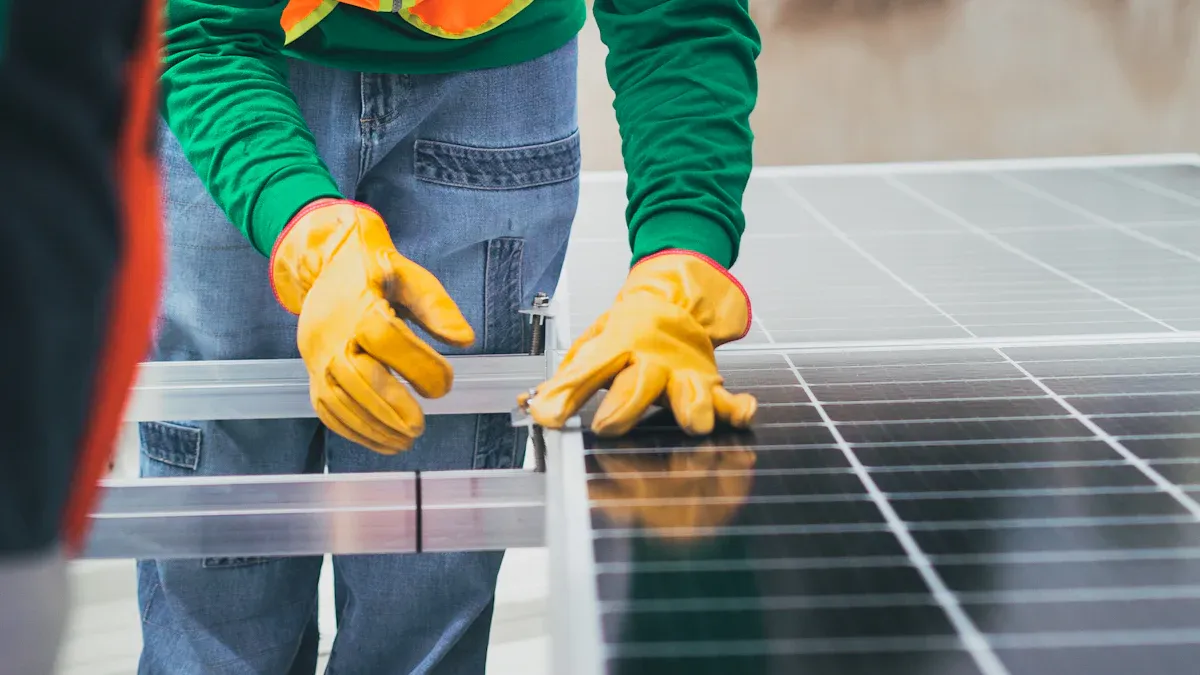
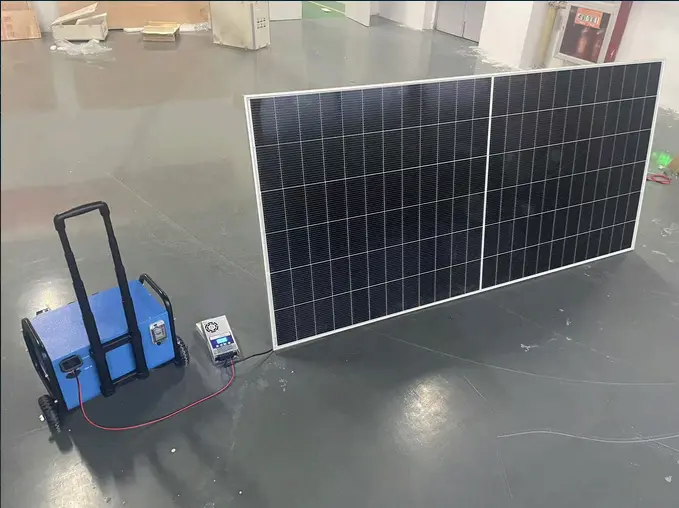
You can reach top returns when you use advanced solar-battery storage in your 5-10kW off-grid system. Smart choices in technology, battery type, and controls help you save money and boost system performance. Proven solutions give you both financial and operational benefits.
Key Takeaways
- Choose high-quality, efficient solar panels and batteries that match your energy needs to store more power and reduce waste.
- Use smart controllers and energy management systems to optimize when and how you use your solar energy, saving money and improving reliability.
- Start with a modular system that you can expand over time, and take advantage of incentives and financing to lower upfront costs and boost your savings.
Core Challenges for Off-Grid Solar-Battery ROI
Energy Intermittency and Storage Gaps
You face a big challenge with energy intermittency in off-grid systems. The sun does not always shine when you need power. Clouds, night, and weather changes can cause gaps in your energy supply. If your storage system cannot hold enough energy, you may run out of power at critical times. You need to plan for these gaps by choosing the right battery size and type. A well-matched solar-battery system helps you store extra energy for use when the sun is not available.
System Inefficiencies and Maintenance Costs
System inefficiencies can lower your return on investment. If your panels or batteries lose energy during conversion or storage, you get less usable power. Dust, dirt, and aging parts can also reduce system output. Regular maintenance is important, but it can add to your costs. You should look for equipment that is easy to clean and maintain. High-quality parts can last longer and save you money over time.
Sizing and Load Management
Proper sizing is key for your off-grid setup. If your system is too small, you will not meet your energy needs. If it is too large, you spend more money than needed. You must understand your daily energy use and plan for peak times. Smart load management lets you use heavy appliances when solar power is strong. This approach helps you avoid draining your batteries too quickly.
Advanced Solar-Battery Storage Solutions
Enhanced Resilience and Reliability
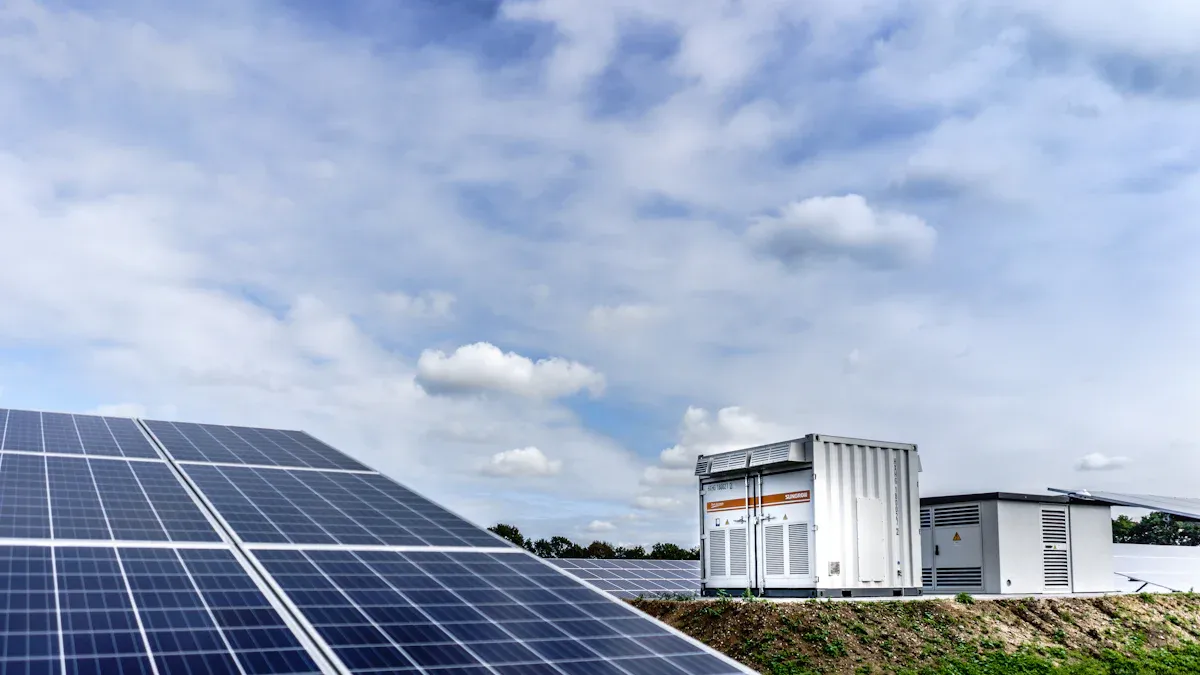
You want your off-grid system to work even when the weather changes or when you use more power than usual. Advanced solar-battery storage gives you this strength. These systems use smart technology to watch your energy use and adjust how much power you store. If you have a sudden power need, your system can react fast. You do not have to worry about losing power at night or during storms.
Tip: Choose batteries that last longer and work well in different temperatures. This helps your system stay strong all year.
You can also add backup options. Some systems let you connect a generator or another energy source. This gives you extra peace of mind.
Optimized Load Shifting and Peak Shaving
You can save money by using your stored energy at the right times. Load shifting means you use your solar power when the sun is out and save battery power for later. Peak shaving helps you avoid using too much energy at once. This keeps your system from getting overloaded.
Here is how you can manage your energy better:
- Run heavy appliances, like washing machines, during the day.
- Use battery power at night or when the sun is not shining.
- Spread out your energy use so you do not use everything at once.
A smart solar-battery system can do this for you. It learns your habits and helps you use energy in the best way.
Improved Energy Utilization
You want to use as much of your solar energy as possible. Advanced systems help you do this by reducing waste. They use smart controls to make sure you do not lose power during storage or conversion. You get more usable energy from every ray of sunlight.
| Feature | Benefit |
|---|---|
| Smart controllers | Less wasted energy |
| High-efficiency panels | More power from the same sun |
| Quality batteries | Longer storage and less loss |
You can see better results when you match your system size to your needs. This means you do not buy more than you need, and you do not run out of power. Advanced solar-battery solutions help you get the most from your investment.
Key Technology Features for ROI
High-Efficiency Solar Modules
You want to get the most power from every ray of sunlight. High-efficiency solar modules help you do this. These panels use advanced materials that turn more sunlight into electricity. You can fit more power into a smaller space. This means you need fewer panels to meet your energy needs. High-efficiency modules also work better in low-light conditions. You get steady power even on cloudy days. When you choose these panels, you lower your costs over time because you get more energy from each panel.
Tip: Look for panels with efficiency ratings above 20%. These give you the best results for your off-grid system.
Bifacial and Next-Gen Panels
Bifacial panels collect sunlight from both the front and the back. You can place them on surfaces that reflect light, like white gravel or metal roofs. This design lets you capture extra energy that standard panels miss. Next-gen panels use new materials, such as thin-film or perovskite, to boost performance. These panels can be lighter and more flexible than older models. You can install them in places where traditional panels do not fit. By using bifacial and next-gen panels, you increase your total energy output and improve your return on investment.
Smart Controllers and Hybrid Inverters
Smart controllers act like the brain of your solar-battery system. They watch your energy use and decide when to charge or discharge your batteries. You do not have to guess when to use your stored power. The controller does it for you. Hybrid inverters work with both solar panels and batteries. They switch between sources to give you the most reliable power. You can also connect a backup generator if you need extra energy. Smart controllers and hybrid inverters help you use your energy wisely and avoid waste.
- Smart controllers balance your energy flow.
- Hybrid inverters let you use solar, battery, or backup power.
- You get steady power with less effort.
Lithium-Ion and LiFePO4 Battery Options
You need strong batteries to store your solar energy. Lithium-ion batteries give you high energy in a small package. They last longer than older battery types. LiFePO4 (Lithium Iron Phosphate) batteries offer even more safety and stability. These batteries handle deep charging and discharging without losing power. You can use them for many years before you need to replace them. Both options work well in off-grid systems. They help you get the most from your solar-battery setup and keep your system running smoothly.
| Battery Type | Lifespan (cycles) | Safety Level | Maintenance |
|---|---|---|---|
| Lithium-Ion | 3,000–5,000 | High | Low |
| LiFePO4 | 4,000–7,000 | Very High | Very Low |
Note: Choose the battery type that matches your climate and energy needs. LiFePO4 batteries work well in hot or cold weather.
Intelligent System Integration and Design
Modular and Scalable Solar-Battery Systems
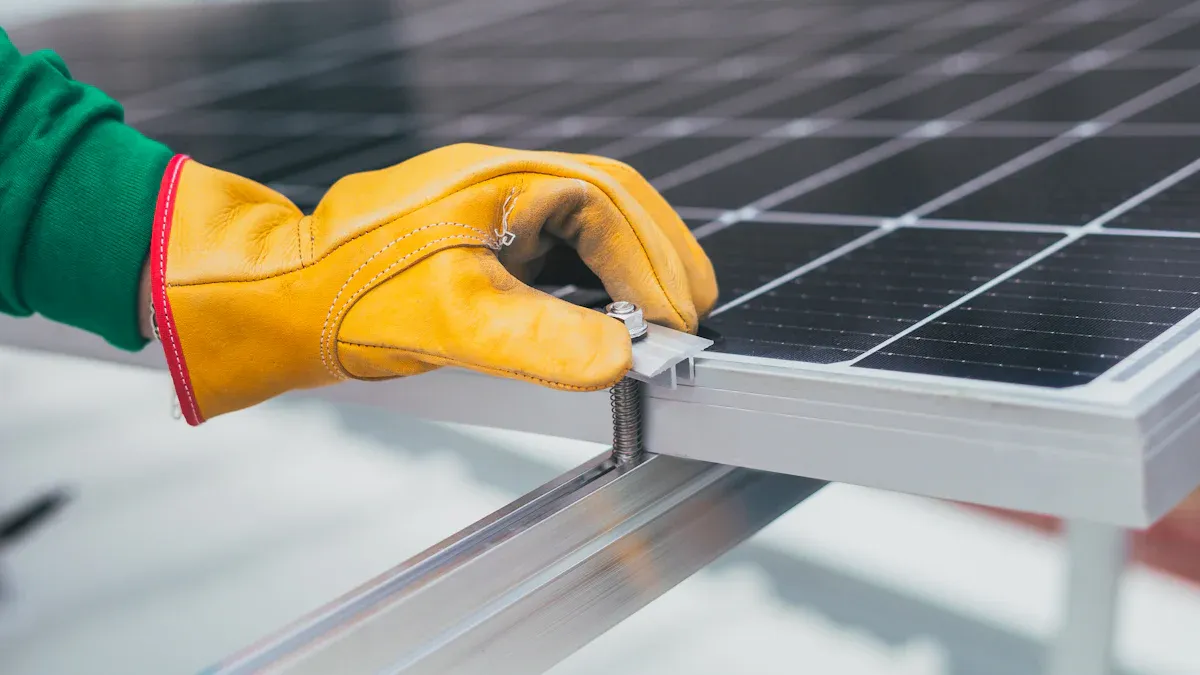
You can start small and grow your system as your needs change. Modular solar-battery systems let you add more panels or batteries over time. This approach helps you avoid spending too much money at the beginning. You can match your energy supply to your real needs. If your family grows or you add new appliances, you can expand your system easily.
Tip: Choose equipment that works well with future upgrades. This makes your system flexible and ready for changes.
Plug-and-Play Solutions
Plug-and-play solutions make setup simple. You do not need to be an expert to install these systems. Most parts come pre-wired and ready to connect. You can save time and reduce mistakes during installation. Many companies offer kits that include everything you need. You just follow the instructions and plug the parts together.
- Easy to install
- Less risk of wiring errors
- Faster setup
Plug-and-play options help you get your solar-battery system running quickly.
Energy Management Systems (EMS)
An Energy Management System (EMS) acts like a smart assistant for your power needs. It tracks how much energy you use and when you use it. The EMS helps you make the best use of your stored power. You can see reports and get alerts if something needs attention. Some EMS options let you control your system from your phone or computer.
| EMS Feature | Benefit |
|---|---|
| Usage tracking | Find ways to save |
| Remote control | Manage from anywhere |
| Alerts | Fix problems quickly |
A good EMS helps you get the most value from your solar-battery setup.
Industry Trends Impacting Solar-Battery ROI
Declining Battery and Component Costs
You can now buy batteries and solar components for less money than ever before. Prices have dropped because factories make more products and new technology keeps improving. This means you spend less when you build or upgrade your off-grid system. Lower costs help you reach your return on investment faster. You can also afford better quality parts, which last longer and work better.
Tip: Watch for sales or bulk discounts from trusted suppliers. These deals can help you save even more on your system.
Incentives and Financing Options
You have access to many programs that make solar more affordable. Some governments offer tax credits or rebates when you install solar systems. Banks and solar companies also give you special loans or payment plans. These options let you start your project with less money up front. You can pay over time while you enjoy lower energy bills.
- Check for local, state, or federal incentives.
- Ask your installer about financing plans.
- Use online tools to find the best deals in your area.
Sustainability and Long-Term Value
You help the planet when you choose solar energy. Solar systems do not pollute the air or water. They use the sun, which is a clean and endless resource. Over time, your system gives you free power and needs little upkeep. You also add value to your property. Many people want homes with solar power because it saves money and helps the environment.
| Benefit | Impact |
|---|---|
| Clean energy | Less pollution |
| Low upkeep | Fewer repairs needed |
| Home value | Higher resale price |
You can boost your ROI by choosing advanced solar-battery storage and smart integration. Invest in high-efficiency parts. Follow best practices for design, sizing, and maintenance. Stay alert for new technology and incentives. These steps help you save money and get the most from your off-grid system.
FAQ
How long do solar-battery systems last?
Most systems last 10–15 years. You can extend lifespan with regular cleaning and by choosing high-quality batteries.
Tip: Check your system every year for best results.
Can you add more batteries later?
Yes, you can expand most modular systems. You just connect new batteries as your energy needs grow.
What maintenance does your off-grid system need?
You clean panels, check battery health, and update software. Most modern systems need little upkeep.
| Task | How Often |
|---|---|
| Clean panels | Every 3 months |
| Check batteries | Twice a year |
| Update software | As needed |