
 Mobile Generator
Solar Generators vs. Grid-Tied Power Which is Right for Your Project?
I know the optimal solar solution depends entirely on your unique project needs. Your specific energy goals, budget, and location dictate the best power system for you. Understanding the fundamental differences, including solar generator and solar project management, is key to an informed decision for your long-term energy strategy.
Key Takeaways
- Standalone solar systems give you full energy freedom. They work without the main power grid. They need batteries to store power for night or cloudy days.
- Grid-tied solar systems connect to the main power grid. They can lower your electricity bill. They do not work when the main grid power goes out.
- Choose your solar system based on your needs. Think about your budget, where you live, and if you want power during outages. Both systems help the environment.
Understanding Standalone Solar Generators
How Standalone Systems Operate
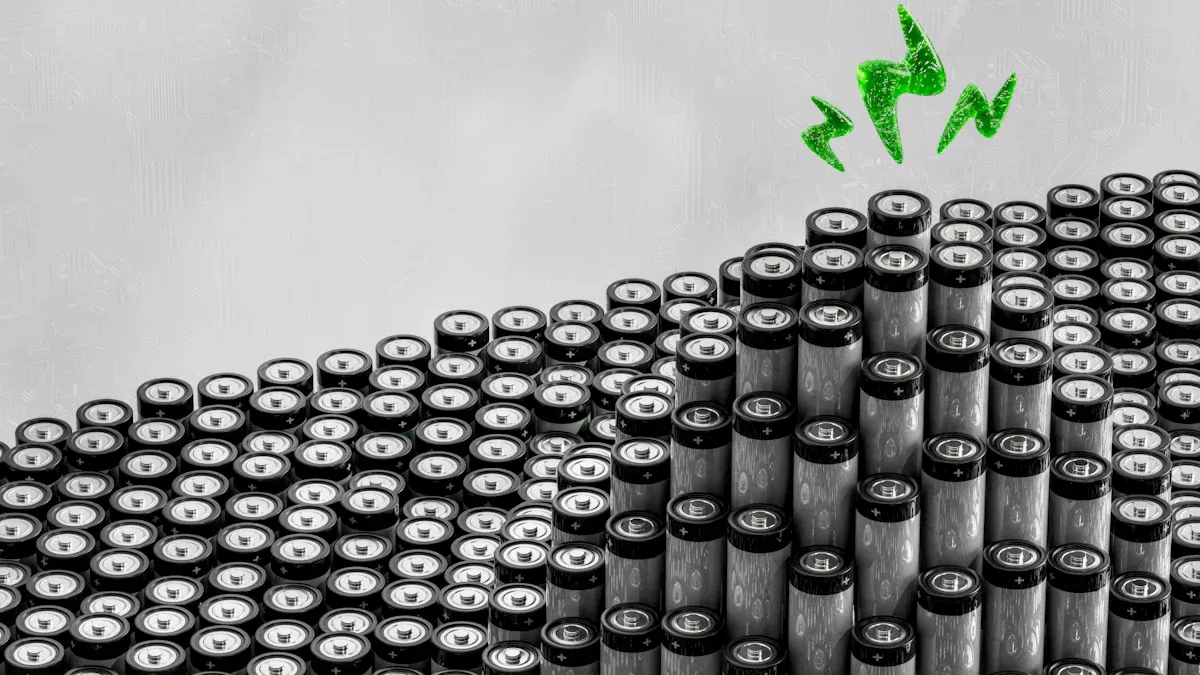
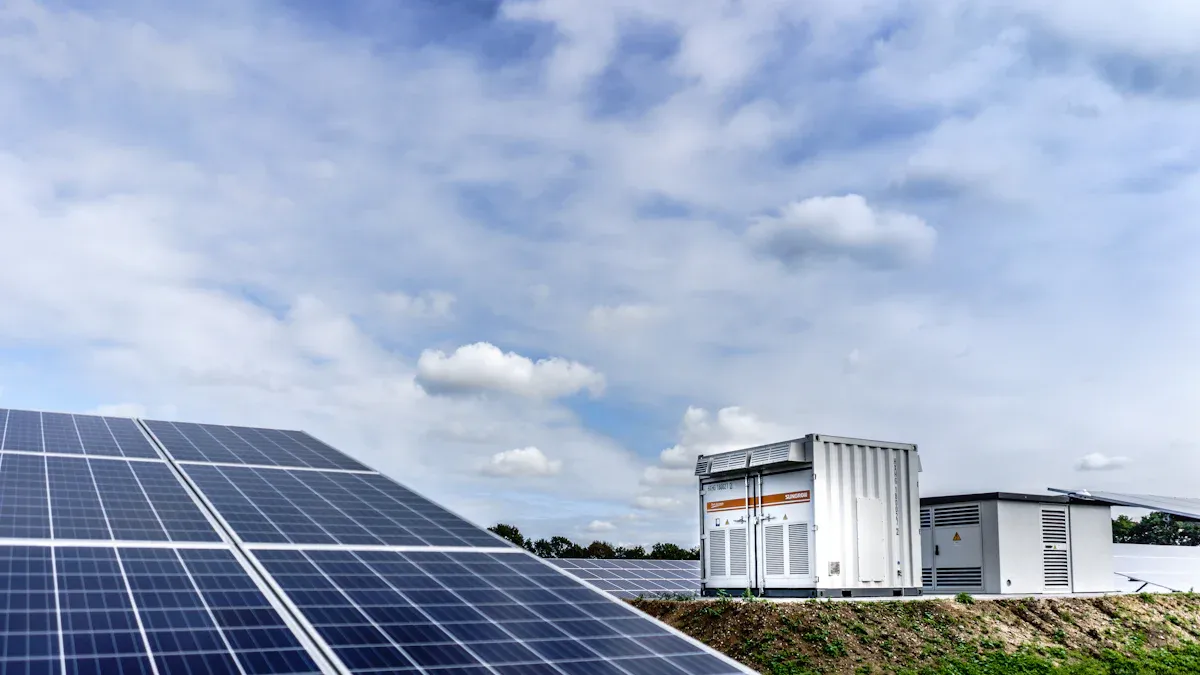
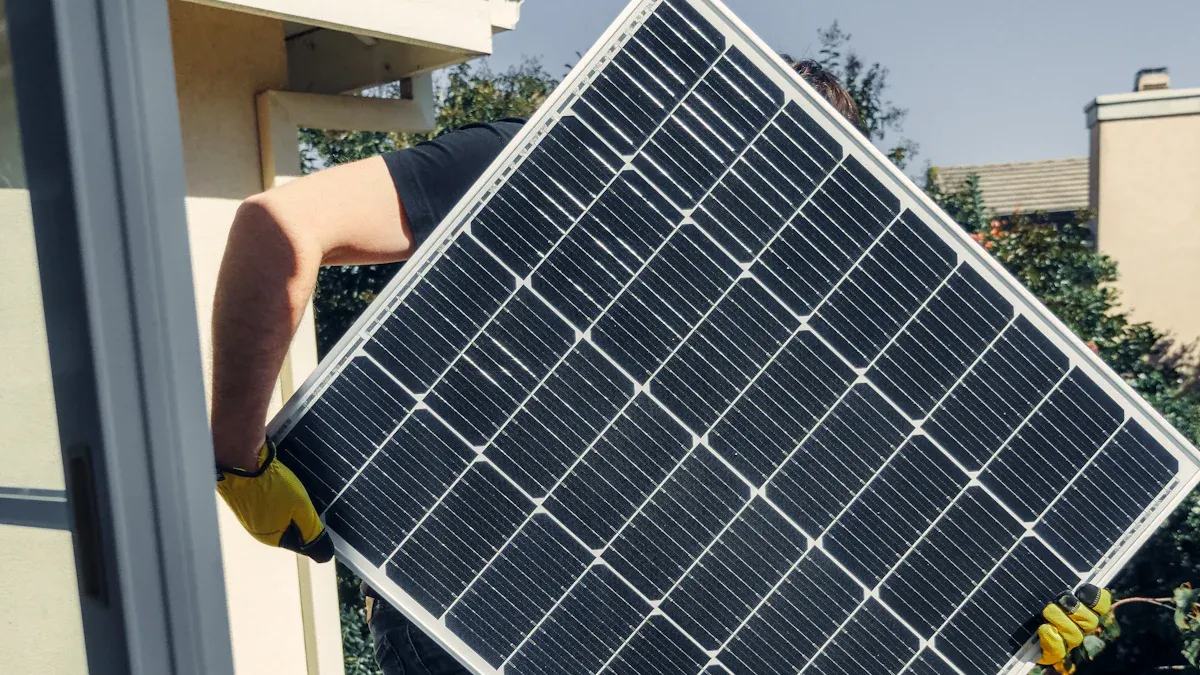
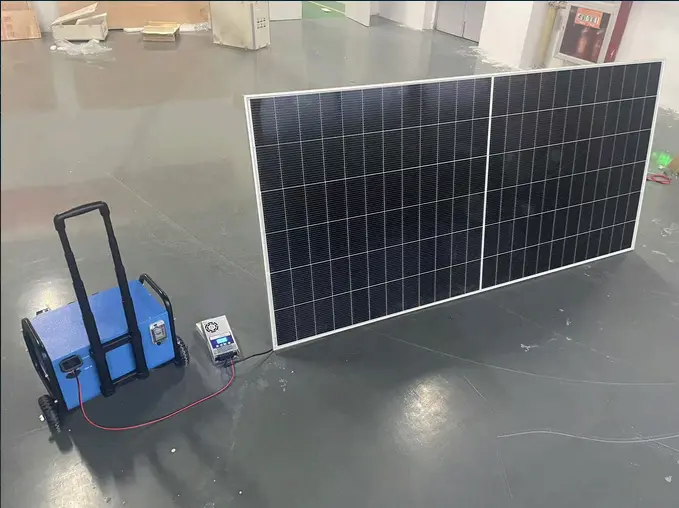
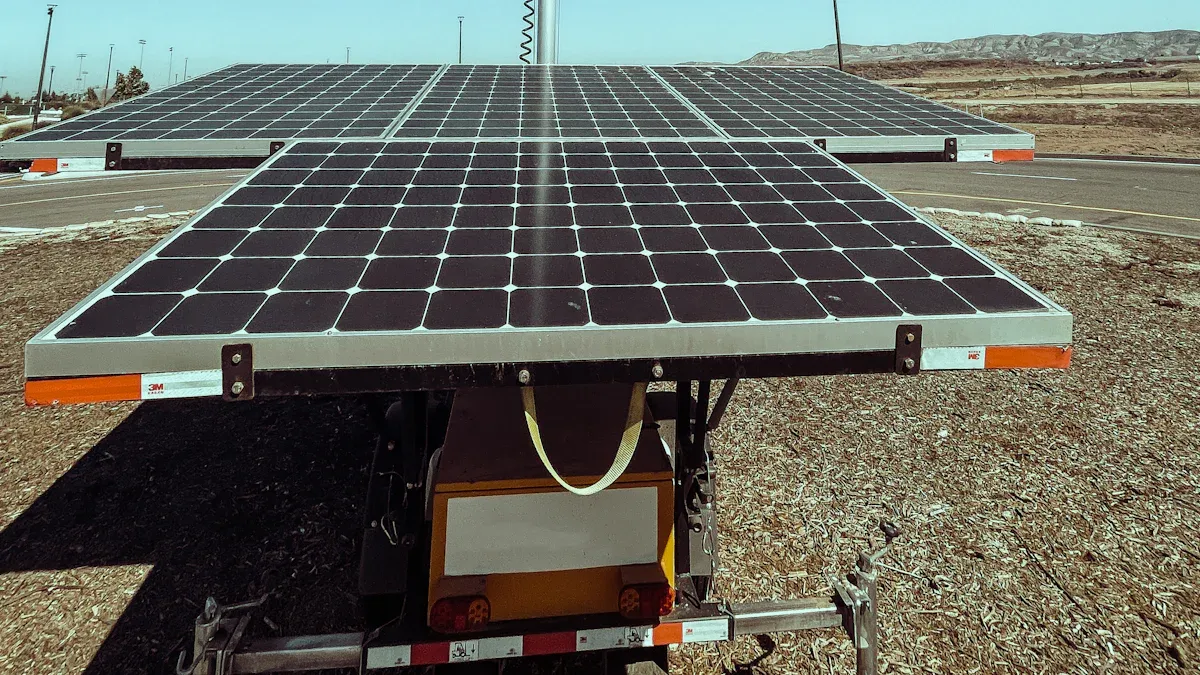
Standalone solar generators work completely independently from the main electrical grid. I find this fascinating. Solar panels, which contain photovoltaic (PV) cells, are the core. These cells absorb sunlight. This absorption causes electrons to release from atoms, creating an electric current. We call this the photovoltaic effect. This current is direct current (DC). For most home appliances, we need alternating current (AC). So, an inverter converts the DC to AC. A crucial part of an off-grid solar with battery backup system is the battery storage. It stores any extra energy the panels produce. This ensures I have power even when the sun is not shining, like at night or on cloudy days. Controllers manage the battery charging and discharging, keeping everything running smoothly. Advanced setups might even use bifacial PV + lithium storage for better efficiency and longevity.
Advantages of Standalone Solar
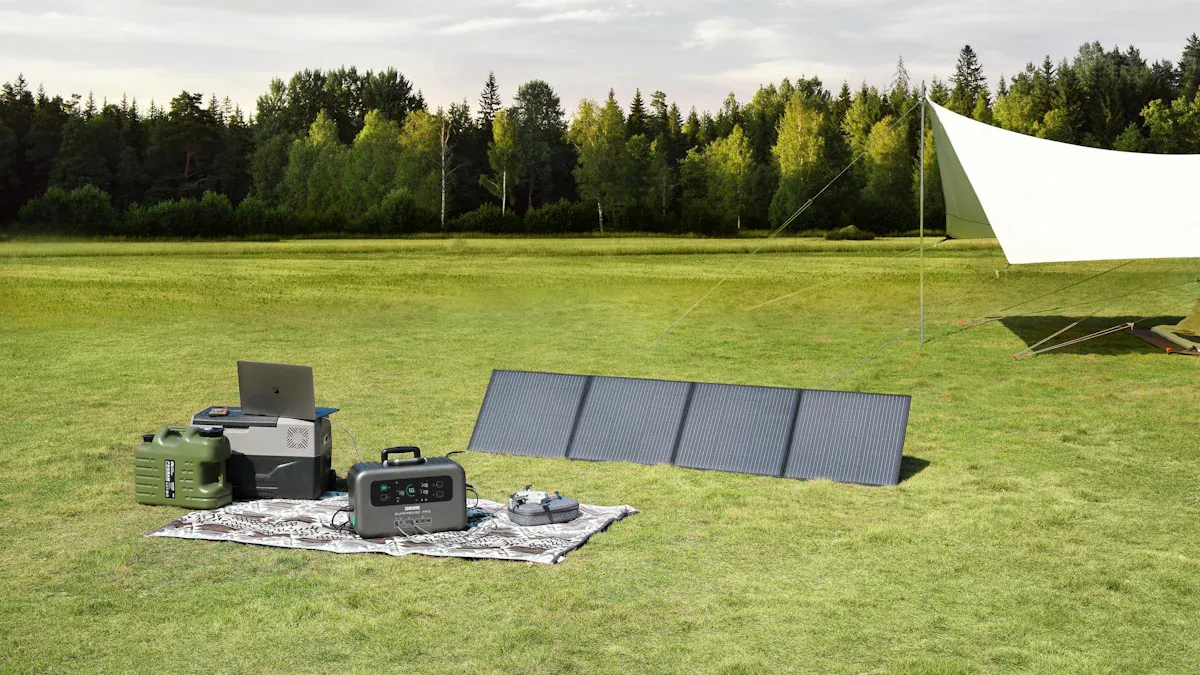
The biggest advantage I see with standalone solar is true energy independence. I do not rely on public utilities at all. This means unexpected grid outages will not disrupt my power supply. After the initial installation, I eliminate monthly electricity bills because I generate all my own power. This financial freedom is a huge benefit. Standalone systems are also perfect for remote locations where connecting to the grid is too expensive or impossible. Imagine setting up an off-grid solar power plant in a cabin far from civilization; it provides reliable power where no other option exists. A foldable solar generator or a towable solar genset offers incredible portability for temporary needs.
Limitations of Standalone Solar
Despite the benefits, standalone solar systems have some limitations. The upfront cost can be higher, especially due to the need for a robust battery bank. These systems rely entirely on sunlight and battery capacity. If I have several cloudy days in a row, or if my battery bank is too small, I might run out of power. Scalability can also be a challenge. If my energy needs grow significantly, I might need to add more panels and batteries, which means more investment and planning for my solar generator and solar project management.
Understanding Grid-Tied Solar Systems
How Grid-Tied Systems Function
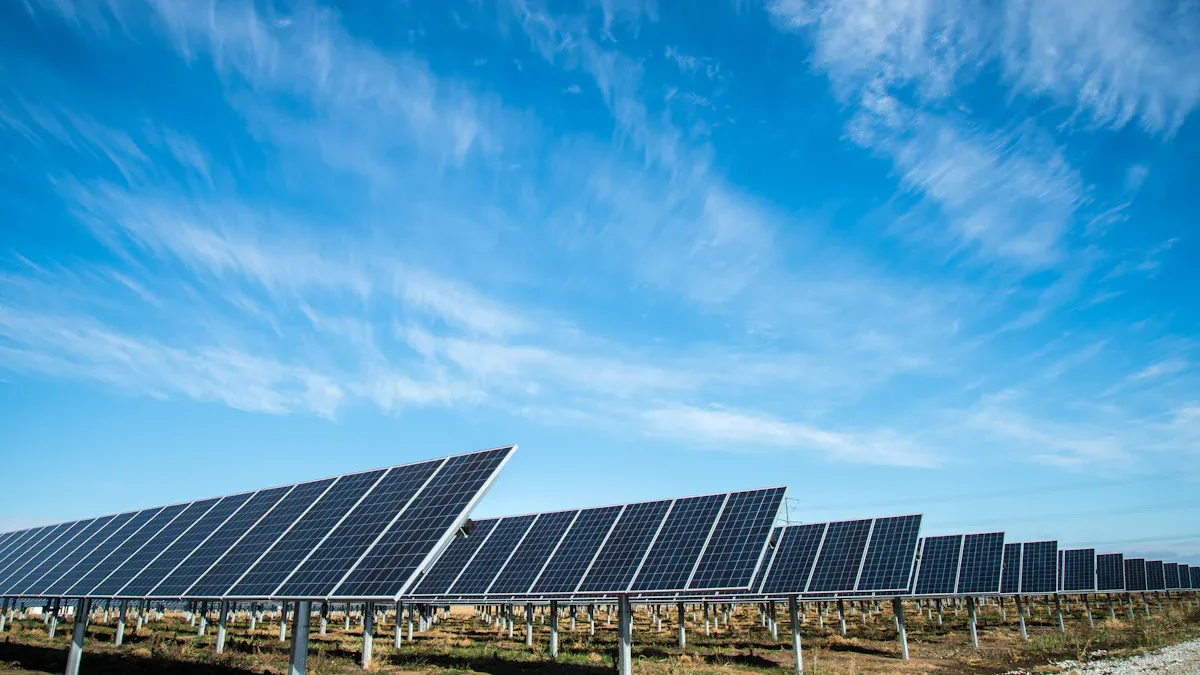
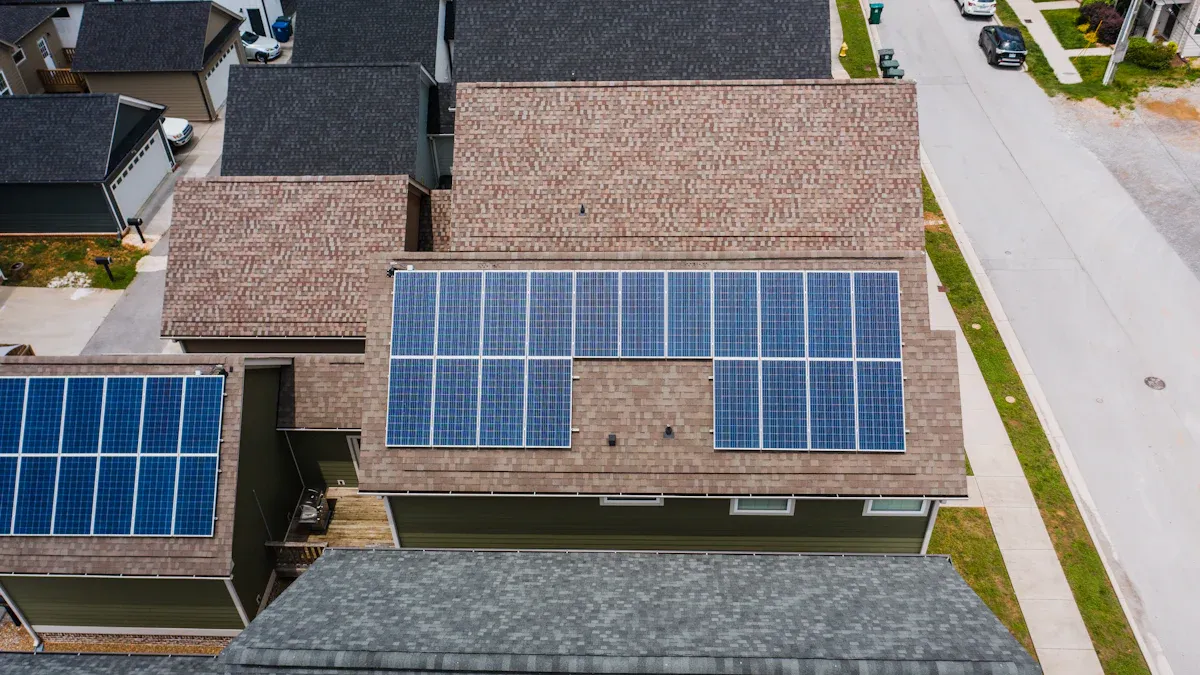
Grid-tied solar systems connect directly to your local utility grid. I find this connection very practical. Solar panels generate electricity, just like in standalone systems. This electricity is DC. An inverter then converts it to AC power. Your home uses this AC power first. If your panels produce more electricity than your home needs, the excess goes back into the utility grid. This is where Net Metering becomes important. I get credits for this extra energy I send back. A Net Meter records both the electricity I use from the grid and the excess I send back. These credits help lower my electricity bill. If my panels do not produce enough power, like at night, I draw electricity from the grid.
Advantages of Grid-Tied Solar
Grid-tied solar offers several clear advantages. I usually see lower upfront costs compared to standalone systems. This is because I do not need a large battery bank. The grid acts as my "battery." I also benefit from the reliability of the grid. If my solar panels have an issue, I still have power from the utility company. Net metering can significantly reduce or even eliminate my monthly electricity bills. I can even earn money in some areas by selling excess power back to the grid. This system is often simpler to install and maintain.
Limitations of Grid-Tied Solar
Despite the benefits, grid-tied systems have some limitations. I remain dependent on the utility grid. If the grid goes down, my solar system also shuts off for safety reasons. This means I lose power during outages, even if the sun is shining. I also do not achieve full energy independence. My electricity rates can still fluctuate based on utility company policies. Expanding my system might require approval from the utility company.
Direct Comparison: Key Decision Factors
When I compare solar generators and grid-tied systems, I look at several important factors. These factors help me decide which system is best for a specific project. I consider the money I spend, how reliable the power is, if I can make the system bigger later, and what it means for the environment.
Upfront and Long-Term Costs
I know that cost is often a big part of any decision. For standalone solar generators, the initial cost can be higher. This is mainly because I need to buy a battery bank. Batteries are expensive, but they store power for when the sun is not shining. I also need to think about replacing these batteries every few years. This adds to the long-term cost. However, once I pay for the system, I usually do not have monthly electricity bills.
Grid-tied solar systems often have a lower upfront cost. I do not need a large battery bank because the grid acts as my backup. This saves me money at the start. My long-term costs include a smaller electricity bill, but I still pay for grid access. I might also get money back from net metering, which helps offset costs. I find that the financial benefits of grid-tied systems often come from reducing or eliminating those monthly utility payments.
Energy Independence and Reliability
Energy independence is a major reason I consider solar. With a standalone solar generator, I achieve complete independence. I do not rely on the utility company at all. This means I have power even if the grid goes down. However, my reliability depends on the weather and my battery capacity. If I have many cloudy days, or if my battery bank is too small, I might run out of power.
Grid-tied systems offer a different kind of reliability. I am still connected to the main power grid. If my solar panels stop working, I still get electricity from the utility. This is a big plus for consistent power. The downside is that if the grid goes down, my solar system also shuts off. This is a safety feature for utility workers. So, I do not have power during an outage, even if my panels are producing electricity.
Scalability and Future Expansion
I always think about future needs when planning a solar project. Scalability means how easy it is to make my system bigger. For standalone solar generators, expanding can be more complex. If my energy needs grow, I might need to add more solar panels and more batteries. This means more investment and careful planning for my solar generator and solar project management. I need to make sure all components work well together.
Grid-tied systems are often easier to scale. If I need more power, I can usually add more solar panels to my existing setup. I might need to upgrade my inverter, but I do not typically need to worry about adding a large battery bank. The utility grid can handle the extra power I produce or provide the extra power I need. This makes future expansion simpler for me.
Environmental Impact and Maintenance
Both standalone and grid-tied solar systems are great for the environment. They both use clean energy from the sun. Using solar technology for energy generation has led to a reduction in greenhouse gas (GHG) emissions by approximately 96% compared to coal. This shows a huge environmental benefit over fossil fuels. I know that fossil fuels create very unsustainable energy systems. They are limited, and they release high levels of greenhouse gas (GHG) emissions. This makes switching to renewable energy like solar power necessary for a sustainable future. Solar helps reduce global warming.
Adopting solar technology helps me reduce my carbon footprint. I contribute to a cleaner, more sustainable future. Fossil fuels cause a lot of environmental pollution, greenhouse gas emissions, and climate change. These lead to bad weather, rising sea levels, and other environmental problems.
In terms of maintenance, both systems need some care. I usually need to keep my solar panels clean. For standalone systems, I also need to monitor my batteries. Batteries need proper care to last longer. Grid-tied systems generally require less hands-on maintenance because I do not have a battery bank to manage.
Making Your Choice: Scenarios and Recommendations
I find that choosing the right solar system depends on your specific situation. I look at different scenarios to help make the best recommendation.
Best for Off-Grid Living and Remote Locations
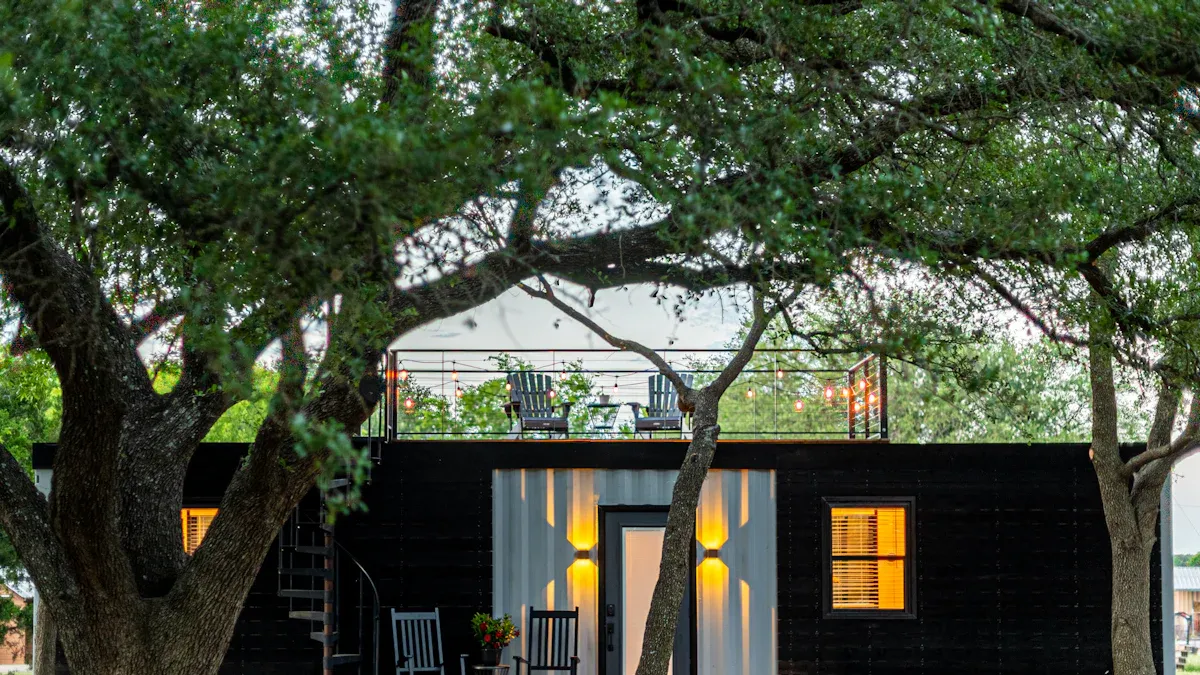
If you live in a remote area or want complete independence, a standalone solar generator system is usually the best choice. I see this often for cabins, tiny homes, or even large off-grid solar power plant setups far from utility lines. Connecting to the grid in these places is often too expensive or simply not possible. With a standalone system, you generate all your own power. You store it in batteries for use at night or on cloudy days. I have seen advanced setups use bifacial PV + lithium storage for maximum efficiency and longevity. For temporary needs or mobile applications, a foldable solar generator or a towable solar genset offers great flexibility. This type of off-grid solar with battery backup gives you true energy freedom.
Ideal for Urban and Suburban Homes
For most homes in urban or suburban areas, I recommend a grid-tied solar system. You already have access to the utility grid. This system allows you to reduce or eliminate your electricity bill through net metering. You do not need to invest in a large battery bank. The grid acts as your backup. This makes the upfront cost lower. It also simplifies maintenance. You still have power from the grid if your solar panels are not producing enough.
Considerations for Emergency Backup Power
Many people want solar for emergency backup. I understand this desire for security. If you choose a grid-tied system, you will need to add battery storage and a special inverter to have power during an outage. This creates a hybrid system.
Here are the essential components I consider for a solar emergency backup power system:
- Solar Panels: These are the foundation. They convert sunlight into electricity. Residential panels typically last 25-30 years. They degrade slowly over time.
- Hybrid Inverter: This is the system's "brain." It manages energy flow. It converts solar DC power to AC for your home. It charges batteries with excess solar energy. It uses stored battery power when solar is low. It can also send surplus energy to the grid or draw from it if needed.
- Battery Storage: This allows you to use solar energy when the sun is not available. Common types include:
- Lead-acid: These are lower cost but have a shorter lifespan.
- Lithium-ion: These have higher energy density and a longer cycle life. They are popular for homes.
- Flow batteries: These offer a long lifespan and are scalable. I often recommend lithium-ion batteries, especially LiFePO4. They are safe and can last 10-15 years. They allow up to 80% discharge. A 10-15 kWh system often provides 24-48 hours of backup for essential items. These include refrigerators, lighting, and communication devices. Modular systems are available for future expansion.
For emergency backup, I also look at the number of panels. Typically, 4-6 panels (200-400 watts each) are needed for essential appliances. Monocrystalline or polycrystalline options are good for efficiency and cost. Mounting can be on a south-facing roof or ground-mounted. Ground mounts allow easier maintenance and angle adjustment. Portable panels offer flexibility. Inverters convert DC power from panels and batteries into usable AC power. Hybrid inverters are valuable for emergency systems. They can seamlessly switch between grid and battery power. Control systems monitor power generation, consumption, and storage. They manage power flow and prevent overload. I look for high-efficiency inverters (95%+) and control systems with automatic shutdown features. This careful planning is part of good solar generator and solar project management.
Assessing Your Energy Consumption Needs
Before making any choice, I always assess energy consumption. You need to know how much power you use. Look at your electricity bills. They show your monthly kilowatt-hour (kWh) usage. You can also list all your appliances. Note their wattage and how many hours you use them each day. This helps you calculate your daily energy needs. This calculation tells you the size of the solar system you need. It also helps determine the necessary battery capacity for standalone or backup systems. Understanding your needs is the first step to finding the right solar solution.
Solar Generator and Solar Project Management
Planning for Your Solar Investment
I know careful planning is the first step for any successful solar project. I always start by understanding my energy needs. This helps me choose the right system size. I also research available financial support. Experts propose stimulating the development of microgeneration. They suggest targeted credits for buying renewable energy equipment. This can make solar more affordable. Many solar panel companies offer financing options. These plans help me spread out the cost of installing a system over time. I find these options very helpful for managing my budget. I also consider my location and local regulations. This ensures my project meets all requirements.
Managing System Installation and Operation
After planning, I focus on installation and ongoing management. I choose qualified installers. They ensure my system works safely and efficiently. For a standalone system, I make sure the battery bank is correctly sized and installed. I also learn how to monitor my system's performance. This includes checking power generation and battery levels. Regular maintenance is important. I keep my panels clean. I also check connections. This proactive approach is key to effective solar generator and solar project management. It helps my system last longer and perform its best.
I believe the best solar system perfectly aligns with your specific requirements. You must carefully evaluate your budget, location, energy goals, and desire for independence. There is no universal "best" option. The right choice fits your unique situation and offers long-term value. I know most solar panels last 25–30 years, and their efficiency keeps improving.
FAQ
What is the main difference between standalone and grid-tied solar?
I see standalone systems as fully independent. They use batteries. Grid-tied systems connect to the utility grid. They often use net metering.
Can I have power during an outage with a grid-tied system?
No, I cannot. Grid-tied systems shut off during outages for safety. I need a battery backup and a special inverter for power during blackouts.
Why are batteries important for standalone solar?
I find batteries crucial for standalone systems. They store excess solar energy. This allows me to use power at night or when the sun is not shining.