
 Mobile Generator


Solar Off-Grid Power Generation Systems and Alternatives
Choosing the right power solution depends on unique needs. Many remote households now rely on Solar Off-Grid Power Generation System options due to cost and flexibility.
| Aspect | Statistic / Description |
|---|---|
| Share of new off-grid connections from renewables | ~90%, mainly solar and wind |
| Solar mini-grids: least expensive option (Africa) | Supported by World Bank estimates |
Factors such as reliability, energy independence, and location influence this choice.
Key Takeaways
- Solar off-grid power systems provide reliable electricity for remote locations without grid access, offering energy independence and flexibility to match different needs.
- Grid-tied and hybrid solar systems can be more cost-effective and easier to maintain where reliable grid access exists, with hybrid systems adding backup power and flexibility.
- Choosing the right solar system depends on location, budget, energy needs, and local regulations; careful site assessment and comparing installer options help ensure the best long-term solution.
Solar Off-Grid Power Generation System vs. Alternatives
Who Benefits Most from Off-Grid Systems
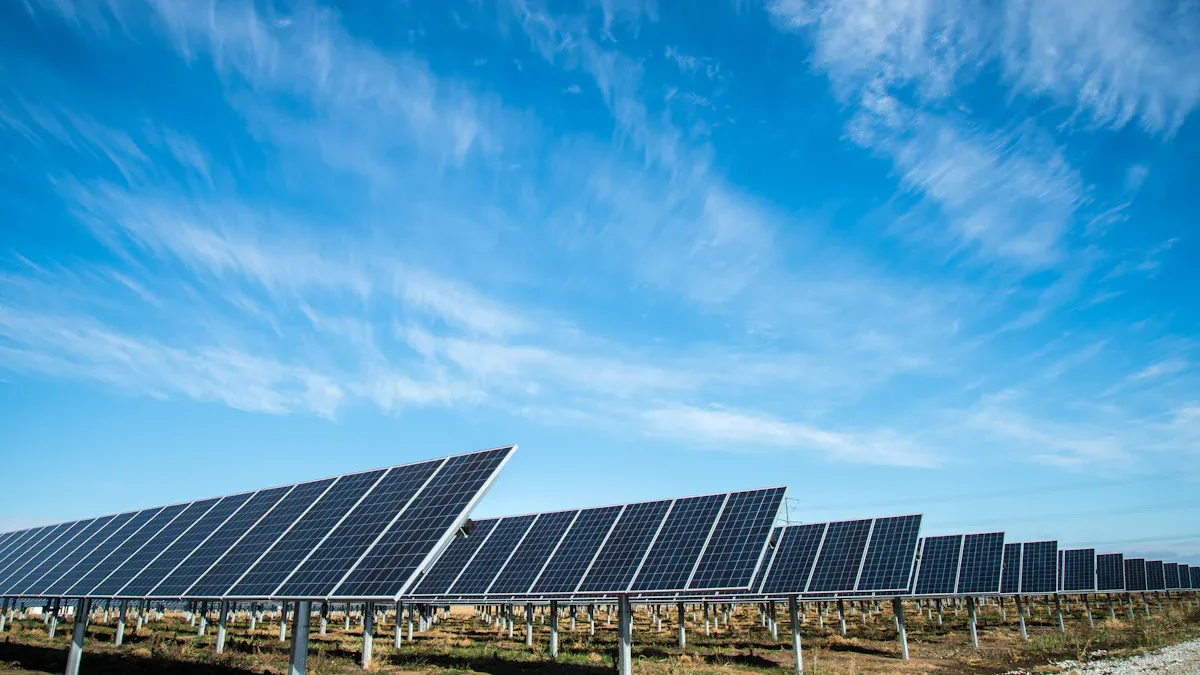
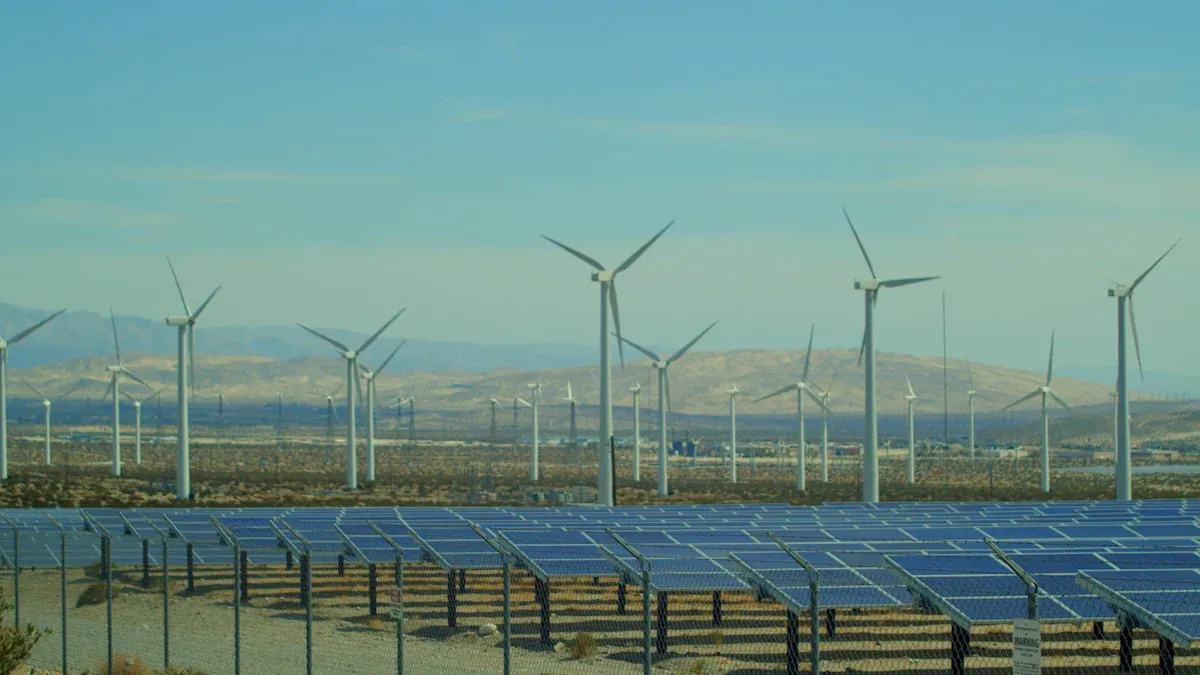
A solar off-grid power generation system provides reliable electricity in locations where the utility grid does not reach. Remote cabins, telecommunication sites, and small households often depend on these systems for daily power needs. Rural communities and disaster recovery zones also benefit from off-grid solar solutions. These systems support lighting, cooking, and device charging, improving living standards and economic opportunities.
Off-grid solar systems offer flexibility and scalability. Users can adjust system size to match their energy needs. This makes them ideal for properties far from civilization or for those seeking energy independence. People who manage their electricity usage and use propane appliances can optimize system size and cost.
The following table highlights typical users and locations for solar off-grid power generation systems:
| Off-Grid System Type | Typical Users / Locations | Description |
|---|---|---|
| Stand-alone systems | Remote cabins, telecom sites, small homes | Independent power supply in areas without grid access |
| Hybrid systems | Areas with variable sunlight or high demand | Combine solar with generators or wind turbines for reliable power |
| Mini-grid systems | Small communities, schools | Scalable systems for multiple users in off-grid regions |
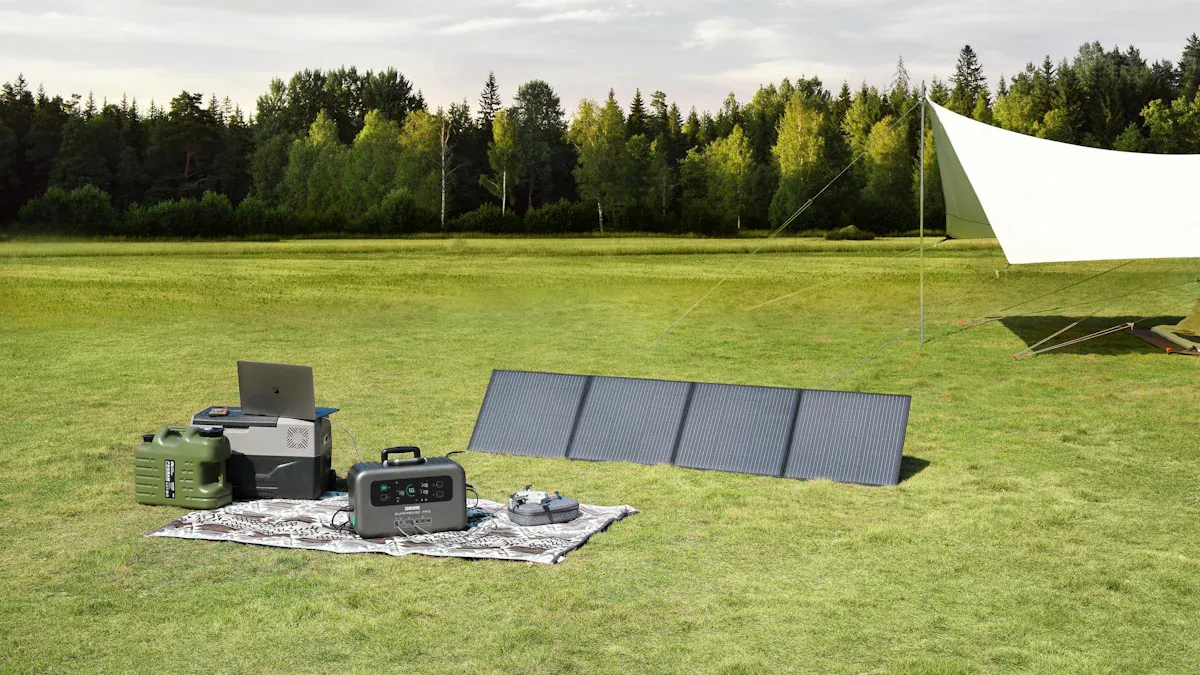
| Portable systems | Mobile or temporary needs | Transportable off-grid power solutions |
Residential users gain backup power during outages. Commercial sites such as mines and construction areas use off-grid solar to reduce operational costs and avoid unstable grid power. Industrial and community settings rely on mini-grids for stable electricity and quick deployment in emergencies.
- Properties located far from the grid
- Users seeking energy independence
- Locations where grid extension is impractical or expensive
- Those who reduce peak consumption and storage costs
When Alternatives Make More Sense
Alternatives to solar off-grid power generation systems, such as grid-tied solar or diesel generators, may provide better value in certain scenarios. Grid-tied solar systems suit areas with reliable utility access. These systems avoid the need for expensive batteries and benefit from net metering, which allows users to earn credits for excess energy sent to the grid.
Hybrid systems that combine solar with diesel generators or grid connection offer lower operating costs and improved reliability. They maintain efficient operation under higher loads and solar radiation, reducing fuel consumption and emissions. Grid-tied hybrid systems have lower net present cost and levelized cost of electricity compared to standalone off-grid systems.
The table below compares installation and maintenance costs between solar panel systems and generator systems:
| Cost Factor | Solar Panel System | Generator System |
|---|---|---|
| Initial Investment | Higher ($15,000–$25,000) due to batteries and storage | Lower ($3,000–$8,000) but excludes fuel costs |
| Energy Cost per kWh | $0 after installation | Diesel $0.34, Gasoline $0.73 per kWh |
| Annual Maintenance | Minimal (cleaning and inspection) | Regular upkeep, oil changes, part replacements |
| Fuel Costs | None | Significant and fluctuating |
| Expected Lifespan | 25–30 years (panels) | 10–15 years (generators) |
Solar off-grid power generation systems require expensive components such as deep-cycle batteries and Off-Grid Inverters. Battery maintenance is critical and costly. Installation is complex and needs precise sizing. These systems do not benefit from net metering, removing potential revenue from excess energy.
Alternatives make more sense in the following situations:
- High upfront costs are a concern.
- Battery storage limitations may cause power shortages during cloudy periods.
- Continuous maintenance requirements are difficult to manage.
- Reliable grid access is available.
- Large energy demands exceed the practical capacity of off-grid systems.
Diesel generators, while versatile, have a significant environmental impact due to carbon emissions and air pollution. Solar energy reduces carbon emissions and provides resilience against fossil fuel price volatility. However, diesel-based hybrid systems may offer lower energy costs but incur higher environmental and health damages.
The environmental impact of different systems is shown below:
| Pollutant | PV/Biomass/Battery | PV/Diesel/Battery | PV/MGT/Battery | PV/Battery |
|---|---|---|---|---|
| CO2 (kg/yr) | 0 | 106,310 | 53,119 | 0 |
| CO (kg/yr) | 0 | 674 | 129 | 0 |
| Unburned Hydrocarbon | 0 | 29.2 | 0 | 0 |
| Particulate Matter | 0 | 40.4 | 3.65 | 0 |
| SOx (kg/yr) | 0 | 260 | 132 | 0 |
| NOx (kg/yr) | 0 | 539 | 271 | 0 |
Solar off-grid power generation systems, especially those integrated with biomass, produce no harmful emissions. Diesel and micro gas turbine systems emit significant pollutants. Pure solar PV/battery systems have zero emissions, making them environmentally superior.
Types of Solar Power Systems Explained
Solar Off-Grid Power Generation System
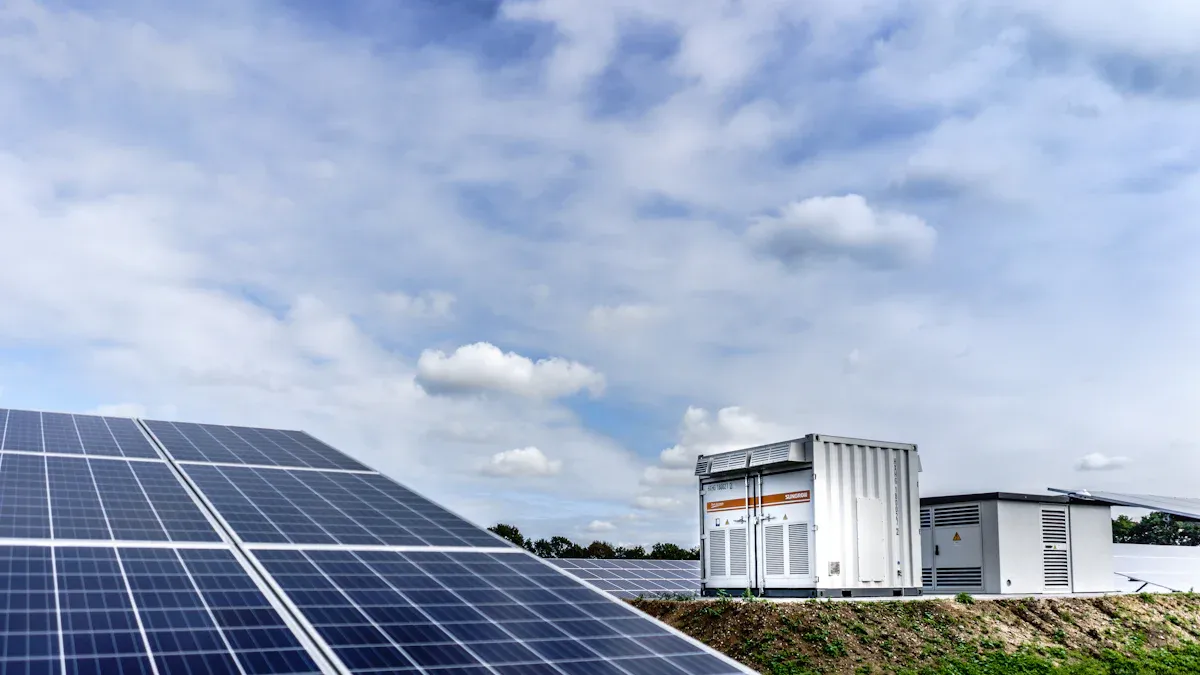
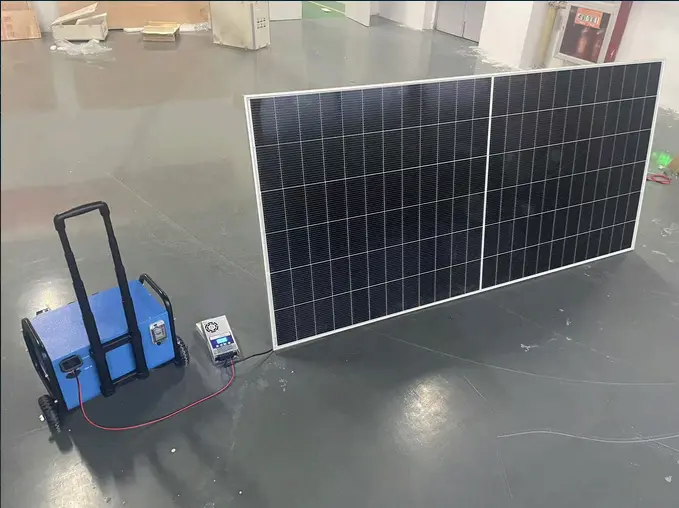
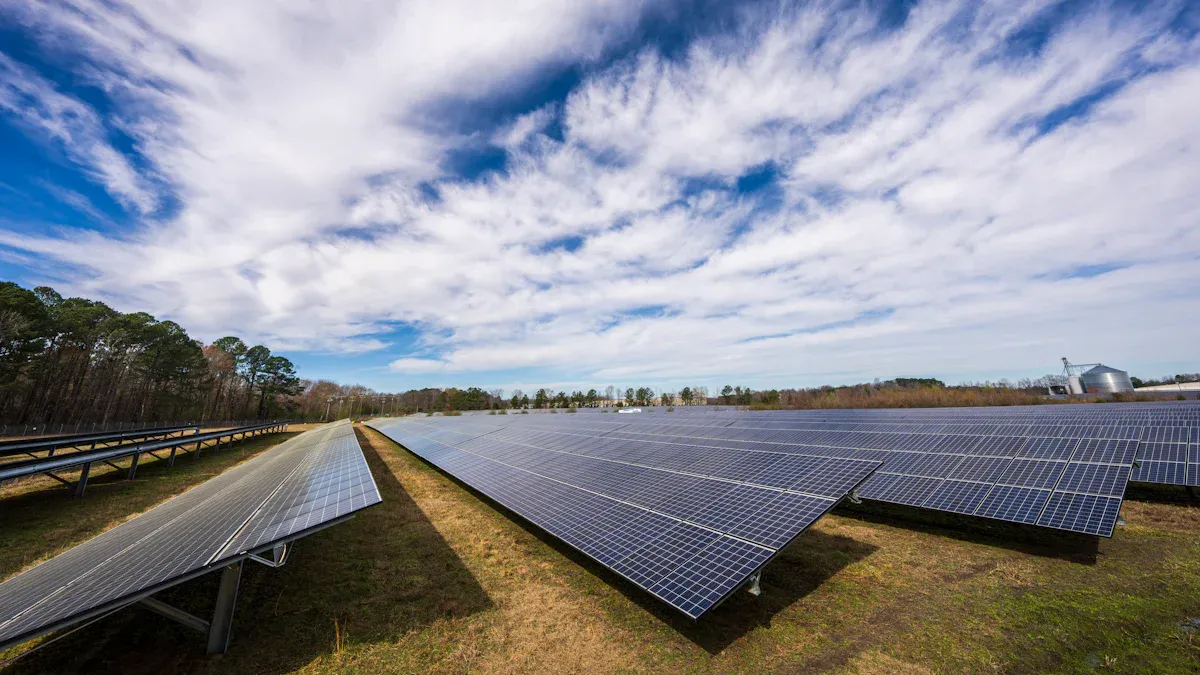
A solar off-grid power generation system operates independently from the utility grid. It uses several key components to deliver reliable electricity. Photovoltaic panels convert sunlight into direct current (DC) electricity. Solar controllers regulate the flow of energy and protect batteries from overcharging. Energy storage batteries store electricity for use at night or during cloudy weather. Inverters change DC power into alternating current (AC) for household appliances. Off-grid switch cabinets provide lightning protection and control system switching. Photovoltaic brackets support the panels and ensure durability.
| Component | Description and Role |
|---|---|
| Photovoltaic Panels | Convert sunlight into DC electricity; types include monocrystalline and polycrystalline silicon panels. |
| Photovoltaic Brackets | Support structure made from aluminum alloy or galvanized steel. |
| Off-grid Switch Cabinets | Control switching and provide lightning protection. |
| Energy Storage Batteries | Store electricity; types include lead-acid, lithium iron phosphate, and others. |
| Solar Controllers | Manage operation and protect batteries. |
| Inverters | Convert DC to AC power for household use. |
Residential systems usually have a size around 6-7 kW and use battery banks to cover day and night needs. Commercial or rural systems scale up with larger arrays and battery banks for full energy independence. The solar off-grid power generation system suits remote locations and users who want autonomy.
Grid-Tied Solar Systems
Grid-tied solar systems connect directly to the utility grid. Solar panels generate electricity, which powers appliances and sends excess energy back to the grid. Net metering allows users to earn credits for surplus energy. These systems do not require expensive batteries, making them more affordable upfront. Grid-tied inverters convert DC electricity to AC and synchronize with the grid. The grid acts as backup during nights or cloudy days.
- Residential rooftop installations dominate urban and suburban areas.
- Users benefit from lower electricity bills and increased property value.
- Grid-tied systems shut down during outages for safety, so they do not provide backup power.
Hybrid Solar Systems
Hybrid solar systems combine features of both off-grid and grid-tied systems. They connect to the grid and include battery storage. Hybrid inverters manage electricity flow between solar panels, batteries, and the grid. During outages, batteries supply backup power. Excess solar energy can be sent to the grid for credits. Hybrid systems offer flexibility, balancing energy independence with grid reliability.
| System Type | Benefits | Drawbacks |
|---|---|---|
| Hybrid Solar | Flexibility, backup power, net metering, reduced bills, eco-friendly | Higher upfront costs, more maintenance, requires space, may rely on grid stability |
| Off-Grid Solar | Complete independence, no bills, reliable in remote areas | Larger investment, regular maintenance, limited storage capacity |
| Grid-Tied Solar | Cost-effective, low maintenance, net metering, reliable when grid is stable | No backup during outages, dependent on grid, subject to regulations |
Hybrid solar systems suit users who want backup power and the ability to sell excess energy, while still relying on the grid for support.
Comparing Pros and Cons
Cost Considerations
Cost plays a major role when selecting a power system. Upfront and lifetime expenses differ across system types. The table below compares average costs:
| System Type | Upfront Cost (approx.) | Maintenance Cost | System Lifetime | Notes |
|---|---|---|---|---|
| Off-Grid | $31,081 total | $100/year+ | 20 years | Higher due to batteries and setup |
| Grid-Tied | $800–$1,600 per kW | Low | 20–30 years | No batteries, lower maintenance |
| Hybrid | Between grid-tied and off-grid | Medium | 20–30 years | Balances cost and reliability |
Government incentives, such as tax credits and rebates, can lower installation costs. Many states offer grants and subsidies, making solar systems more affordable. Early rebate programs have proven effective, especially when solar adoption is new. Over time, as costs drop, the impact of incentives lessens.
Reliability and Backup Power
Reliability matters most during outages or in remote areas. A solar off-grid power generation system works independently from the grid. It uses batteries or generators to supply power even when the grid fails. Hybrid systems also provide backup by storing energy in batteries and drawing from the grid if needed. Grid-tied systems, however, shut down during outages for safety, leaving homes without power.
Backup options include:
- Solar panels with batteries: Clean and quiet, but depend on sunlight and battery size.
- Generators: Reliable during long outages, but noisy and require fuel.
- Combined systems: Offer maximum reliability, using solar, batteries, and generators together.
Energy Independence and Control
Off-grid systems deliver complete energy independence. They do not rely on the utility grid, making them ideal for remote locations or those seeking autonomy. Hybrid systems reduce grid reliance by using batteries for backup, but still connect to the grid for extra support. Grid-tied systems depend on the grid for backup and do not work during outages.
Modern systems offer advanced control and monitoring. Users can track energy production, battery status, and system performance in real time. Many systems provide alerts and remote access through mobile apps, helping users optimize energy use and spot issues quickly.
Practical Factors to Consider
Location and Utility Access
Location plays a major role in choosing a solar power system. Urban and suburban areas with stable grid access often favor grid-tied systems. These systems cost less upfront and allow users to benefit from net metering. In Central Java, on-grid systems showed much lower initial costs than off-grid systems because they do not need expensive batteries. On-grid systems also produce more energy each year and require less maintenance. In contrast, remote or rural areas without reliable grid access need off-grid solutions. Off-grid systems provide independence and reliable power, even though they cost more at first. The physical location’s grid accessibility and energy demand profile help determine the best system.
- Budget: Grid-tied systems usually cost less to install.
- Location: Remote sites need off-grid systems to avoid costly grid extensions.
- Energy Needs: Small homes or outage-prone areas benefit from off-grid systems.
Weather and Sunlight
Weather and sunlight affect solar system performance. Solar panels work best in areas with long, sunny days. Peak sun hours, usually 4 to 6 per day, are needed for effective operation. Summer brings more sunlight but high temperatures can lower panel efficiency. Winter means shorter days and more clouds, which can reduce output by up to 80%. Snow may cover panels, but it often slides off. Wind can cool panels and improve efficiency. Dust and humidity can lower performance, but rain helps clean panels. Proper system design, including battery storage, helps maintain power during low sunlight.
Local Regulations
Local rules and permits impact solar installations. Building permits ensure safe structures. Electrical permits check wiring and battery safety. Zoning laws control where and how systems can be installed. Some areas require utility connections, making off-grid systems harder to approve. Homeowners’ Associations may set rules about panel placement and size. States like California have strict codes, while rural areas may have fewer restrictions. Not following permit rules can lead to fines or forced removal. Professional installers often handle permits, but owners should know local requirements.
Decision Guide: Choosing the Right System
Checklist for Matching Your Needs
Selecting the right power solution requires careful evaluation of several criteria. Each factor influences system performance, cost, and long-term satisfaction. The following table outlines essential criteria to consider when choosing between a solar off-grid power generation system and its alternatives:
| Criteria | What to Check / Ask | Why It Matters |
|---|---|---|
| Site Assessment | Location, available space, shading, roof condition, orientation | Maximizes solar output and system feasibility |
| Energy Needs | Review electric bills, peak usage, appliance demand | Ensures correct system sizing |
| Solar Potential | Sunlight exposure, local climate, average sun hours | Determines energy production potential |
| System Design | System type, panel number and size, mounting options | Matches system to site and user requirements |
| Electrical Compatibility | Home electrical system compatibility, needed upgrades | Ensures safe and effective installation |
| Battery Storage | Backup power needs, battery options | Provides reliability during outages |
| Cost and Financing | Quotes from installers, pricing, financing options, total cost estimate | Helps manage budget and investment decisions |
| Incentives and Regulations | Available rebates, permits, net metering policies | Reduces costs and ensures compliance |
| Performance and Payback | Estimated energy production, payback period, long-term savings | Evaluates economic viability |
| Installer Selection | Installer experience, certifications, references | Ensures quality and safety |
Tip: A thorough site assessment and accurate energy usage analysis help prevent under-sizing or over-investment in your system.
When matching a system to specific needs, consider the following key questions:
- What is the main goal—cost savings, energy independence, or backup power?
- Is grid access reliable, or is the location remote?
- How much sunlight does the site receive each year?
- What is the budget and expected savings?
- Are incentives or net metering available?
- How much backup power is required?
- Is battery storage needed for reliability?
- What are the daily and seasonal energy usage patterns?
- How long will the homeowner stay at this location?
- Have multiple installer quotes and credentials been compared?
Economic factors, such as investment cost and local infrastructure, carry the most weight in decision-making. Solar and temperature factors, including annual sunshine duration and solar radiation, also play a significant role. Land suitability and regional climate conditions further influence system selection. Energy deficit stands out as the most critical sub-factor, highlighting the importance of matching system capacity to local energy needs.
Common Scenarios and Recommendations
Choosing between a solar off-grid power generation system and alternatives depends on real-world circumstances. The following scenarios illustrate where each option excels:
- Rural electrification in remote or isolated areas, such as islands and villages, often favors solar off-grid systems. Grid extension is not feasible in these locations.
- Remote villages with limited or unreliable grid access benefit from solar PV off-grid systems. Studies show these systems outperform diesel generators and grid extension in cost and reliability.
- Decentralized power supply needs in rural and remote communities call for integrated solar energy systems. These systems provide stable electricity without dependence on the grid.
- Isolated residential loads, especially in coastal or hot regions, suit hybrid off-grid systems that include solar. These systems balance reliability and efficiency.
- Simulation models support the design and deployment of stand-alone solar PV systems for remote applications. Proper sizing ensures consistent power delivery.
For urban or suburban homes with stable grid access, grid-tied solar systems offer lower upfront costs and net metering benefits. Hybrid systems serve users who want backup power and flexibility. Commercial sites with high energy demands may prefer hybrid or grid-tied solutions for cost efficiency.
Note: Solar off-grid power generation systems are most effective in locations where grid connection is impractical or uneconomical. Users in these areas gain energy independence and reliable power.
Decision-makers should tailor their choice to local climate, geography, and infrastructure. Annual sunshine duration, solar radiation, and energy deficit remain top priorities. Comparing installer experience and certifications ensures safe and effective installation.
Choosing the right power system depends on location, budget, and energy needs. Solar off-grid systems suit remote areas. Grid-tied or hybrid systems work best where the grid is reliable.
Next steps: Assess site conditions, compare installer quotes, and review local incentives. Make an informed decision for long-term energy success.
FAQ
What is the main difference between off-grid and grid-tied solar systems?
Off-grid systems work independently from the utility grid. Grid-tied systems connect to the grid and use it as backup when solar power is not available.
How long do solar off-grid batteries usually last?
Most solar off-grid batteries last between 5 and 15 years. Battery lifespan depends on usage, maintenance, and battery type.
Can a solar off-grid system power a whole house?
A properly sized off-grid system can power a whole house. The system must match the home's energy needs and include enough battery storage.