
 Mobile Generator

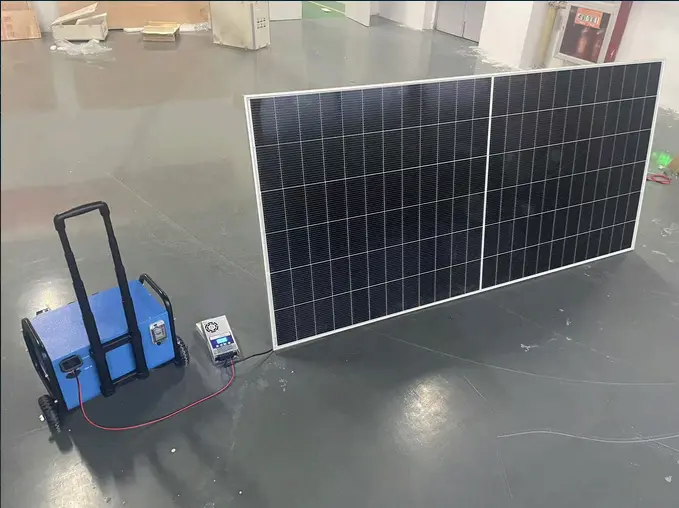
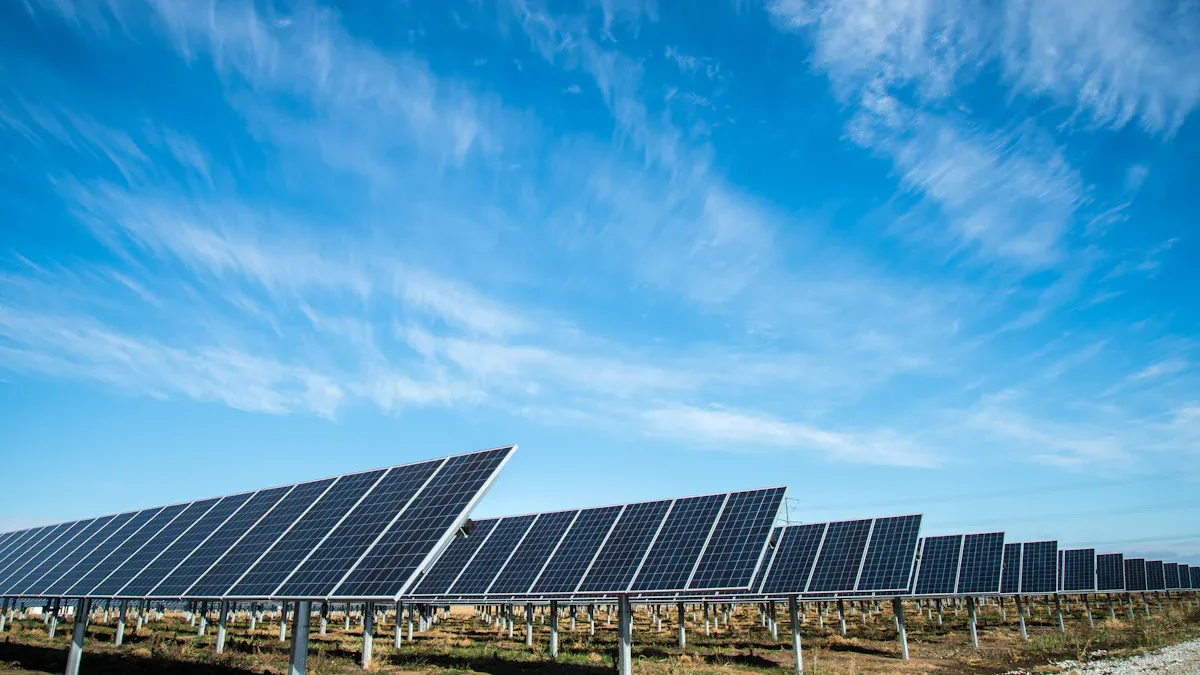

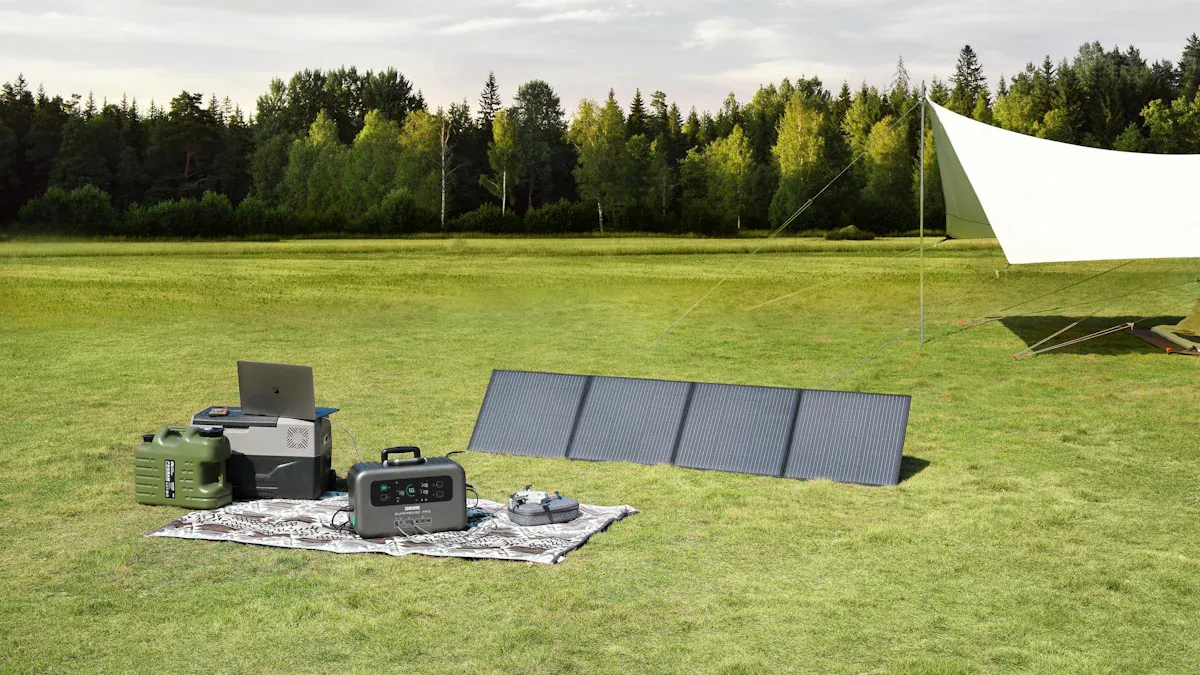

Solving Off-Grid Energy Challenges with Powerwall Technology

Powerwall technology is revolutionizing off-grid living by offering dependable energy storage and seamless integration with renewable systems. Currently, around 15-20% of new residential solar installations in the U.S. include battery storage, with over 200,000 home battery systems installed in 2023. This rapid adoption highlights its role in enabling energy independence and reducing reliance on traditional power sources.
Key Takeaways
- Powerwall helps people live off-grid by storing energy reliably.
- Its smart features, like full energy use and great efficiency, make it work well with little wasted power.
- To set up a Powerwall, you check energy needs, get permits, and hire experts to install it.
Features and Benefits of Powerwall Technology
Advanced Energy Storage Capabilities
Powerwall technology delivers cutting-edge energy storage solutions that redefine efficiency and reliability. Its advanced features ensure optimal performance for off-grid systems.
- Storage Capacity: With a capacity of 13.5 kWh, the Powerwall 3 can power an average home overnight, meeting essential energy needs.
- Depth of Discharge: The system allows 100% depth of discharge, enabling users to fully utilize stored energy without compromising battery lifespan.
- Power Output: Continuous output of 11.5 kW and peak output of 22 kW make it suitable for heavy-duty appliances, ensuring uninterrupted operation.
- Energy Efficiency: Achieving a round-trip efficiency of 99%, the Powerwall minimizes energy loss during storage and retrieval.
- Thermal Management: Its advanced thermal management system ensures reliable performance across varying temperatures.
- Smart Grid Interaction: The system stores energy during off-peak hours and provides instant backup power during outages, enhancing energy independence.
These features make the Powerwall a versatile and dependable choice for off-grid energy storage.
Multi-Mode Operation for Flexibility
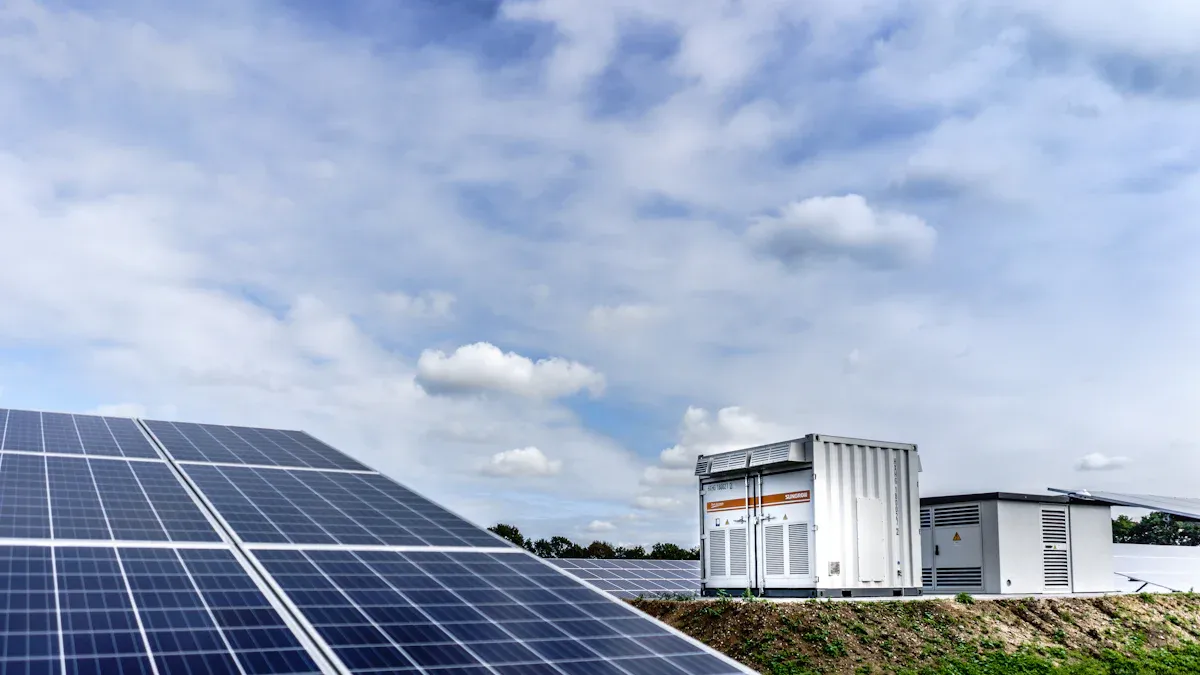
The Reliable Solar Off-Grid Power Wall 45KWH introduces multi-mode operation, offering unmatched adaptability for diverse energy needs.
- Pure Solar Mode: This mode exclusively harnesses solar energy, making it ideal for off-grid applications. It supports users in remote locations or those seeking complete energy independence.
- Grid Complementary Mode: Seamless integration with the utility grid ensures stable power supply during low solar production periods, such as cloudy days or nighttime. Excess solar energy is stored for later use, optimizing cost-efficiency.
- Energy Storage Backup Mode: During grid outages, this mode activates instantly, providing uninterrupted power from stored reserves. Essential loads remain operational, offering peace of mind during emergencies.
The multi-mode operation system enhances flexibility, allowing users to tailor their energy management to specific requirements.
Safety and Reliability Features
Safety remains a cornerstone of Powerwall technology. The Reliable Solar Off-Grid Power Wall incorporates robust protection mechanisms to ensure secure operation.
Key Safety Features:
- Overcharge and overdischarge protection prevent damage to the battery system.
- Short circuit and overload protections safeguard connected equipment.
- Lithium iron phosphate batteries offer a lifespan of up to 5,000 cycles, ensuring long-term reliability.
The system also includes a UPS function, guaranteeing uninterrupted power during outages. Its advanced design prioritizes user safety while delivering dependable energy solutions.
Addressing Off-Grid Energy Challenges

Overcoming Energy Storage Limitations
Energy storage has long been a bottleneck for off-grid systems. Traditional batteries often fail to meet the demands of modern energy consumption due to limited capacity and inefficiency. Powerwall technology addresses these limitations with advanced lithium-ion batteries, which dominate 90% of the grid storage market. This dominance reflects their reliability and efficiency, making them ideal for off-grid applications.
The Reliable Solar Off-Grid Power Wall 45KWH exemplifies this innovation. Its 45 kWh capacity and 5,000-cycle lifespan ensure long-term performance. The system’s ability to operate in extreme temperatures, ranging from -20°C to 40°C, further enhances its suitability for diverse environments. These features allow users to store and utilize energy effectively, even in remote locations.
A statistical study highlights the technological superiority of lithium-ion batteries in energy storage solutions:
| Key Findings | Implications for Powerwall Technology |
|---|---|
| Lithium-ion batteries hold a 90% market share in grid storage. | Indicates strong market dominance, suggesting reliability for off-grid applications. |
| Technological superiority is crucial for market success. | Highlights the importance of advanced technology in powerwall solutions. |
| The BWM method predicts technology success effectively. | Validates the use of BWM for assessing powerwall technology viability. |
These advancements ensure that powerwall systems overcome traditional energy storage challenges, providing a dependable solution for off-grid living.
Ensuring Reliable Power Supply
Reliability is critical for off-grid energy systems, where power outages can disrupt daily life. Powerwall technology ensures a consistent power supply through its multi-mode operation and robust backup capabilities. The Reliable Solar Off-Grid Power Wall, for instance, instantly activates its energy storage backup mode during outages. This feature guarantees uninterrupted power for essential appliances, offering peace of mind to users.
Research data further underscores the reliability of powerwall systems. A study analyzing daily power output over a year demonstrates their ability to maintain consistent energy supply:
| Metric | Value |
|---|---|
| Count | 365 days |
| Mean (Average) | 3.253 kWh |
| Standard Deviation | 21.457 kWh |
| Minimum | -119.130 kWh |
| 25th Percentile | -8.430 kWh |
| Median (50th Percentile) | 4.890 kWh |
| 75th Percentile | 17.610 kWh |
| Maximum | 46.450 kWh |
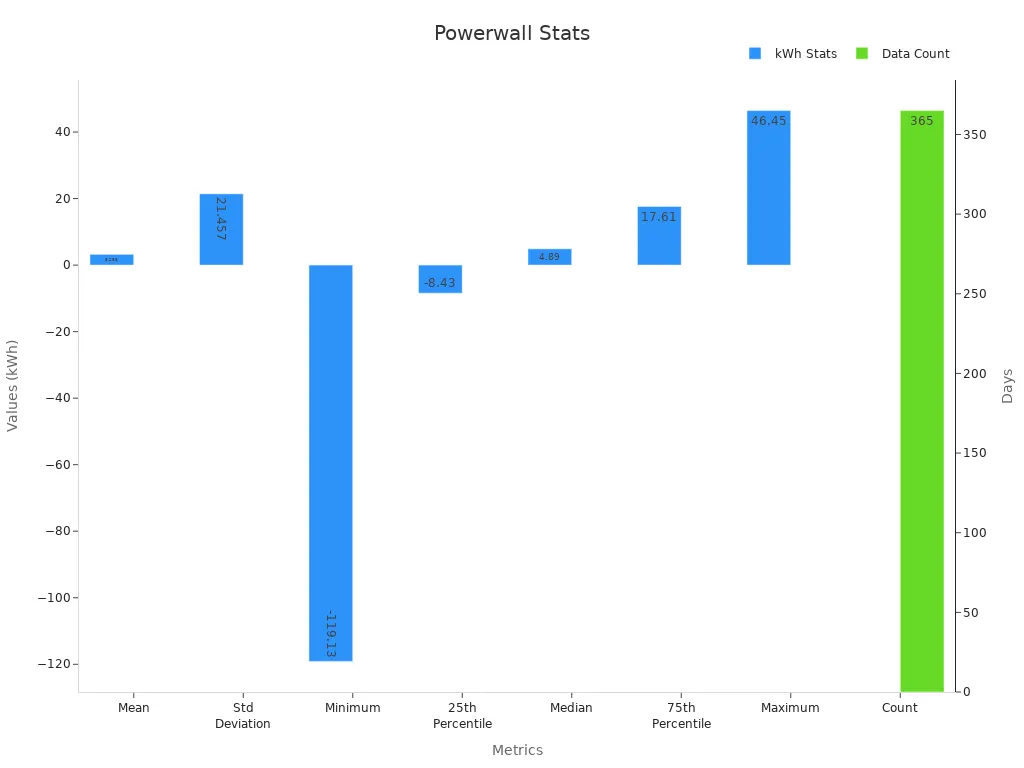
This data highlights the system’s ability to handle fluctuations in energy demand while maintaining stability. By integrating advanced energy management features, powerwall systems ensure reliable power supply for off-grid users.
Promoting Sustainability and Environmental Efficiency
Sustainability is a cornerstone of off-grid energy solutions. Powerwall technology promotes environmental efficiency by maximizing the use of renewable energy sources. The Reliable Solar Off-Grid Power Wall operates in pure solar mode, harnessing solar energy exclusively. This mode reduces reliance on fossil fuels, lowering carbon emissions and contributing to a greener future.
The system’s high energy conversion efficiency further enhances sustainability. By minimizing energy waste, it optimizes the utilization of solar resources. Additionally, the use of lithium iron phosphate batteries, known for their eco-friendly properties, aligns with global efforts to reduce environmental impact.
Powerwall systems also support grid stability by storing excess solar energy for later use. This feature not only benefits individual users but also contributes to broader energy efficiency goals. By integrating these technologies, powerwall solutions empower users to adopt sustainable practices while achieving energy independence.
Practical Applications of Powerwall in Off-Grid Systems

Real-World Examples of Off-Grid Powerwall Setups
Powerwall systems have transformed off-grid living by enabling energy independence and sustainability. Real-world examples highlight their effectiveness in diverse scenarios:
- The Smith family installed a Powerwall 2 to power their home for approximately 12 hours during nighttime.
- The Johnsons utilized two Powerwall 2 units to maintain essential appliances for up to two days during outages.
- The Andersons, living entirely off-grid, deployed three Powerwall 2 units to store surplus energy from renewable sources, ensuring a steady supply during low production periods.
In Aotearoa-New Zealand, isolated communities have successfully implemented off-grid microgrids powered by renewable energy. These setups demonstrate the reliability of powerwall systems in remote areas. Research on microgrid sizing further supports their ability to provide consistent power, even in challenging environments.
Steps to Implement Powerwall for Off-Grid Use
Implementing a powerwall system for off-grid use involves several key steps:
- Assess Energy Needs: Calculate daily energy consumption and peak power requirements to determine the number of powerwall units needed.
- Obtain Necessary Approvals: Secure approval from the local utility company to ensure compliance with regulations.
- Design the System: Consider the capacity of the existing grid or renewable energy sources to avoid installation complications.
- Install the Powerwall: Work with certified professionals to install the system efficiently. A single powerwall simplifies the process, reducing costs and time.
- Test the System: Simulate a power outage to evaluate the system's performance under real conditions.
The Isle of Eigg Brewery in Europe exemplifies a successful off-grid powerwall installation. Its microgrid relies on renewable energy for 95% of its power, showcasing the potential for sustainable living in remote locations.
Powerwall technology offers a transformative solution to off-grid energy challenges. It combines efficient energy storage, reliable backup power, and sustainable practices to meet diverse energy needs. The following table highlights its effectiveness and environmental benefits:
| Evidence Type | Description |
|---|---|
| Efficient Energy Storage | Minimizes energy waste by storing excess energy generated from renewable sources. |
| Peak Demand Management | Reduces reliance on fossil fuels during peak times, leading to cost savings and environmental benefits. |
| Increased Use of Renewable Energy | Promotes higher utilization of clean energy sources, enhancing grid stability and reducing environmental impact. |
| Backup Power for Essential Services | Provides backup power during outages, reducing reliance on fossil fuel generators and carbon emissions. |
| Reduced Carbon Footprint | Contributes to a lower carbon footprint by enhancing energy efficiency and increasing renewable energy use. |
| Advanced Energy Management | Optimizes energy use based on real-time data, promoting informed decisions for sustainability. |
By adopting powerwall solutions, users can achieve energy independence while significantly reducing their environmental impact. This technology empowers individuals to create reliable and efficient off-grid energy systems tailored to their needs.
FAQ
What is the lifespan of the Reliable Solar Off-Grid Power Wall 45KWH?
The Reliable Solar Off-Grid Power Wall offers a lifespan of up to 5,000 cycles, ensuring long-term performance and reliability for off-grid energy systems.
Can the Power Wall operate in extreme weather conditions?
Yes, it functions effectively within a temperature range of -20°C to 40°C, making it suitable for diverse climates and remote locations.
How does the system ensure safety during operation?
The system includes overcharge, overdischarge, short circuit, and overload protections. These features safeguard both the battery and connected appliances, ensuring secure operation.