
 Mobile Generator




Solving Peak Demand Challenges with 100kW Commercial-Energy Storage
You can solve peak demand challenges with a 100kW commercial-energy storage system. This solution lets you store electricity when prices are low and use it during expensive peak hours. You save money and keep your operations running smoothly, even when the grid is stressed. Many businesses see lower energy bills and better reliability. If you face high demand charges, this system gives you control over your energy use and costs.
Key Takeaways
- A 100kW commercial-energy storage system helps businesses lower peak demand charges by storing electricity when prices are low and using it during expensive peak hours.
- Demand charges can make up a large part of your energy bill, so managing peak usage with energy storage can save you 15-20% annually.
- The system uses smart controls to monitor energy use in real time and automatically supplies stored energy to reduce costly spikes without changing your daily routine.
- Pairing energy storage with solar panels increases savings by storing extra solar power for later use, reducing reliance on the grid and lowering your carbon footprint.
- Working with energy experts and following local rules ensures smooth installation, compliance, and maximum benefits from your energy storage system.
Commercial-Energy Storage and Peak Demand Solutions

What Is Peak Demand for Commercial Users
You may notice that your business uses more electricity at certain times of the day. This period is called peak demand. Peak demand happens when many machines, lights, or equipment run at the same time. For example, you might see peak demand in the afternoon when your factory or office is busiest. Utilities track these times closely. They charge higher rates when your energy use spikes.
Peak demand is important because it shows the highest amount of electricity your business needs at one time. Utilities must supply enough power for everyone, even during these busy periods. If your business has high peak demand, you pay more for electricity, even if you use less energy at other times.
Tip: Track your energy use during the day. You can find out when your peak demand happens and plan ways to lower it.
Why Peak Demand Impacts Business Costs
Peak demand affects your energy bill in a big way. Utilities add special charges, called demand charges, to your bill. These charges depend on your highest energy use during the month, not just your total use. Even a short spike can raise your costs for the whole billing cycle.
Here are some reasons why peak demand increases your costs:
- Utilities need extra resources to meet high demand.
- They build and maintain bigger power plants for these times.
- You pay for the extra strain your business puts on the grid.
A commercial-energy storage system helps you control these costs. You store energy when prices are low and use it during peak times. This strategy lowers your peak demand and reduces your bill.
Demand Charges and Their Effect on Commercial-Energy Bills
How Demand Charges Are Calculated
You may wonder why your electricity bill has extra charges. These extra costs come from demand charges. Utilities use a special method to calculate them. They look at your highest level of electricity use during a set period, often 15 or 30 minutes, in the billing cycle. This peak usage sets your demand charge for the month.
Here is a simple way to understand it:
- The utility tracks your energy use every few minutes.
- They find the highest point of use in that month.
- They multiply this peak by a set rate, called the demand rate.
For example, if your peak demand is 100 kilowatts and the demand rate is $15 per kilowatt, your demand charge for that month is $1,500.
This charge is separate from your regular energy use. Even if you use less energy overall, one short spike can raise your bill.
Financial Impact on Commercial Facilities
Demand charges can make up a large part of your total bill. In some cases, they account for 30% to 70% of the monthly cost for commercial-energy users. These charges can surprise you if you do not track your peak usage.
| Example Facility Type | Typical Demand Charge Share of Bill |
|---|---|
| Office Building | 30% |
| Manufacturing Plant | 50% |
| Data Center | 70% |
You can lower these costs by managing when and how you use electricity. A commercial-energy storage system helps you avoid high peaks. You store energy when demand is low and use it during busy times. This strategy keeps your bills steady and helps you plan your budget.
Tip: Review your utility bill each month. Look for the demand charge line. This will help you see how much you pay for peak demand.
100kW Commercial-Energy Storage for Peak Shaving and Load Shifting
How the 100kW System Works
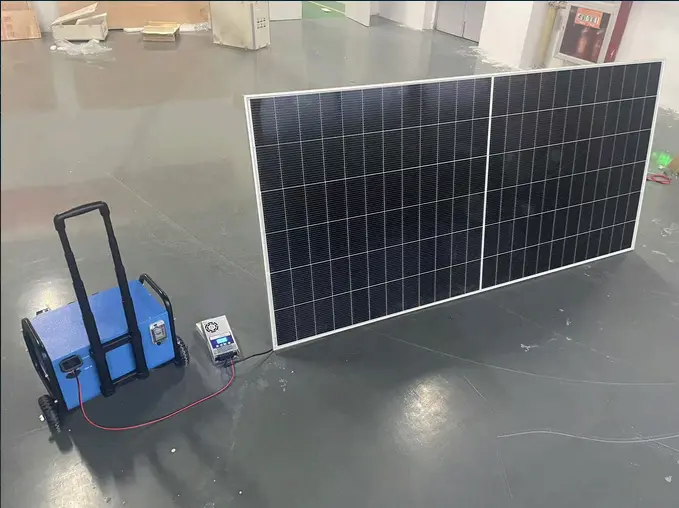
You can use the 100kW Industrial and Commercial Energy Storage System to manage your energy use more wisely. This system stores electricity when prices are low, often at night or during off-peak hours. When your business needs more power during the day, the system releases the stored energy. This process is called peak shaving.
The system uses smart controls to track your energy use in real time. It knows when your demand is about to spike. When that happens, the system supplies extra power from its batteries. You avoid drawing expensive electricity from the grid during peak times.
Here is a simple way to see how the system works:
- The system charges its batteries when energy costs are low.
- It monitors your facility’s energy use every minute.
- When your demand rises, the system discharges stored energy to cover the extra load.
- You use less grid power during peak hours, so you pay less in demand charges.
Tip: You can set the system to work automatically. It will always look for the best times to charge and discharge, so you do not have to worry about it.
Real-World Examples of Peak Shaving
Many businesses use energy storage to lower their peak demand. Here are some examples:
- A medium-sized factory runs heavy machines in the afternoon. The 100kW system stores energy overnight. When the machines start, the system supplies extra power. The factory avoids a big spike in grid use.
- An office building uses air conditioning on hot days. The system charges in the morning. In the afternoon, it helps run the AC units. The building keeps cool without paying high demand charges.
- A commercial complex has many shops and restaurants. The system stores energy during quiet hours. At lunchtime, when everyone uses more power, the system steps in. The complex keeps its energy bill steady.
These examples show how you can use the 100kW system to control your energy costs. You do not need to change your daily routine. The system works in the background to help you save money.
Economic and Operational Benefits
You gain many benefits when you use a 100kW commercial-energy storage system. Here are some of the most important:
- Lower Energy Bills: You avoid high demand charges by using stored energy during peak times. Many businesses save 15-20% on their annual energy costs.
- Better Budget Planning: Your bills become more predictable. You know what to expect each month.
- Improved Reliability: The system provides backup power during grid outages. Your operations keep running, even if the grid fails.
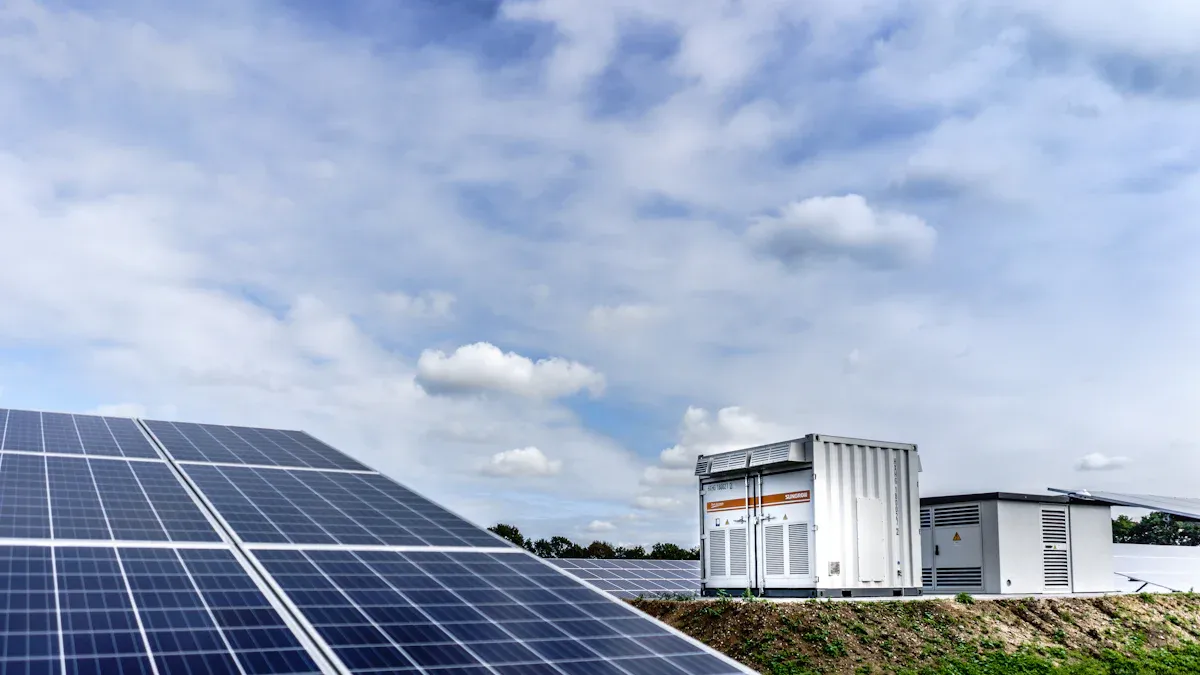
- Easy Integration: You can add the system to your current setup. It works well with solar panels and other renewable sources.
- Support for Sustainability: You use more clean energy and reduce your carbon footprint.
Note: The system’s modular design means you can expand it as your business grows. You can start small and add more storage later.
A 100kW energy storage system gives you control over your energy use. You save money, protect your business from outages, and support a cleaner environment.
Integrating Commercial-Energy Storage with Solar and Smart Technologies
Combining Storage with Solar for Greater Savings
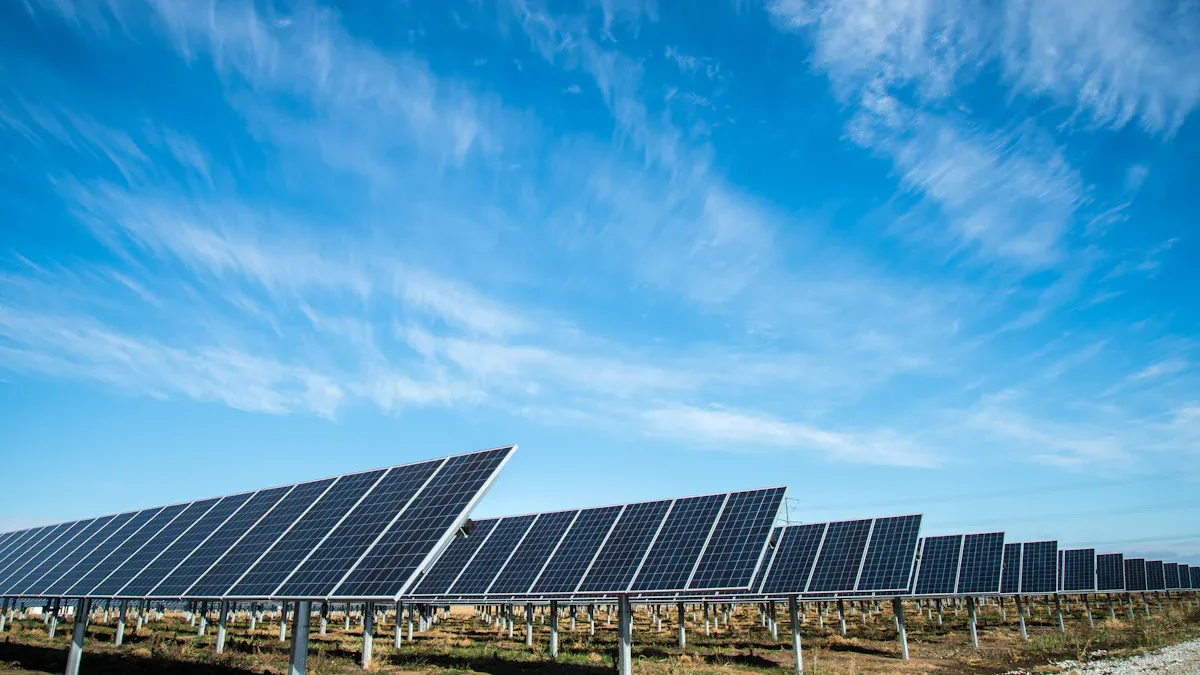
You can boost your savings by pairing your energy storage system with solar panels. Solar panels collect energy from the sun during the day. Sometimes, your building does not use all the solar power right away. The 100kW storage system saves this extra energy for later. When your business needs more power, you can use the stored solar energy instead of buying expensive electricity from the grid.
This setup helps you use more clean energy and less fossil fuel. You lower your energy bills and reduce your carbon footprint at the same time. Many businesses see the biggest savings when they combine solar with storage. You get the most value from your solar panels and make your energy use more flexible.
Tip: Check if your utility offers special programs for businesses that use both solar and storage. These programs can help you save even more.
Role of Smart Controls and Energy Management
Smart controls make your energy system work better. The 100kW system uses advanced software to watch your energy use every minute. It learns when your business uses the most power. The system then decides the best times to charge and discharge the batteries.
You do not have to guess when to use stored energy. The smart controls handle it for you. This technology helps you avoid high demand charges and keeps your operations running smoothly. You can also track your energy use with easy-to-read dashboards. These tools help you spot trends and find new ways to save.
A commercial-energy storage system with smart controls gives you more control over your energy costs. You can plan better and make smarter choices for your business.
Regulatory and Utility Considerations for Commercial-Energy Storage
Utility Incentives and Programs
You can lower the cost of your energy storage system by taking advantage of utility incentives and programs. Many utilities want businesses to use energy storage because it helps balance the grid. They offer special rebates, grants, or reduced rates to encourage you to install these systems.
Here are some common types of incentives you might find:
- Rebates: Utilities may give you money back after you install your system.
- Performance Payments: Some programs pay you for using your storage system during certain times, like when the grid is under stress.
- Time-of-Use Rates: You can save money by charging your system when rates are low and using stored energy when rates are high.
💡 Tip: Check your local utility’s website or call their customer service. Ask about current programs for commercial energy storage. These incentives can change often, so stay updated.
You can also look for state or federal programs that support clean energy projects. These programs can help you reduce your upfront costs and speed up your return on investment.
Compliance and Interconnection Requirements
You must follow certain rules when you install a commercial energy storage system. Utilities and local governments set these rules to keep the grid safe and reliable. You need to make sure your system meets all requirements before you turn it on.
Key steps include:
- Permitting: You must get the right permits from your city or county.
- Interconnection: Your system must connect safely to the utility grid. The utility will review your plans and may inspect your installation.
- Safety Standards: Your system must meet national and local safety codes.
| Requirement | Who Sets It | Why It Matters |
|---|---|---|
| Permitting | Local Government | Ensures safe installation |
| Interconnection | Utility Company | Protects the grid |
| Safety Standards | National/Local | Keeps people safe |
⚠️ Note: Start the compliance process early. This helps you avoid delays and extra costs. Work with experts who know the rules in your area.
By following these steps, you make sure your energy storage system works well and meets all legal requirements.
Steps to Implement 100kW Commercial-Energy Storage
Assessing Facility Needs and Energy Usage
You start by understanding how your facility uses energy. Look at your electricity bills from the past year. Find out when your energy use is highest. This helps you see your peak demand times. You can use energy monitoring tools to track your usage in real time. These tools show you patterns and help you spot areas where you can save.
Tip: Make a simple chart to record your daily and monthly energy peaks. This makes it easier to share information with your team or an energy expert.
Ask yourself these questions:
- When does your facility use the most power?
- Which equipment or processes cause spikes?
- How much energy do you use during off-peak hours?
Knowing these answers helps you plan for the right storage size and setup.
Selecting the Right Storage Solution
You need to choose a storage system that matches your needs. The 100kW Industrial and Commercial Energy Storage System works well for medium-sized businesses. It stores enough energy to cover most peak demand events. You should check if your facility might grow soon. If so, look for a system with a modular design. This lets you add more storage later.
| Factor | Why It Matters |
|---|---|
| Storage Capacity | Covers your peak demand |
| Modularity | Allows for future expansion |
| Integration | Works with solar or other tech |
Note: Always compare features like battery life, warranty, and smart controls before you decide.
Working with Commercial-Energy Experts
You do not have to do this alone. Energy experts help you at every step. They review your energy data and suggest the best system for your needs. They also handle permits and make sure your system meets all rules. Experts can train your staff and provide support after installation.
- Schedule a site visit with an expert.
- Share your energy data and goals.
- Ask questions about installation, maintenance, and upgrades.
Working with professionals saves you time and helps you avoid costly mistakes. You get a system that fits your business and delivers real savings.
You can solve peak demand challenges with a 100kW commercial-energy storage system. This solution helps you lower energy bills, improve reliability, and support your sustainability goals. You start by checking your energy use, choosing the right system, and working with experts.
Tip: Explore energy storage now to save money and make your business more resilient for the future.
FAQ
How much can you save with a 100kW commercial-energy storage system?
You can save about 15-20% on your annual energy bills. The system helps you avoid high demand charges and use cheaper electricity during off-peak hours.
Is the 100kW system hard to install in your business?
Most businesses find installation simple. The modular design fits many building types. Energy experts handle setup and make sure everything meets safety rules.
Can you use the storage system with solar panels?
Yes, you can connect the 100kW system to solar panels. The system stores extra solar energy for later use. This setup helps you use more clean energy and lower your costs.
What kind of maintenance does the system need?
You need only basic maintenance. The system checks itself and alerts you if something needs attention. Regular inspections by professionals keep it running smoothly.