
 Mobile Generator





Understanding the Financial Benefits of Solar Energy in 2025
Are you curious about how much you can save on your electricity bill with solar power? Many homeowners report savings of 50% or more! Your savings depend on factors like system size, energy consumption, and local electricity rates. Plus, 2025 is pivotal due to upcoming changes in incentives and technology that could maximize your benefits.
Key Takeaways
- Switching to solar power can reduce your electricity bills by 50% or more, depending on your system size and energy consumption.
- Understanding local electricity rates and available incentives can maximize your savings when investing in solar energy.
- Consider financing options like solar loans or leases to manage upfront costs while still enjoying long-term savings.
Mechanics of Solar Power Savings
System Size and Capacity
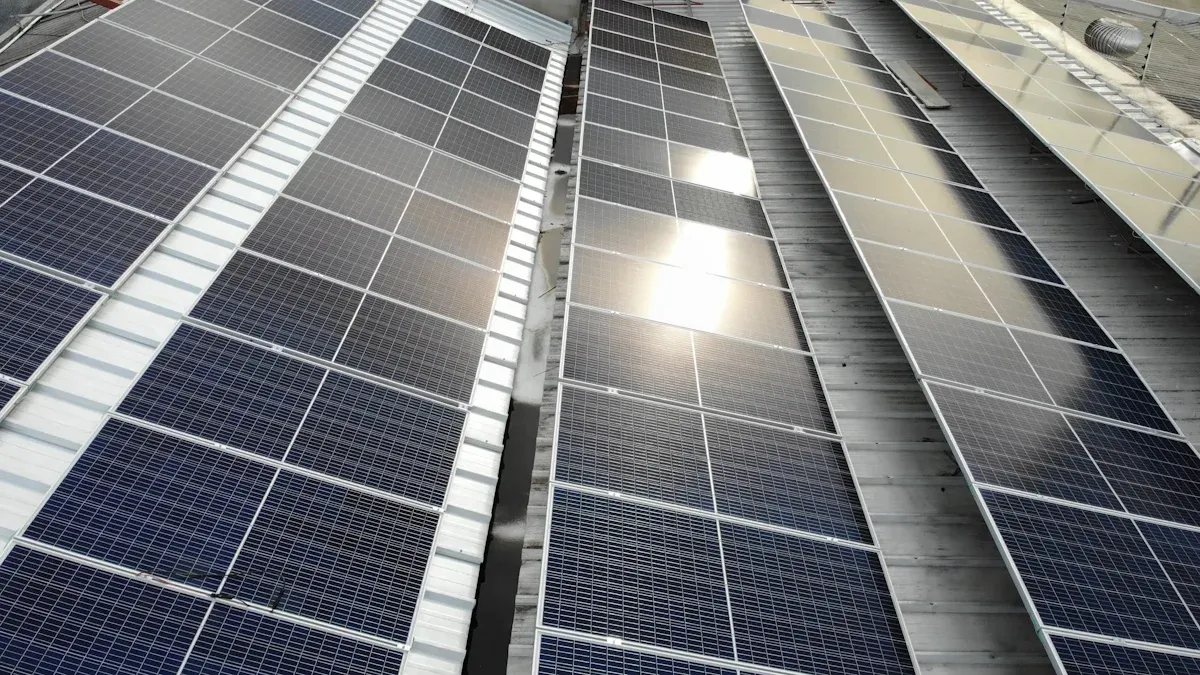
When you think about solar power, the size of your system plays a big role in how much you can save. A larger system can generate more electricity, which means you can offset more of your energy costs. Here are some key points to consider:
- Roof Space: Do you have enough roof space for solar panels? More panels mean more energy production.
- Energy Needs: How much energy do you use? If you consume a lot, you might need a bigger system to meet your needs.
- Panel Efficiency: Not all solar panels are created equal. Higher efficiency panels can produce more energy in less space.
Energy Consumption Patterns
Your energy habits directly impact your savings with solar power. Understanding your consumption patterns can help you maximize your benefits. Here are some things to think about:
- Peak Usage Times: When do you use the most energy? If you use a lot during the day, your solar system can help you save more.
- Seasonal Variations: Do you use more energy in summer or winter? Knowing this can help you size your system appropriately.
- Energy Efficiency: Are you using energy-efficient appliances? The less energy you use, the more savings you’ll see from your solar power system.
Local Electricity Rates
Local electricity rates can significantly affect your savings. If you live in an area with high electricity rates, switching to solar power can lead to substantial savings. Here’s why:
- Rate Structure: Understand how your utility company charges for electricity. Some areas have time-of-use rates, which can make solar power even more beneficial.
- Future Rate Increases: Electricity rates tend to rise over time. By investing in solar power now, you can lock in your energy costs and protect yourself from future increases.
- Net Metering: Check if your state offers net metering. This allows you to sell excess energy back to the grid, further increasing your savings.
By considering these factors, you can better understand how solar power can work for you and maximize your savings.
Financing Options for Solar Power
When you consider going solar, financing options can feel overwhelming. However, understanding your choices can help you make the best decision for your budget. Let’s break down the key aspects of financing solar power.
Upfront Costs vs. Long-term Savings
You might wonder about the initial costs of installing solar panels. Yes, the upfront investment can be significant. However, think about the long-term savings. Here’s what you should know:
- Initial Investment: Installing a solar power system can cost anywhere from $15,000 to $30,000, depending on the size and type of system.
- Monthly Savings: Many homeowners see their electricity bills drop by 50% or more. Over time, these savings can add up to thousands of dollars.
- Payback Period: Typically, you can expect to recoup your investment within 5 to 10 years. After that, you’ll enjoy free electricity for the lifespan of your system, which is usually 25 years or more.
Tip: Always calculate your potential savings against the upfront costs. This will give you a clearer picture of your financial benefits.
Loan and Lease Options
If the upfront costs seem daunting, don’t worry! You have several financing options to consider:
- Solar Loans: These loans allow you to pay for your solar system over time. You own the system, which means you can take advantage of tax credits and rebates.
- Solar Leases: With a lease, you pay a fixed monthly fee to use the solar system. The solar company owns the system, so you won’t benefit from tax incentives, but you’ll still save on your electricity bill.
- Power Purchase Agreements (PPAs): Similar to leases, PPAs let you pay for the power generated by the solar system at a set rate. This rate is usually lower than your local utility rates.
Each option has its pros and cons, so consider your financial situation and long-term goals before deciding.
Return on Investment (ROI)
Calculating your return on investment is crucial when considering solar power. Here’s how to evaluate it:
- Cost Savings: Start by estimating how much you’ll save on your electricity bills each month. Multiply that by the number of months you expect to benefit from the system.
- Incentives: Factor in any federal or state tax credits, rebates, or incentives. These can significantly boost your ROI.
- Increased Home Value: Studies show that homes with solar power systems sell for more than those without. This increase in property value can enhance your overall ROI.
To sum it up, investing in solar power can lead to substantial long-term savings. By understanding your financing options and calculating your ROI, you can make an informed decision that benefits your wallet and the environment.
Incentives and Government Programs for Solar Power
Federal Tax Credits
One of the biggest financial perks of going solar is the federal tax credit. You can claim a percentage of your solar installation costs on your federal tax return. This means you can save thousands of dollars right off the bat! For 2025, the federal tax credit is set to remain at 26%, so now's a great time to consider making the switch.
State and Local Incentives
Many states offer their own incentives to encourage solar energy use. These can include cash rebates, property tax exemptions, or even sales tax exemptions on solar equipment. Check with your state’s energy office to see what’s available. You might be surprised by how much you can save!
- Examples of State Incentives:
- Cash rebates for solar installations
- Property tax exemptions for solar systems
- Sales tax exemptions on solar equipment
Utility Rebates and Programs
Your local utility company may also have programs to support solar power. Some utilities offer rebates for installing solar panels, while others provide performance-based incentives. These programs can help you save even more on your investment.
Tip: Always ask your utility provider about available rebates and programs. You might find additional savings that can make solar power even more affordable!
By taking advantage of these incentives and programs, you can significantly reduce the cost of your solar power system. It’s worth doing your homework to maximize your savings!
Real-life Examples of Solar Power Savings
Case Study: Average Savings for Homeowners
Let’s look at how homeowners benefit from solar power. Imagine you install a solar system that costs around $20,000. After applying federal tax credits and local incentives, your net cost drops to about $14,000. With an average monthly electricity bill of $150, you could save around $75 each month. Over 25 years, that adds up to a whopping $22,500 in savings!
Here’s a quick breakdown:
- Initial Cost: $20,000
- Net Cost After Incentives: $14,000
- Monthly Savings: $75
- Total Savings Over 25 Years: $22,500
This example shows how investing in solar power can lead to significant savings for homeowners.
Case Study: Commercial Solar Power Savings
Now, let’s consider a small business that decides to go solar. They invest $50,000 in a solar system. After tax credits, their cost reduces to $37,000. If their monthly electricity bill is $500, they could save about $250 each month. Over 25 years, that’s an incredible $75,000 in savings!
Here’s how it looks:
- Initial Cost: $50,000
- Net Cost After Incentives: $37,000
- Monthly Savings: $250
- Total Savings Over 25 Years: $75,000
These real-life examples illustrate the financial benefits of solar power for both homeowners and businesses. By making the switch, you can enjoy substantial savings while contributing to a greener planet.
In summary, switching to solar power can lead to significant savings on your energy bills. Understanding your energy needs is crucial. 🌞 Explore your solar options today to unlock financial benefits and contribute to a sustainable future. You might be surprised by how much you can save!
FAQ
What are the main benefits of switching to solar energy?
Switching to solar energy can lower your electricity bills, increase your home value, and reduce your carbon footprint.
How long does it take to install solar panels?
Typically, installing solar panels takes one to three days, depending on the system size and complexity.
Can I still save money if I live in a cloudy area?
Yes! Solar panels can still generate energy on cloudy days. You’ll save money over time, even in less sunny regions.