How to Choose the Best Portable EV Station for Your Needs?
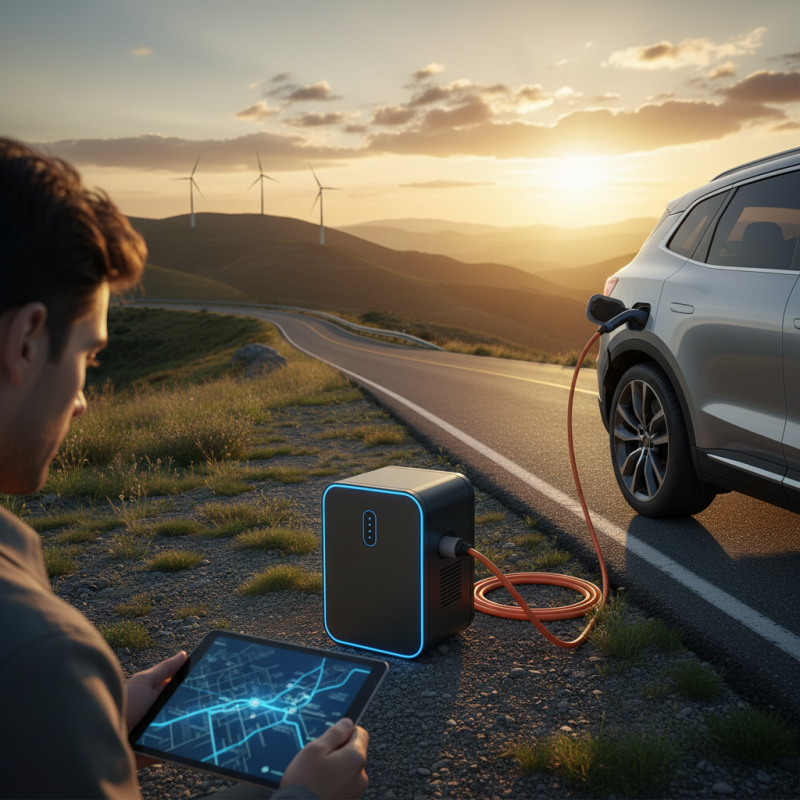
Choosing the right Portable EV Station can significantly enhance your electric vehicle experience. With many options available, it's essential to evaluate your specific needs. A Portable EV Station offers convenience and flexibility, allowing you to charge your vehicle anywhere.
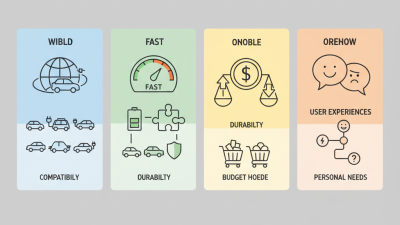
Different models come with varying charging speeds and compatibility. It's crucial to consider your vehicle’s requirements before making a selection. Think about where you typically charge. Is it at home, in a parking lot, or while traveling? Each scenario requires a different approach.
Moreover, reliability is key. Investing in a trusted brand ensures safety and efficiency. However, balancing cost and features can be challenging. You may find yourself drawn to features that seem appealing but are unnecessary for your daily use. Reflecting on your own charging habits can help clarify what you truly need.
Understanding Your EV Charging Needs
Understanding your EV charging needs is crucial for selecting a portable EV station. Different users have varying charging requirements based on lifestyle, vehicle type, and usage patterns. For instance, a daily commuter may need a faster charging option for short trips.
On the other hand, a weekend traveler might prioritize a station that's compact and easy to transport.
Assessing your daily driving habits is the first step. Take note of how far you drive regularly. This helps you determine the charging speed you require. If you often run errands within a small radius, a lower power output may suffice. In contrast, frequent long trips necessitate a more powerful station to minimize downtime.
Consider your available charging infrastructure at home or work too. Are you equipped to handle high-voltage charging? Not everyone has that luxury. It’s worth reflecting on whether you have the right setup. Otherwise, incompatibilities may lead to frustration. Prioritize reliability and user-friendly features in your portable EV station. Find one that aligns with your specific needs, even if it takes some time to figure it out.
Types of Portable EV Charging Stations
When looking for a portable EV charging station, understanding the types available can significantly impact your choice. Two primary categories are
Level 1 and Level 2 chargers.
Level 1 chargers use a standard household outlet and provide around 4-5 miles of range per hour. They are ideal for overnight charging at home, but they can be slow for quick needs.
On the other hand, Level 2 chargers require a dedicated circuit and can deliver between 10 to 60 miles of range per hour, depending on the power supply. They are perfect for usage in public charging stations or for home installation if you have a higher demand. However, installation costs can be a consideration for many users.
It’s crucial to reflect on your daily driving habits when choosing a charger. If your driving is mainly local, a Level 1 charger might suffice. Yet, if you frequently take longer trips, investing in a Level 2 charger may be justified. Balancing convenience and cost is key, and that requires honest self-assessment of your needs and usage patterns.
Key Features to Consider in Portable EV Stations
When selecting a portable EV station, key features play a pivotal role. Charging speed is often a primary concern. According to the International Energy Agency, the average EV charger offers around 7.2 kW to 22 kW. Assessing how quickly the station can recharge your vehicle will impact your daily routines. Faster charging units may better suit urban drivers with shorter ranges, while slower models can cater to suburban users with longer charging times.
Portability is another crucial aspect. Weight and size matter greatly, especially for users who need to transport the station frequently. A compact design can make a significant difference in handling. As noted in a recent industry report, the demand for lightweight solutions has risen by 15% this year. Furthermore, battery capacity and durability are worth examining. Look for options that can withstand varied weather conditions, as performance can degrade with extreme temperatures.
Finally, connectivity features can enhance user experience. Many modern stations now offer app connectivity for monitoring charging sessions. A report from the Electric Vehicle Council highlighted that over 60% of users prefer having Bluetooth or Wi-Fi options. However, there are questions surrounding data security in app-linked devices. This uncertainty leads to a need for careful consideration of privacy protocols. Balancing these features against your specific requirements will lead to a more informed decision.
Comparison of Key Features in Portable EV Charging Stations
This chart compares important features of portable EV charging stations, including charging speed, weight for portability, number of outlets, durability (IP rating), and price. Users can consider these aspects when selecting the best portable EV station for their needs.
Evaluating Charging Speed and Efficiency
When selecting a portable EV charging station, charging speed and efficiency are crucial factors to consider. The actual charging speed can vary considerably based on the vehicle's battery capacity, the charger, and the power source. For instance, Level 2 chargers can deliver about 6.6 kW to 19.2 kW of power, allowing faster refueling than traditional Level 1 chargers. According to the U.S. Department of Energy, a Level 2 charger can charge an electric vehicle (EV) in approximately 4 to 8 hours, making it suitable for overnight charging.
Efficiency is another vital aspect. The efficiency of EV chargers can significantly impact overall energy consumption. Research indicates that a typical Level 2 charger achieves around 90% efficiency, minimizing energy waste. However, connecting to a non-optimized outlet can reduce this efficiency. Therefore, it’s essential to assess your home’s electrical system before installation.
Tips: Always check the charger’s power rating. A higher kW rating means less charging time. Keep an eye on local utility incentives, as many programs exist to encourage EV adoption by offering rebates for energy-efficient products. You may also want to reflect on the environmental impact of your charging habits. Balancing speed and sustainability is essential to fully embrace the benefits of electric mobility.
Budget Considerations for Portable EV Charging Solutions
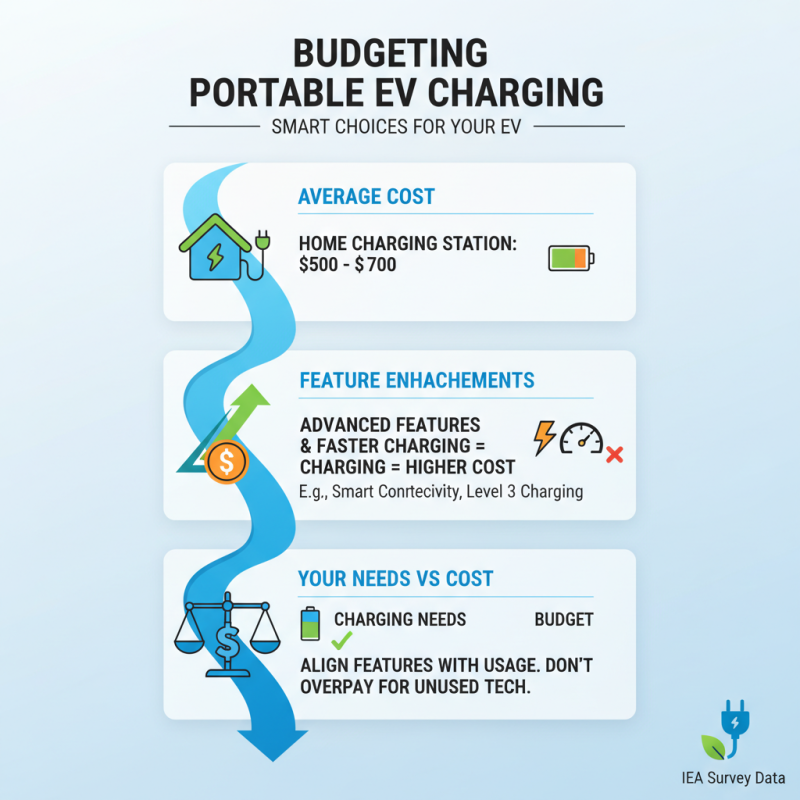
When selecting a portable EV charging station, budget considerations play a crucial role. A survey by the International Energy Agency states the average cost of home charging stations ranges from $500 to $700. This can sharply increase if you opt for advanced features and faster charging capabilities. While high-end models may appeal with their robust features, it’s important to weigh whether these enhancements align with your charging needs.
Tips: Consider your typical daily driving distance. Evaluating how often you recharge can help determine how much power you truly require.
Moreover, the installation cost is another factor. According to the U.S. Department of Energy, installation can run between $300 to $2,000, depending on your home's electrical system. That’s a significant expense that could tilt your budget. Ensure you’re factoring this into your overall spending.
Tips: Research local rebates and incentives. Many states offer financial incentives for EV owners that can reduce your upfront costs significantly.
Be mindful of the portability aspect as well. Models that offer lightweight designs with compact dimensions are often more expensive. However, they provide convenience for those who travel frequently. Balancing convenience with functionality can make a difference in your overall satisfaction.

 Mobile Generator