Top Inverter UPS Solutions for Global Buyers in 2026?
In the rapidly evolving landscape of energy solutions, Inverter UPS systems are gaining importance in 2026. These devices are vital for ensuring uninterruptible power supply, especially in regions facing frequent outages. Their advanced technology enhances reliability and efficiency, attracting global buyers.
The market presents a diverse range of Inverter UPS options that cater to various needs. From small residential units to large industrial systems, choices abound. Buyers are often overwhelmed by the technical specifications. Understanding power capacity, battery life, and surge capabilities is crucial for making informed decisions.
However, not all Inverter UPS solutions meet high standards. Some products may lack long-term reliability or effective customer service. It's essential for buyers to weigh options carefully, considering reviews and expert advice. This careful assessment can help prevent costly mistakes and ensure that the chosen system meets expectations.
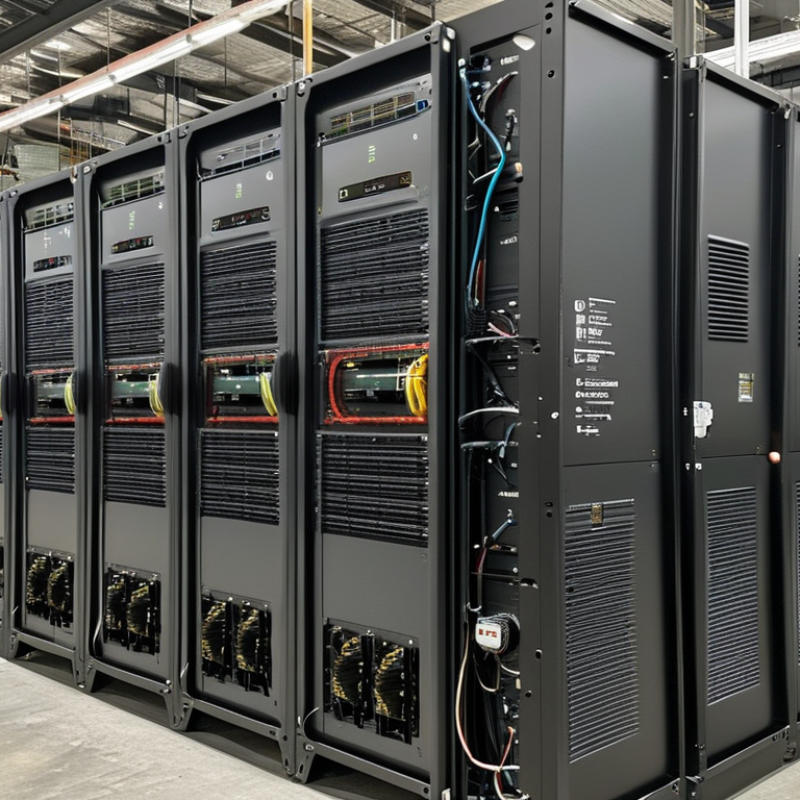
Emerging Trends in Inverter UPS Technology for 2026
As we look towards 2026, inverter UPS technology is evolving rapidly. These advancements focus on efficiency and reliability. Users require systems that can adapt to varying power demands without sacrificing performance. This year, innovations emphasize smarter battery management, allowing for longer life cycles and optimized charging.
Integration of artificial intelligence is another exciting trend. AI offers real-time monitoring of power usage and battery health. This leads to predictive maintenance, minimizing unexpected downtimes. While these advancements seem promising, there is uncertainty about data security. Protecting user information during remote monitoring is a challenge that needs attention.
Sustainability remains a key focus. Manufacturers are exploring eco-friendly materials and recycling methods for batteries. Transitioning to greener solutions aligns with global sustainability goals. However, the cost of these technologies may deter some users. Balancing affordability with innovation is imperative for widespread adoption. It creates a landscape of evolving possibilities and continuous learning in the inverter UPS market.
Key Features to Consider When Choosing an Inverter UPS
When considering inverter UPS solutions, certain key features stand out. Battery runtime is critical. A solid UPS should offer a reliable power source during outages. According to industry reports, about 70% of users prefer a system that can operate for at least 30 minutes during a blackout. This allows businesses to safely shut down operations and protect sensitive equipment.
Another essential feature is the inverter's efficiency rating. Systems with higher efficiencies reduce energy consumption and operational costs. The average inverter UPS efficiency hovers around 93%. However, some top-tier models reach 98%. This difference can significantly impact long-term expenses, especially for larger setups.
Monitoring capabilities add another layer of usability. Users benefit from real-time data on battery health and power usage. A recent survey shows that 65% of companies desire advanced monitoring features. Yet, are these systems intuitive? Many report challenges when navigating complex interfaces. This suggests a need for improvement in user experience design. Good UPS solutions should not only provide power but also simplify management.
Top Brands and Manufacturers Leading the Inverter UPS Market
The inverter UPS market is witnessing significant growth, driven by the need for reliable power solutions. A recent market analysis by industry experts indicates that the global inverter UPS market is projected to reach over $13 billion by 2026. This demand is largely fueled by rising energy consumption and an increasing number of IT installations worldwide.
Key players in this field are continuously innovating. Manufacturers are focusing on efficiency and sustainability, responding to consumer demands for greener solutions. The push for renewable energy sources has further accelerated this drive. However, unexpected supply chain disruptions and fluctuating raw material costs remain challenges. These aspects require vigilant market analysis and adaptable strategies from brands.
Globally recognized manufacturers are integrating advanced technologies into their products. Smart features, such as remote monitoring and seamless switching capabilities, are becoming industry standards. Yet, there are concerns about the consistency of quality across different markets. This variation can impact consumer trust. Industry reports stress that maintaining high standards will be crucial for sustained growth in this sector.
Top Inverter UPS Solutions for Global Buyers in 2026
Comparative Analysis of Inverter UPS Models Available Globally
In 2026, inverter UPS models will be essential for consumers and businesses globally. Key features to consider include battery capacity, output power, and efficiency ratings. Buyers need to evaluate how these aspects meet their specific needs. Higher efficiency means less energy waste, which is beneficial for long-term savings.
Comparing these models reveals varied strengths. Some excel in compact design, ideal for limited spaces. Others offer longer backup durations, critical during power outages. It's important to weigh these factors carefully. Price is another variable that will differ across regions. Consumers should examine cost versus performance to make an informed choice.
Technical support and warranty terms also deserve attention. Reliable customer assistance can significantly affect user experience. Reviewing user feedback can provide insights into real-world performance. Each model has its drawbacks and unique features that require thoughtful consideration before purchasing. Understanding these nuances is vital for making the best choice in the evolving inverter UPS market.
Top Inverter UPS Solutions for Global Buyers in 2026
| Model |
Capacity (kVA) |
Output Voltage (V) |
Battery Type |
Runtime (minutes) |
Efficiency (%) |
Weight (kg) |
| Model A |
10 |
230 |
Li-ion |
30 |
94 |
25 |
| Model B |
5 |
230 |
AGM |
20 |
90 |
15 |
| Model C |
15 |
400 |
Lead Acid |
25 |
92 |
30 |
| Model D |
7.5 |
230 |
Li-ion |
40 |
95 |
20 |
| Model E |
20 |
400 |
Lead Acid |
50 |
88 |
35 |
Sustainability and Efficiency in Inverter UPS Solutions for 2026
The demand for inverter UPS solutions continues to rise as industries focus on sustainability in 2026. According to a recent market research report, the global uninterruptible power supply (UPS) market is projected to reach $12 billion by 2026. As environmental concerns gain traction, manufacturers are seeking energy-efficient designs to reduce carbon footprints.
Sustainability in inverter UPS systems involves integrating advanced technologies. Solutions based on lithium-ion batteries are gaining popularity, offering longer life cycles and less environmental impact. The efficiency of these systems can achieve over 90%. However, not all manufacturers prioritize sustainability equally, and this inconsistency can be challenging for buyers to navigate.
Investing in efficient inverter UPS requires careful consideration. Organizations must assess not only performance but also the sourcing of materials and long-term sustainability. Some suppliers might still rely on traditional, less efficient technologies, highlighting the need for transparent information. Reliable data can guide buyers toward the best choices while promoting a sustainable future.

 Mobile Generator